MACD 2025 Annual Conference
Michigan’s conservation community—together for healthy soil, clean water, resilient forests, and thriving communities.
Stewardship in Changing Times — Building Resilience, Together
Our annual conservation conference is an exciting, multi-day event packed with over 70 insightful speakers, networking opportunities, and time to relax with social activities. The festivities kick off at 12 pm on December 7th with our State Council meeting and Director training.
December 8th opens our general conference with our Partner Luncheon, featuring updates from state and federal agencies. After this opening event, attendees can choose from a variety of specialized tracks — covering topics like invasive species, district management, agriculture, innovative conservation technology, improving your soft skills, and more.
After attending your sessions each day, enjoy a break browsing the silent auction or visiting exhibitors before our evening social hour and networking opportunities.
This conference is a can't-miss opportunity to gain valuable industry insights, make new connections, and get recharged for the year ahead. Register now to secure your spot at this premier conservation event. Every registration supports our mission of providing support for Conservation Districts throughout Michigan. Together we can lead the future of conservation!
Agenda
Sunday, December 7, 2025
Discussion of ongoing State Council initiatives, review of current priorities, and preparation for the week’s sessions. This meeting will include updates from leadership and time for questions.
Speakers: Rivka Hodgkinson, Jerry Miller (State Council Members)
An informal opportunity for State Council members and district directors to connect, reflect on the day’s discussions, and build relationships that support collaboration throughout the conference.
Introductory training for new and returning district directors, covering governance basics, statutory responsibilities, and practical tools for effective leadership on conservation district boards.
Speakers: Rivka Hodgkinson, Steve Law, John Switzer
Monday, December 8, 2025
The annual MACD business meeting, including board and officer elections, review of organizational business items, and updates from leadership. District directors and State Council members will help guide the direction of MACD for the coming year.
Speakers: Rivka Hodgkinson, Jerry Miller
Exhibitors and sponsors arrive to set up their booths and displays along the Promenade prior to the start of conference activities.
Conference registration and check-in for all attendees.
Join in for our very own version of a TED Talk! Hear from Conservation Technicians who have excelled in different areas in their roles, specifically looking at high achieving CTAP program metrics, successful outreach events, time management and priorities, and much more. This session will share those “ideas worth spreading” and provide listeners with key take-aways for the coming fiscal year.
Join in groups to work through different farm scenarios that conservation technicians may experience in their work as it relates to both MAEAP and RAP programs. This interactive session invites group participation to problem-solve and brainstorm ways to work through various scenarios on the farm or in the field.
Join us as we kick off the MACD 2025 Annual Fall Conference with our Partner Update Luncheon, proudly sponsored by Fischer’s Insurance and Fremont Insurance. This welcome lunch brings together conservation district staff, partners, and friends from across Michigan to reconnect and hear important updates from our key conservation partners. Enjoy a great meal, meaningful conversations, and the opportunity to start the conference on a collaborative note.
Speakers: NRCS, MACD, NACD, MDARD
Several laws apply to conservation districts in Michigan. This session will provide an overview of two key laws, the Open Meetings Act and the Freedom of Information Act, that conservation districts need to understand and follow. It will also cover rules, directives, and policies on board ethics.
Speakers: Brad Deacon, MDARD Director of Legal Affairs
Local work group session hosted jointly by NRCS and conservation districts to discuss resource concerns, program priorities, and opportunities for collaboration.
Speakers: NRCS
Foresters often get questions about what their timber is worth and what is affecting the value of their stumpage. This session will discuss timber market trends in Michigan and what affects those trends.
Speakers: Raju Pokarel, MSU Dept. of Forestry
This session explores how tribal and non-tribal communities across the Upper Great Lakes region interact with forests and experience climate-related changes. Working in partnership with the Keweenaw Bay Indian Community, survey data from 232 participants at the 2023 KBIC Pow Wow compares forest relationships, livelihood dependencies, and climate change observations. While both groups express concern about climate change, their priorities differ. Through collaborative research that bridges Indigenous knowledge with conservation science, this work highlights how centering Indigenous perspectives and community partnerships can strengthen forest management and climate adaptation strategies for all forest-dependent communities in Michigan.
Speakers: Thi Mai Anh Tran
When seed sources are scarce or unavailable, traditional conservation tools fall short. Plant tissue culture offers a way to preserve and multiply threatened or endangered plants, stabilize populations, and provide the foundation for habitat restoration. This session introduces the science of micropropagation in plain language, shares examples of successful conservation applications, and highlights how districts can collaborate with labs and nurseries to restore ecosystems and support species that depend on these plants.
Speakers: Della Fetzer
This session explores how employers can design and promote comprehensive retirement benefits to attract, retain, and support employees throughout their careers. Attendees will learn how to benchmark their offerings, communicate value effectively, and leverage tools like total compensation statements and pre-boarding practices.
Speakers: Veronica LaBar, Heather Batson
Conservation districts are required to develop budgets, pass appropriation acts, and maintain accurate financial records. This session will explain the financial responsibilities of conservation districts using real world examples and training on tools and best practices—such as QuickBooks—to help your district stay on top of your finances.
Speakers: Nadene Berthiaume, John Switzer
Hosted snack break with refreshments, sponsored by MIClass, offering time to connect with colleagues and visit exhibitors.
This session will include both MAEAP and RAP programs and cover a year in review, what to expect in FY26, time for questions and discussions, and more.
Speakers: Erik Palm, Shelby Burlew
MDARD's Farm to Family Program is a new program focused on strengthening local food supply chains, engaging community input, and embracing innovation. The program offers grants, networking opportunities, and marketing consultations to farmers, food businesses, and other local food supply chain stakeholders across the state. The purpose of this listening session is to identify the emerging needs and opportunities that conservation district staff and stakeholders have identified in their communities. This feedback will directly inform our program's funding and technical assistance priorities in future years. If you have ideas about what projects our team should be funding, you should attend this session!
Speakers: Cheyenne Liberti, MDARD F2F Prg. Mgr.
Joint planning session with MACD and NRCS leadership and staff focused on strengthening partnerships, aligning priorities, and identifying next steps for collaborative conservation work across Michigan.
Speakers: NRCS
Advanced training for district directors on the full life cycle of board service—from recruitment and onboarding to long-term engagement and succession planning.
Speakers: Patrice Martin
A look at how MACD and partners are working together to communicate the value of Michigan agriculture and conservation, and strategies districts can use to amplify their local stories.
Speakers: Hailey Gilbert
Managing fiduciary responsibilities for a CISMA can feel overwhelming—but it doesn’t have to. This training walks participants through best management practices, tips for staying organized, and strategies to simplify grant reporting. Attendees will gain practical tools to streamline fiduciary tasks, ensure compliance, and build confidence in their roles. A Q&A section allows participants to bring their own questions to the group.
Speakers: Brook Baumann, Mecosta CD, Dani McGarry, Mason-Lake CD, and Zach Peklo
An overview of chart of accounts structure and how it supports accurate grant accounting, reporting, and financial management for conservation districts.
Speakers: Nadene Berthiaume, Kelly Parker
Speakers: Adam Reimer
CTAI program updates and networking.
Speakers: Mike Wozniak
What opportunities exist for directors to help their forester and forestry program or other grant programs? In this session we will explore ways a director can promote, participate and expand the reach of their grant programs.
Speakers: Ben Schram
Speakers: NRCS
In this interactive workshop, you’ll learn how to test whether your organization’s message is clear and easy to understand. Through hands-on activities, you’ll practice identifying language that might confuse outsiders and translating it into plain language that connects. This session will boost your confidence and give you a practical skill you can take back to your community, so the next time you introduce your organization, people will get it.
Speakers: Mia Mahaney
With so many options for soil health testing, it can be difficult to know which test to go with. Is one test better then another? How can the information from a soil health test be useful? In this session, we will compare different soil health tests and discuss how the information from different tests can be used to inform management.
Speakers: Christine Charles
Agrivoltaics is the integration of solar energy and agriculture. This is often a unique opportunity to strengthen both farming and rural communities while meeting growing energy demand. This session explores how agrivoltaic projects can restore soil health, preserve farmland under development pressure, and create new pathways for agricultural viability. By diversifying farm operations with renewable energy partnerships, producers can reduce economic risk and adapt to today’s challenging farm economy. Participants will gain insight into how agrivoltaics can serve as a tool for farmland preservation, ecological restoration, and long-term community benefit.
Speakers: Davina Bryan, Madeleine Krol
This session will focus on recognizing and honoring the amazing work through presenting awards to selected Conservation Technicians. There will be awards provided to technicians for achieving their first MAEAP verifications. There will also be two special awards given to the selected technicians by the MAEAP and RAP programs.
Speakers: Erik Palm, Shelby Burlew
Get ready for an evening of fun, friendly competition, and local flavor! Join us at Short’s Brewing Company in downtown Bellaire for the return of our popular CDEM Trivia Night. The pub opens at 6:00 PM for food and brews, with trivia kicking off at 7:00 PM. Form a team of 4–6 players, test your knowledge across 10 categories, and compete for bragging rights and prizes. Wristbands are required to be seated and play—pick yours up for free at the MACD registration table or at the CDEM table during the conference. No pre-registration is needed; the pub is reserved exclusively for our group.

Sponsored by CDEM.
Late-evening social gathering for attendees to relax, continue conversations, and build connections.
Tuesday, December 9, 2025
Buffet breakfast for all conference attendees.
Join MACD Executive Director Rivka Hodgkinson and President Jerry Miller for an engaging and insightful roundtable discussion designed exclusively for members of Boards of Directors at local conservation districts. This session will provide a unique opportunity to connect with fellow Directors from accross the state. During our time together, we will share successes, address challenges, and explore innovative strategies to enhance our conservation efforts. Whether you're looking to gain new perspectives, share your experiences, or find solutions to common issues, this discussion promises to be a valuable and enriching experience for all. Don't miss this chance to build stronger connections and drive positive change within our Conservation Districts!
Speakers: Rivka Hodgkinson, Jerry Miller
Dedicated time to visit exhibitor booths, learn about partner programs and services, and browse items in the silent auction.
Speakers: NA
Effective recruitment involves building a positive work environment, including clear job descriptions, developing a robust onboarding process and offering competitive pay/benefits. This session will review recruitment and retention best management practices.
Speakers: Patrice Martin
An introduction to NRCS software and tools used to evaluate resource concerns, with practical examples of how district staff can use them in partnership with NRCS planners.
Educators gather to discuss curriculum resources, program successes, and challenges facing conservation education. This roundtable offers a collaborative forum to share ideas and strategies.
Speakers: Rachel Straughen, Carol Higgins
Vernal pools are small, seasonal wetlands that play a critical role in maintaining healthy, resilient forest ecosystems. This session, led by the Michigan Vernal Pools Partnership, will explore the ecological importance of vernal pools, current conservation efforts in Michigan, and ways Conservation Districts can get involved. Learn how community science, through the Vernal Pool Patrol, is helping identify, monitor, and protect these vital yet vulnerable habitats.
Speakers: Yu Man Lee, Abby Pointer
Education and outreach are vital tools for Conservation Districts, empowering communities with the knowledge to make informed decisions about land, water, and resource stewardship. Having a successful outreach program not only empowers communities, but in turn can yield new partnerships and can strengthen community support for Conservation Districts and the work they do. Over the past decade, we have recognized the importance of trying to incorporate new strategies and accommodations to make our programming more accessible and meet the needs of our community. In this talk we will share things district staff can do to make print and social media posts more accessible, discuss considerations when planning in person meetings, having inclusive swag, and highlight some tools you can promote within your community that allows the entire family to experience the great outdoors.
Speakers: Dr. Shikha Singh
We hear it all the time: new farmers cannot find the land they need to grow, and more and more retiring farmers have no successor to take over their operation. Or even if they do, making the transfer is challenging. How do we bring these two groups together to create opportunities for both? The way other states in the US have been doing it for years - using a land-linking platform (think e-Farmony!). Add effective, supportive staff and tools to help retiring farmers transfer their land to a new generation, and you have a recipe for success.
Speakers: Jill Dohner
The Tree Lab is a mobile, living-learning laboratory designed to bring agriculture, forestry, natural resources and ecosystem restoration education directly to schools and communities across Michigan. By combining hands-on conservation with workforce development training, The Tree Lab connects stewards of all ages with the skills and practices needed to restore ecosystems and strengthen community resilience.
Speakers: Nathan Ayers
Hosted snack break with refreshments, sponsored by Alpha Nurseries.

Effective conservation requires more than sharing information. In this session we will explore adult learning techniques to understand what motivates landowners to adopt conservation practices. We will also learn how to increase engagement and build trust to successfully achieve grant outcomes.
Speakers: Christy Roman
Securing funding for conservation education programs can be challenging, but there are many creative and effective approaches to explore. This session will highlight strategies for identifying grant opportunities, developing partnerships, and aligning educational goals with funder priorities. Participants will hear from peers who have successfully leveraged local, state, and national funding sources to support outreach, youth engagement, and environmental education initiatives. Whether you’re looking to sustain a long-running program or launch a new idea, this session will provide practical tools to help your projects thrive.
Speakers: Amber Butterfield
Conservation Districts seeking to build capacity for greater impact and higher performance can feel constrained by the limits of a five-member board. This workshop will explore how to develop an Associate Director program and/or develop task-oriented committees to achieve the goals of your district. We will also dive deeper into strategic leadership development to prepare for inevitable staff or director transitions and provide participants with useful tools to develop and implement a process appropriate for their district..
Speakers: Patrice Martin
When grant funding feels uncertain, it helps to know there are other ways to keep your organization strong. In this hands-on workshop, you’ll learn how to build support through community partnerships and simple events. Together, we’ll walk step by step through identifying local partners and brainstorming event ideas that are realistic and manageable for your community. Designed for people who are new to fundraising, this session keeps things practical, interactive, and beginner-friendly. You’ll leave with a starter toolkit and a clear “how to” pathway you can bring back to your community.
Speakers: Mia Mahaney
In this session, we’ll examine the power of building coalitions among conservation-minded livestock farmers. By fostering connections between producers, these coalitions create opportunities for shared knowledge, pooled resources, and coordinated strategies that support both farm viability and sustainable land management. Such networks can also grow into marketing cooperatives or informal alliances that increase collective bargaining power and open access to larger buyers, including restaurants, grocers, and institutions, that require volumes beyond the reach of a single small farm. Attendees will gain practical insight into how these farmer-led collaborations strengthen local economies and promote ecological stewardship. Real-world examples from Michigan and beyond such as A Common Pasture, Washtenaw Meats, Grazing Fields, and Berry Beef in Kentucky, will showcase how cooperative models can thrive in different agricultural landscapes
Speakers: Gabriel Francisco
Japanese stiltgrass (Microstegium vimineum) is a fast-growing invasive species that forms dense mats, displacing native plants and altering natural habitats. Recently listed as a State Watchlist and Tier 1 species, it has been identified across diverse habitats - including the popular Watkins Lake State Park and County Preserve. This session will highlight the challenges and successes of surveying and managing this species amid increasing extreme weather events. Presenters will share lessons learned, key partnerships, and outreach efforts designed to contain the spread and raise public awareness.
Speakers: Dr. Shikha Singh
Kalamazoo Conservation District has been working in collaboration with the HuntMICollaborative to offer wildlife management services to our county members through organized group management hunts. These hunts not only provide crop damage services to landowners, they also raise culture and ecological awareness and hunters education. Come learn how our collaborative operates and discover if it's a good fit for your district..
Speakers: Chandra Kinney
Connect with other District Managers, share successes, challenges, and strategies, in this guided roundtable discussion.
Speakers: Melissa Eldridge
An overview of Michigan's Municipal Forest Act, including who owns these lands, how are they managed, and who is responsible?
Speakers: Ellie Johnson, Kevin Sayers, Mike Smalligan
Effective communication skills are essential and valuable in the workplace. Understanding how to communicate effectively and how to resolve conflicts can lead to a more productive work environment. By utilizing the techniques taught in this workshop, participants will learn more about their own habits when handling conflict and how to communicate at higher levels and build stronger relationships.
Speakers: Patrice Martin
Hands-on guidance for using QuickBooks to track payroll, benefits, and other employer-related expenses and liabilities in a way that supports accurate reporting and budgeting.
Speakers: Nadene Berthiaume
Navigating the landscape of climate-smart agriculture and programs can often feel like a full-time job to provide farmers with the information they need to be successful. This presentation will cut through the noise surrounding climate-smart agriculture to identify trends and hot topics to hone in on what information will support landowners and farmers who enter this space.
Speakers: Tess Van Gorder
The issue of invasive species adheres to no boundaries across public or private lands. Therefore, it is pertinent to support private land owners with education and technical assistance in managing their land. We found that providing unique conservation tools for tackling their invasive species issues can amplify landowners' ability and interest to undergo conservation practices and management themselves. Over 4 years, the tool bank has had over 200 residents participating and hundreds of tool loans. In 2025, the Washtenaw County Conservation District and Growing Hope Urban Farm, a non-profit focused on food justice, have combined forces to create the Washtenaw Tool Bank Collective. Collectively we offer nearly 80 various tools & equipment for farming, gardening, and conservation projects serving the Ypsilanti, Ann Arbor, and greater Washtenaw communities. The session will provide an overview of a working model for developing conservation tool banks: outlining determined the local need, using online systems to facilitate loans, a vision for expansion, and lessons learned along the way. We will present our experience, and the open to a round-table discussion to learn from others and answer questions.
Speakers: Doug Reith
This keynote celebrates the resilience, innovation, and leadership of women shaping the future of agriculture in Michigan and beyond. From stewarding the land and advancing sustainable practices to championing land justice and building resilient communities, women are not just part of the movement—they are leading it. Attendees will gain insight into the unique attributes women bring to agriculture along with the challenges and opportunities women face in this sector. This address honors the visionaries on the frontlines and calls on all of us to recognize, support, and amplify their contributions in cultivating a thriving, equitable agricultural future.
Speakers: Dr. Keli Christopher
An informative session on Fremont Insurance’s comprehensive Loss Prevention Platform, specifically designed to support Conservation Districts. This free resource provides all member districts with access to a wide range of tools aimed at promoting workplace safety and minimizing risk. Gain a brief but impactful overview of the platform’s capabilities and additional insights into how these tools can be integrated into your district’s day-to-day operations.
Speakers: Joe Fischer, Joe Johnson
Hosted snack break with refreshments, sponsored by Alpha Nurseries.
This session will explore the power and value of collaboration in successful grant making, along with the key characteristics of strong, healthy partnerships. In times of change, collaboration becomes essential - helping organizations respond with resilience and develop real-time, fundable projects that meet current needs. When funding becomes uncertain, how do we adapt? How can we plan for the unknown? The answer lies in trusted partnerships. Together, we can leverage our collective networks, assets, and expertise to navigate new and evolving funding opportunities with confidence and creativity.
Speakers: Ashley Connelly
Not all farmers and ranchers will agree in a discussion about climate change, but it would be difficult to find a Michigan producer who did not value climate-related data addressing drought, precipitation, temperature and frost outlooks. The Climate Ready Tool helps farmers collect this data on their farm and gauge their preparedness for difficult weather. Participants will be introduced to the tool and be guided through the use of the tool. Participants will also be informed of and directed to resources they can share with producers that use the tool with them. Participants should bring a laptop with them to get the most out of this presentation.
Speakers: Sarah Zeiler
Millages are a critical funding source for Conservation Districts - but millage campaigns come with a lot of grey area. This session will help clarify what staff can and can’t do during a campaign, drawing the line between education and advocacy. We’ll explore how to build strong community support through storytelling, and how to work with partners to advocate effectively and legally. Whether you're preparing for a future campaign or navigating one now, this session will help you stay compliant while building and support.
Speakers: Eric Walcott
A panel of organic farmers and agricultural professionals share insights on organic production systems, conservation practices, and how districts can more effectively support and engage organic producers.
Speakers: Sam Wallace, John Plichta, Samantha Otto, Jill Lada, Sarah Longstreth
Working in conservation comes with unique stressors burnout, emotional fatigue, and high-pressure decision-making. In this interactive session, therapist Reynelda Jones, LMSW-C, will share nature-based strategies, including simple gardening and mindfulness practices, to help reduce stress and build emotional resilience. Attendees will leave with practical tools they can use daily whether in the field, the office, or somewhere in between./p>
Speakers: Reynelda Jones
Connecting with local schools can transform your conservation district's community reach and create lasting watershed awareness. Our EGLE-funded intensive outreach program demonstrates how strategic school partnerships can deliver measurable educational impact while building essential community relationships. Through a systematic approach we generated over 1,000 total student impressions while our pre/post survey data documented significant growth in watershed understanding. We'll share our curriculum framework, partnership development strategies, and measurement tools that made this program successful, plus practical insights for overcoming common challenges like scheduling, transportation, and teacher buy-in. Whether you're looking to launch your first school program or expand existing educational outreach, you'll leave with actionable strategies for building sustainable school partnerships that amplify your conservation message throughout the community while establishing your district as the go-to educational resource for environmental stewardship.
Speakers: Erin Horton
An overview of the new Forest and Water Fund, which can provide up to $25,000 of cost share funding to private forest landowners throughout Michigan, with unique payments of 80-100% of actual costs for certain climate-smart practices. The presentation will include descriptions and examples of funded practices and also the processes for enrollment. Also gain an overview of MFA and its growth and vision for the future.
Speakers: Nicole Frost and Vic Lane
The state of Michigan is taking action in the Lake Erie watershed by working directly with producers through local conservation districts to implement new programs designed to improve water quality. By attending this session, you will hear directly from a panel of conservation specialists about their experience co-designing a new cost-share program, funded by the Great Lakes Restoration Initiative (GLRI), in partnership with the Department of Environment, Great Lakes, and Energy (ELGE). The Soil Health Investment Program (SHIP) provides financial and technical assistance to producers to implement practices that improve water quality by reducing sediment and nutrient losses from their farms. One of the goals of SHIP is to scale up implementation of practices to reduce phosphorus losses into Lake Erie to help the state meet their 40% reduction goal. This program has enrolled over 40 farms so far in a wide variety of practices ranging from precision nutrient management and cover crops to edge of field practices to reduce erosion. In this session, a panel of conservation specialists will share about how they are working with producers in the Western Lake Erie Basin to implement the program in its first year. They will discuss how the design (e.g., practice standards, payment rates, stacked practices) of this program has allowed them to successfully engage producers beyond the usual early adopters. Specialists will also discuss how they overcame challenges during the process of recruiting and enrolling producers, and provide updates on the implementation of various practices thus far. The panel will conclude with a Q & A session with the audience.
Speakers: Alison Bressler, Allegra Baird, Jackson Cenusa, Brady Hess
Join Steve Schaub and the Michigan Envirothon Committee for an in depth look at the Current Issue for the 2026 NCF Envirothon competition. Learn how you can help high school students prepare for the competition, tie in local water quality education and outreach your district is already doing and see how it affects the big picture for water quality. Clean water is the most important resource we have and teaching our youth to protect it is one of the most important things we can do.
Speakers: Steve Schaub
Tailoring your workshops to enhance your annual plant sale Help your community discover the healing power of Michigan natives. This hands-on training equips conservation district employees with knowledge and enthusiasm to promote native medicinal plants through workshops resulting in increased tree/ plant sales, transforming simple plant purchases into empowering conservation experiences that customers remember and share. Learn to identify and combine traditional medicinal uses with common Michigan native plant species that many conservation districts stock in annual sales - White pine, White cedar, and Easter hemlock. Learn compelling stories that help customers see these as valuable investments. Practice natural conversation starters: "Did you know this elderberry gives you immune-supporting syrup AND feeds 40+ bird species?" Position natives as multi-purpose investments that benefit both personal health and land stewardship. Create your own herbal tincture using plants from our inventory so you can speak from genuine experience about their uses and quality. Nothing sells native plants like authentic enthusiasm. You will take home an herbal tincture you create and experience you can share with to discuss traditional plant uses during sales interactions and workshops.
Speakers: Erin Horton
Visit auction and exhibitors.
There have been a lot of changes with MDARD technical grants recently. This session will help district managers and directors understand the expectations of MDARD's FY26 technical grants including who the MDARD points of contact are for the various programs and the roles they play, grant budget categories, reporting and reimbursement requirements and more.
Speakers: Kelly Parker, John Switzer
Final hour to bid in the silent auction and connect with exhibitors before the close of the exhibit hall.
Relax and unwind with games, snacks, and conversation. A casual evening event open to all conference attendees.
Wednesday, December 10, 2025
Buffet breakfast for all conference attendees.
Discuss with other Directors and the Legislative workgroup how you can be more effective in your legislative action, and plans for the new Legislative year.
Speakers: Steve Law
Speakers: NRCS
Speakers: Dani McGarry, Heather Hart, Karen Thurow, Ben Jordan, Rachel Cuschieri-Murray
Presented by the Great Lakes Mushroom Company, this hands-on workshop is perfect for anyone interested in exploring the fascinating world of mushroom cultivation. Participants will learn four simple and effective methods for growing gourmet mushrooms at home—no prior experience required! Whether you’re looking to start a new hobby, expand your homestead skills, or bring this knowledge back to your community, this session offers practical tips and inspiration to get you growing.
Speakers: Justin Sean
A strong strategic plan is essential for guiding a Conservation District’s mission, programs, and partnerships. This session will provide practical insights into developing or updating your district’s strategic plan to align with local conservation needs and long-term goals. Participants will explore effective planning processes, stakeholder engagement strategies, and tools to measure progress and maintain accountability. Whether your district is starting from scratch or refreshing an existing plan, this session will help you build a clear, actionable roadmap to strengthen your district’s impact and sustainability.
Speakers: Melissa Zelenak
Small-scale agriculture and local water quality are a microcosm of the bigger watershed picture. Thoughtful land-use planning can improve local water quality and help buffer against the effects of climate change. Crop plans—including IPM, nutrient management, and soil conservation practices—should reflect best practices as new farmers familiarize themselves with new land and learn how climate change influences their systems. A commitment to continuous improvement creates a lens through which farmers can continually adapt to changing conditions.
Speakers: Shoshanna Nachman
Overview of a lifecycle of trees to secondary manufacturing. "Where does my wood go?" Which species go to what mills. Where does stuff end up? Lifecycle analysis of forest products. Including export component.
Speakers: Matt Watkeys, DNR
Conservation districts are required to hold an annual meeting for board of director election purposes. Elections must follow the procedures outlined by MDARD. This session covers the requirements for holding the annual meeting and election.
Speakers: MDARD CPU
It is well recognized that field days are one of the most effective means of communicating with farmers because of their preference to learn about new land management practices through one-on-one conversations with experts and other farmers. Field days and workshops need to be well-planned and -executed to be successful. This session will review the best practices for planning these events including timelines, templates, and samples of tasks to complete for a successful event. This session will also cover new research about conservation communication.
Speakers: Sarah Zeiler
When we have been doing something the same way for a long time, it can become difficult to identify system level areas for improvement. This is due to habituation and lack of fresh perspective, focus on outputs and not processes, bias of internal perspective, and the urgency trap. In this session, we will explore how we can reimagine the roles that conservation districts play in their communities, and how this reimagining can unearth new opportunities for system level improvements and conservation district growth.
Speakers: Tristan Hewitt
Successful conservation efforts often begin with strong local relationships. This session explores how conservation district staff and board members can effectively engage with county commissioners to address natural resource and conservation priorities within their communities. Steve Law shares strategies for communicating district value, aligning conservation goals with county priorities, and fostering productive partnerships.
Speakers: Steve Law
Performance matters, especially when it comes to conservation. This presentation covers several performance-based programs in Michigan—including a new launch in the Western Lake Erie Basin—and examines innovative ways to link on-farm conservation practices to measurable results using models that quantify real environmental benefits.
Speakers: Jeremiah Asher
Merchandise and product sales can be powerful tools for Conservation Districts to both generate revenue and build community awareness. This session will explore the legal and financial considerations involved, share lessons from successful fundraising efforts, and highlight creative approaches to marketing and outreach. Attendees will have the opportunity to exchange ideas, discuss effective strategies, and learn how product sales can become a sustainable part of their funding and engagement toolkit.
Speakers: Rachel Cuschieri-Murray, Karen Thurlow, Chelsey Lawton, Albert Jones
Featured Speakers
Our featured speakers share practical strategies, real successes, and lessons from the field. Explore their profiles to see how they’re strengthening Michigan’s soil, water, forests, and communities.

Dr. Keli Christopher
Dr. Keli Christopher is an engineer, educator, and nonprofit leader advancing equity in STEM education. She made history as the third Black woman in the world to earn a Ph.D. in Agricultural Engineering and has spent her career changing the systems that once excluded her. She is the founder and CEO of STEM Greenhouse, a West Michigan-based organization delivering high-impact, culturally grounded programs such as STEM Scholars, SAGE, Sankofa STEM Academy, and Kids Count. These programs build foundational math and science skills while affirming identity and leadership, serving thousands of students. In 2024, STEM Greenhouse received the Michigan Governor’s Service Award for Youth Impact. Dr. Christopher’s leadership has been recognized with grants from Google and Sony, and awards including the North Carolina A&T Distinguished Alumni Award, the Nolan Groce Business Leadership Award, and the Woman of the Year Brilliance Award.
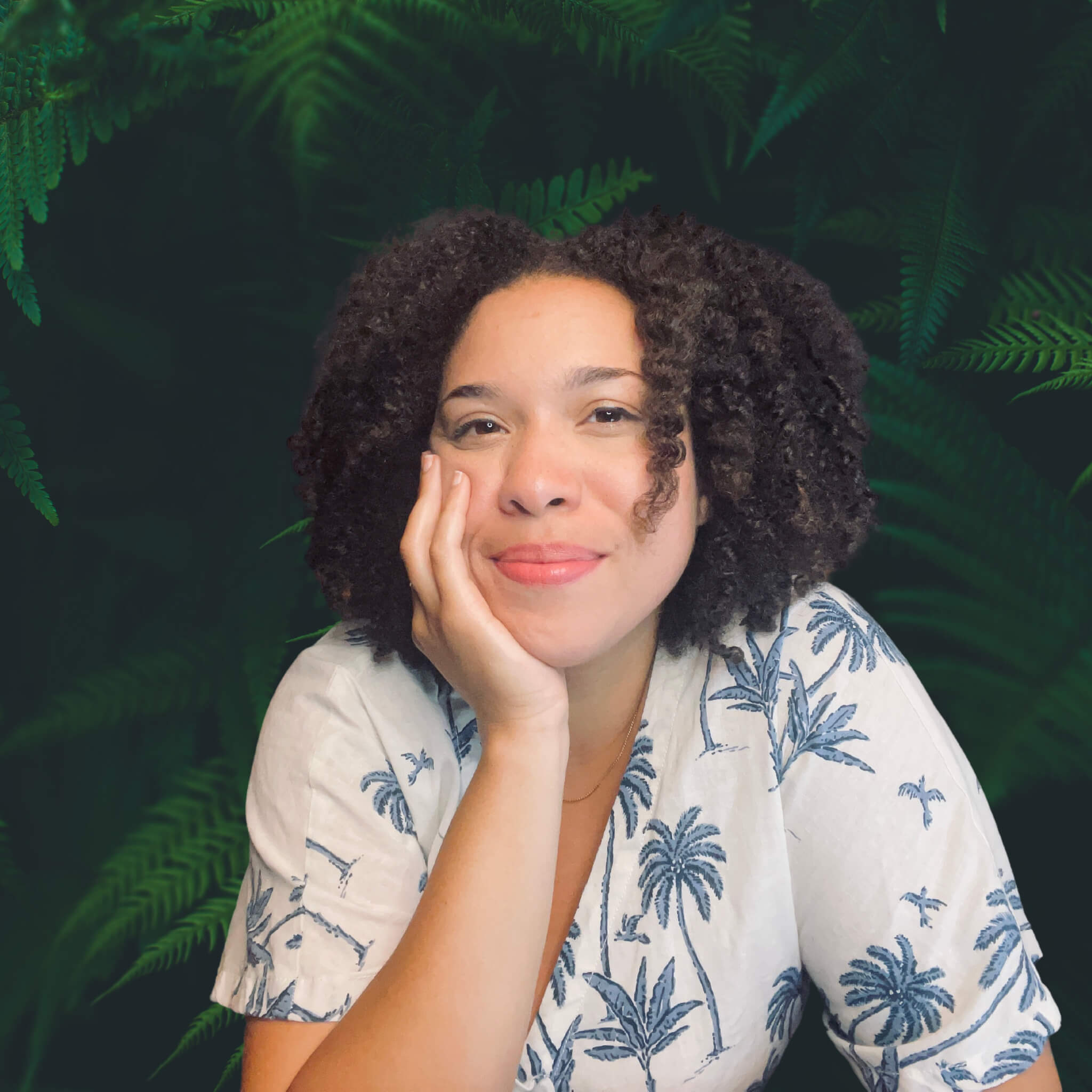
Alita Kelly
Alita Kelly is a food systems practitioner with over a decade of experience advancing equitable and sustainable local food economies. She founded the micro grocery store South East Market, where she developed procurement systems prioritizing local, culturally rooted, and environmentally responsible food. Alita continues to support the Michigan Department of Education in strengthening statewide farm to school networks and increasing access to fresh, local foods in schools. She previously served as Land Organizing Director for the National Young Farmers Coalition, advancing national policy and land access efforts. She is also one of the founders of West Michigan Young Farmers, which supports emerging growers through the Farmer of Color Land Fund, a seasonal Freedom School, and ongoing technical assistance. Through her project design and curated experience firm, Jade Rabbit, Alita helps institutions and communities integrate local food sourcing and sustainability, has led multiple community garden developments across Grand Rapids, and supports organizations in embedding more equitable practices into their planning and projects. She is currently restoring a 10-acre apple orchard in Northern Michigan and building a farm sanctuary near South Haven focused on land healing, ecological stewardship, and community retreat.
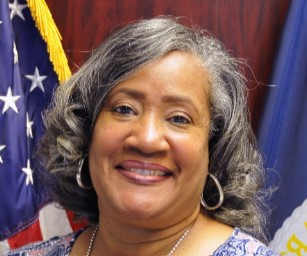
Diane Gray
Diane Gray began her new role as the NRCS Michigan State Conservationist (STC), headquartered in East Lansing, Michigan. Gray began her USDA career as a clerk-typist with Rural Development. In 1986, she joined the Soil Conservation Service (now NRCS) as a clerk-typist in Bourbonnais, Illinois. In 1989, Gray was promoted to area administrative coordinator and worked in that position until transferring to Michigan in 1995 performing the same role. In February 2015, Gray was selected as the Michigan assistant state conservationist for management and strategy. As a member of the leadership team, Gray integrated conservation strategy and financial planning, personnel, and locally led administrative services to deliver the state’s mission throughout area and local field offices. She also reviewed the performance and accountability of conservation programs and operations. She was previously Michigan’s state administrative officer, state budget officer, and financial technician. Prior to her first STC position in Delaware, Gray served as acting state conservationist in Michigan (2017), New Jersey (2019), and Maryland (2022). She was an active member of the Michigan Conservation Partnership Team developed to address state and local ag- focused issues. Gray served as the Federal Women’s Program and Black Emphasis Program manager in both Illinois and Michigan and was a member of the Michigan Civil Rights Committee prior to becoming a committee advisor. She is a life member of the National Organization of Professional Black NRCS Employees (NOPBNRCSE) and serves as the Treasurer. In February 2013, Gray completed the USDA Emerging Leadership Development Program at George Washington University. She also graduated from the USDA Midwest Leadership Development Program. She earned a Bachelor of Arts in Organizational Management from Spring Arbor University in Spring Arbor, Michigan. A native of Kankakee, Illinois, Gray enjoys cooking and reading.
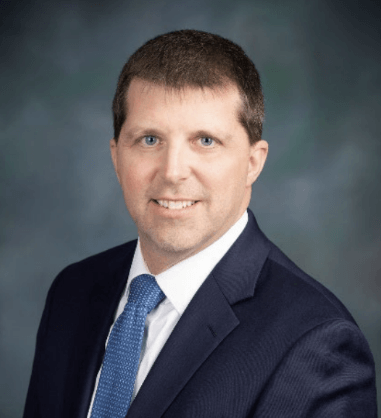
Dr. Tim Boring
Dr. Tim Boring serves as the Director of the Michigan Department of Agriculture and Rural Development (MDARD) supporting the department's continued commitment to investing in the state’s rural communities, providing opportunities for food and agriculture businesses, protecting consumers from the pump to the plate, and preserving Michigan’s environmental resources. Director Boring approaches those commitments with a focus on economic prosperity, regenerative agriculture and diversifying agricultural production across the state. His family operates a six-generation farm in Stockbridge, Michigan, which is why ensuring the next generation of farmers have the support they need is personal for him. Director Boring’s previous roles include State Executive Director of the USDA Farm Service Agency, President and Founder of Michigan Agriculture Advancement, and Research Director of the Michigan Soybean Promotion Committee. He has a Ph.D. in Crop and Soil Sciences from Michigan State University.
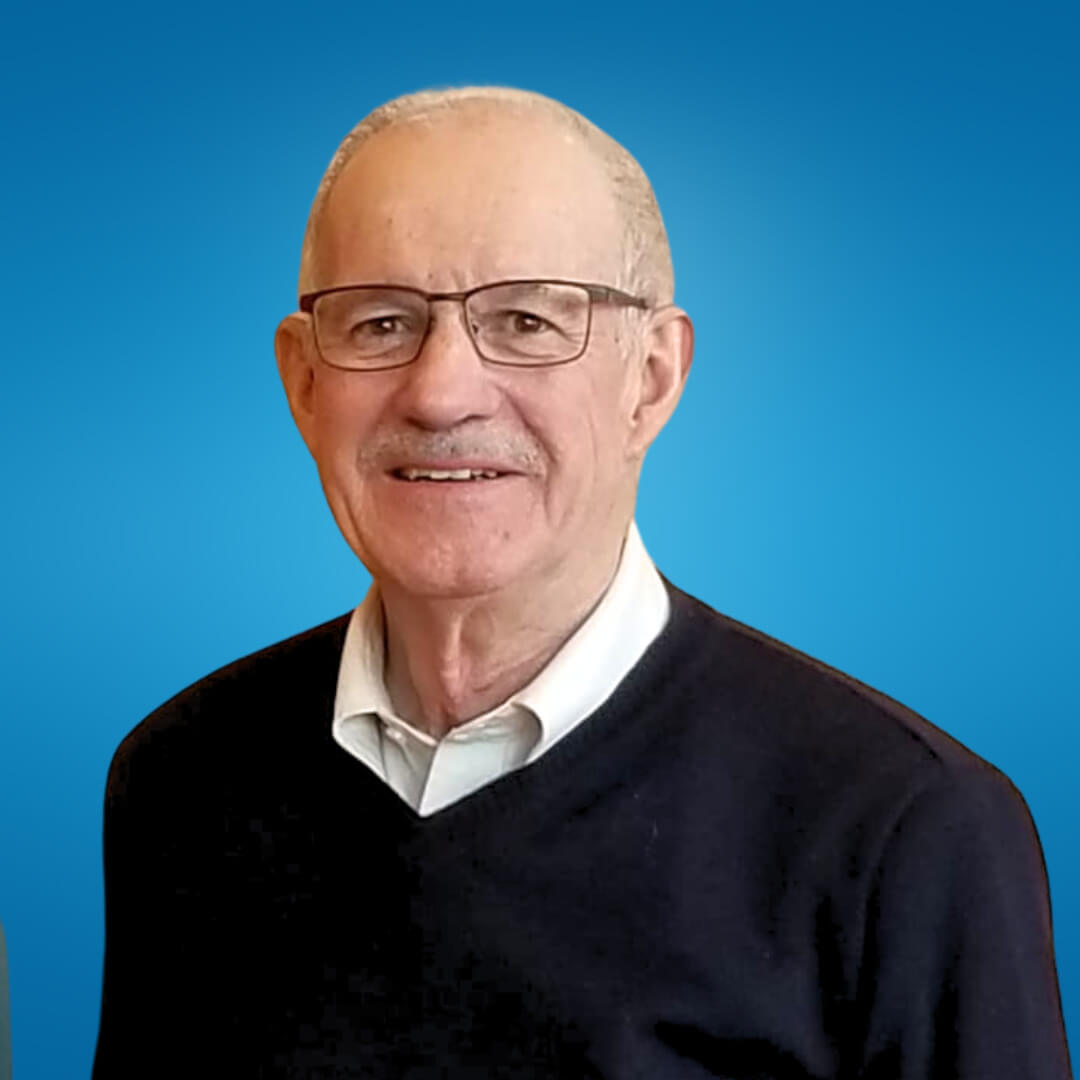
Jerry Miller
Veteran conservation advocate advancing MACD governance, statewide coordination, and director development.
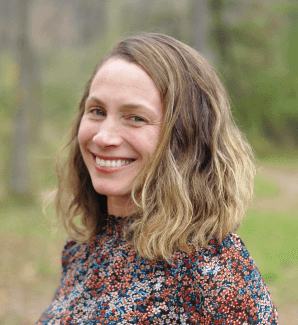
Jill Dohner
Connects farmers with land and support across Michigan—bringing practical tools and partnerships to successful farm transitions.
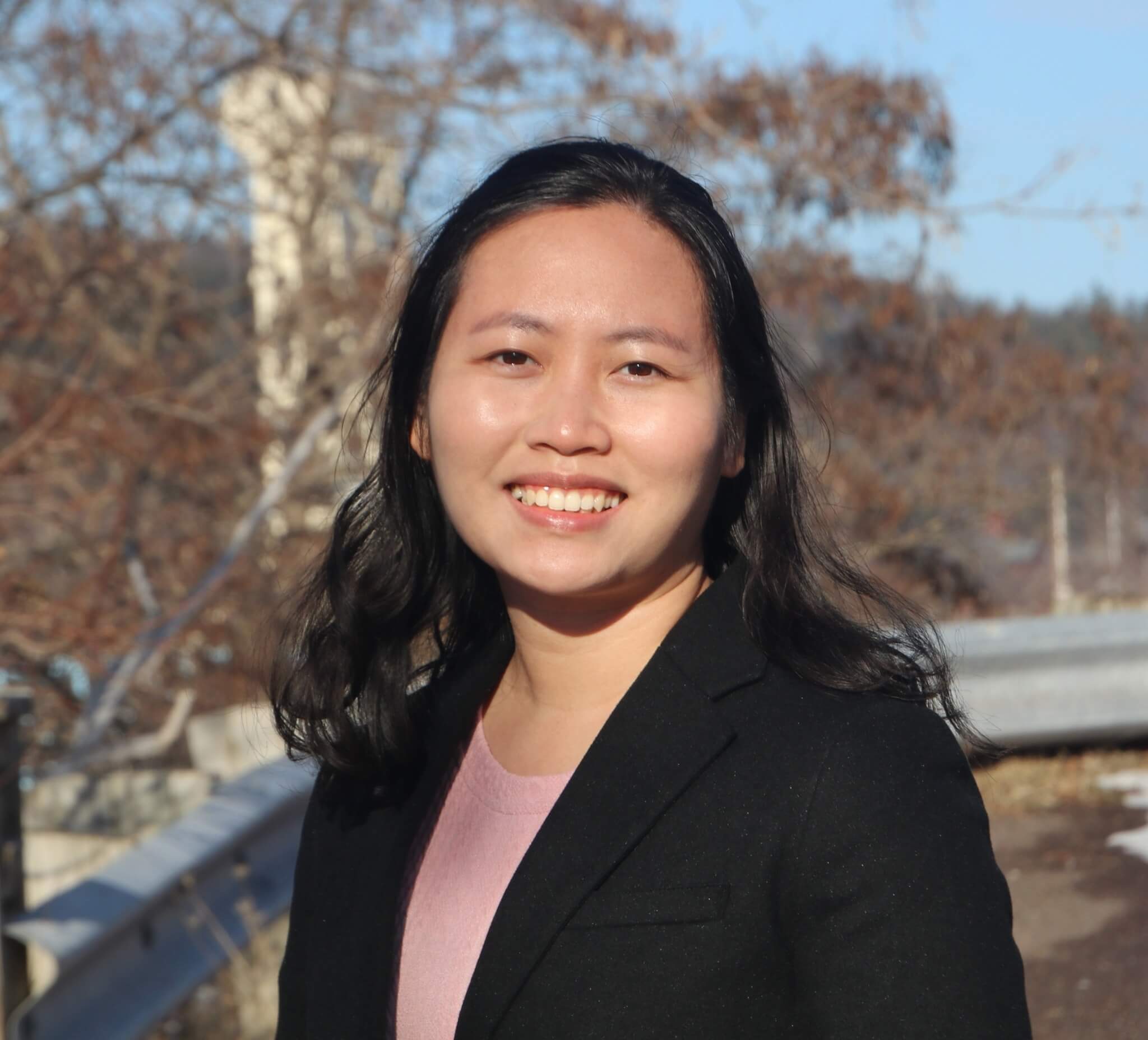
Mai Anh Tran
Bridges Indigenous and Western sciences to advance forest stewardship, climate adaptation, and community resilience.
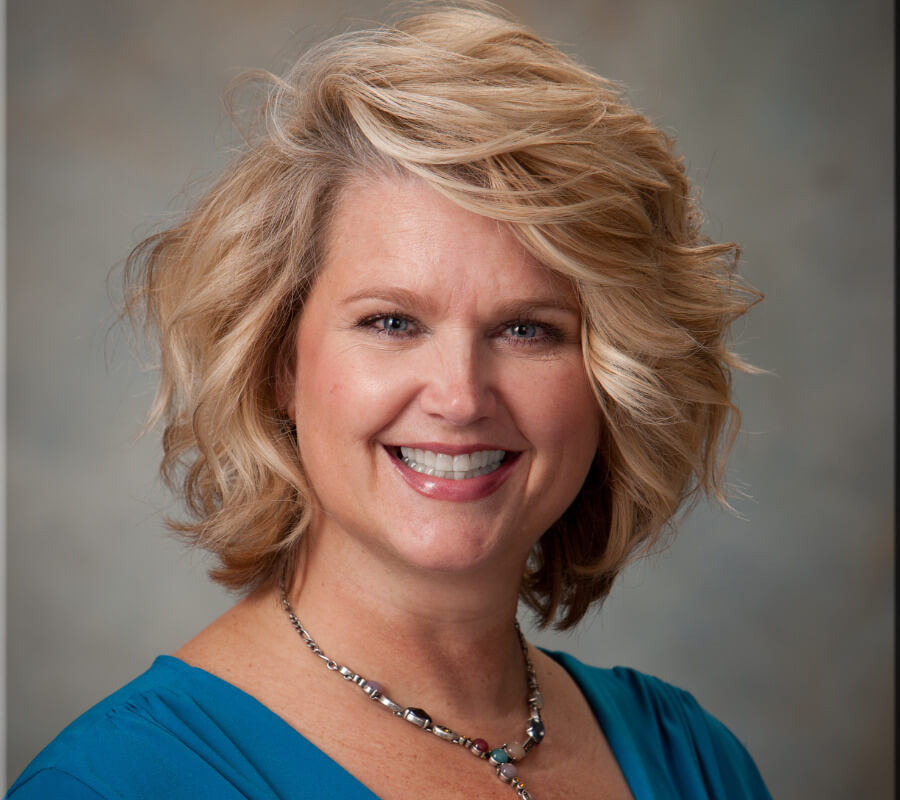
Patrice E. Martin
Organizational-growth consultant helping districts plan strategically and train new directors; deep experience in workforce development and nonprofit governance.

Reynelda Jones
LMSW-C, CAADC, ADS, CIMHP — practical, holistic tools for stress and burnout prevention tailored for leaders and teams.
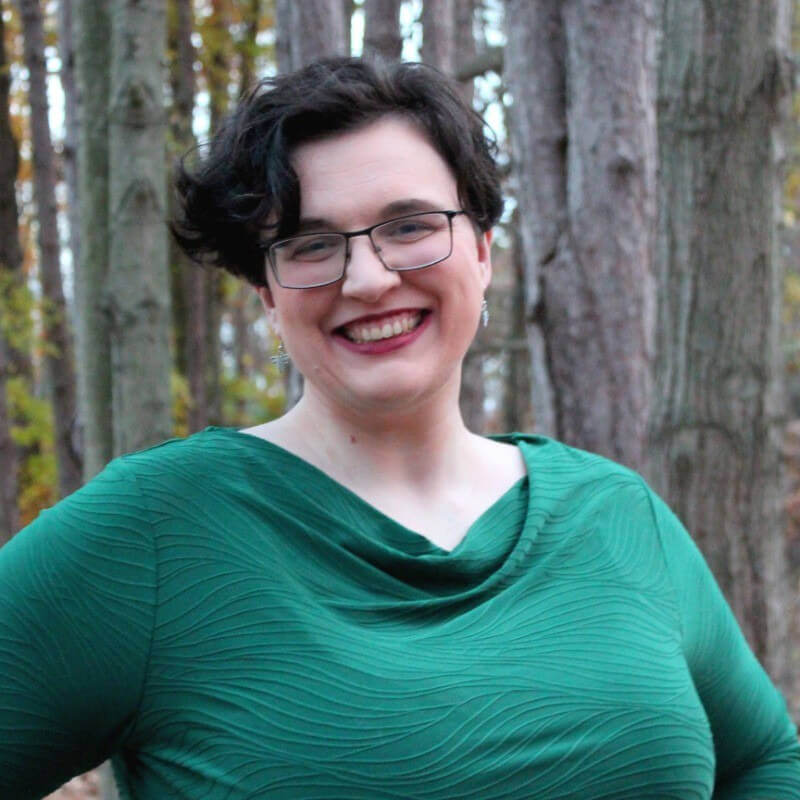
Rivka Hodgkinson
Collaborative statewide leader strengthening district capacity, partnerships, outreach, and director development.

Steve Law
District and MACD leader focused on board effectiveness, legislative engagement, and practical support for directors and managers.
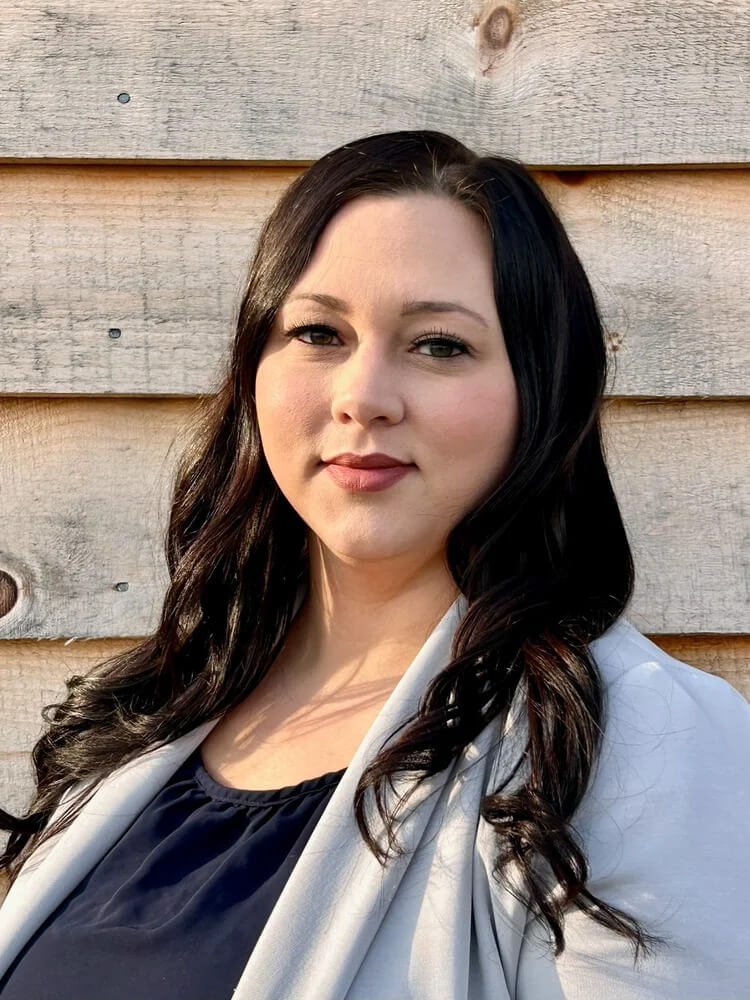
Brook Baumann
District administrator for the Mecostra Conservation Disctrict.
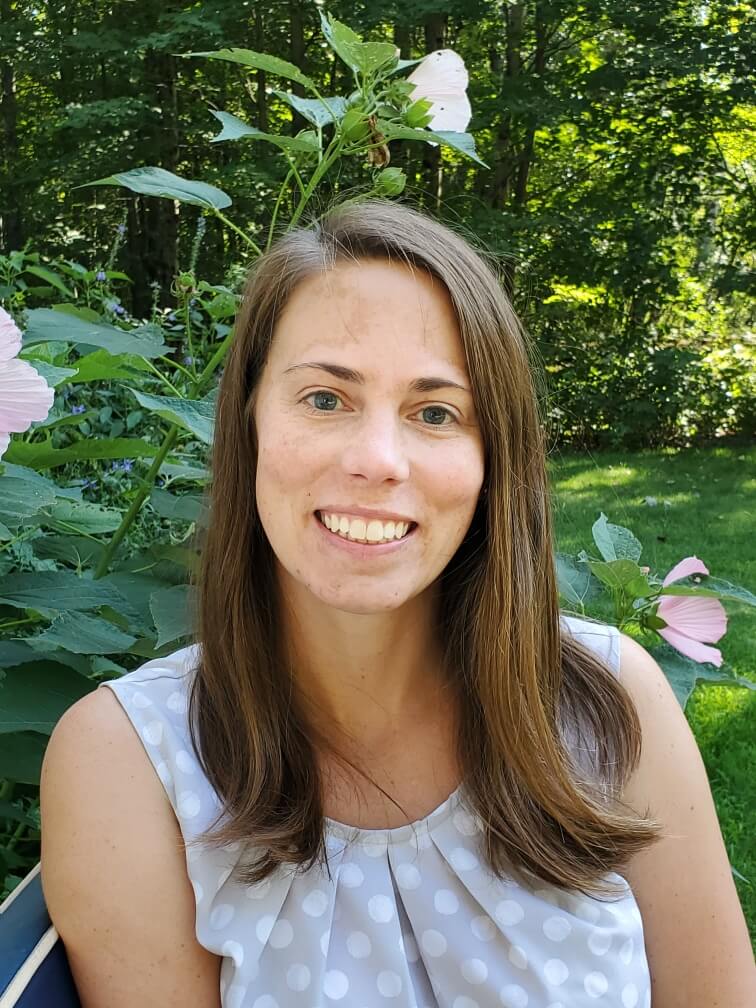
Dani McGarry
Executive director of the Mason-Lake Conservation District.
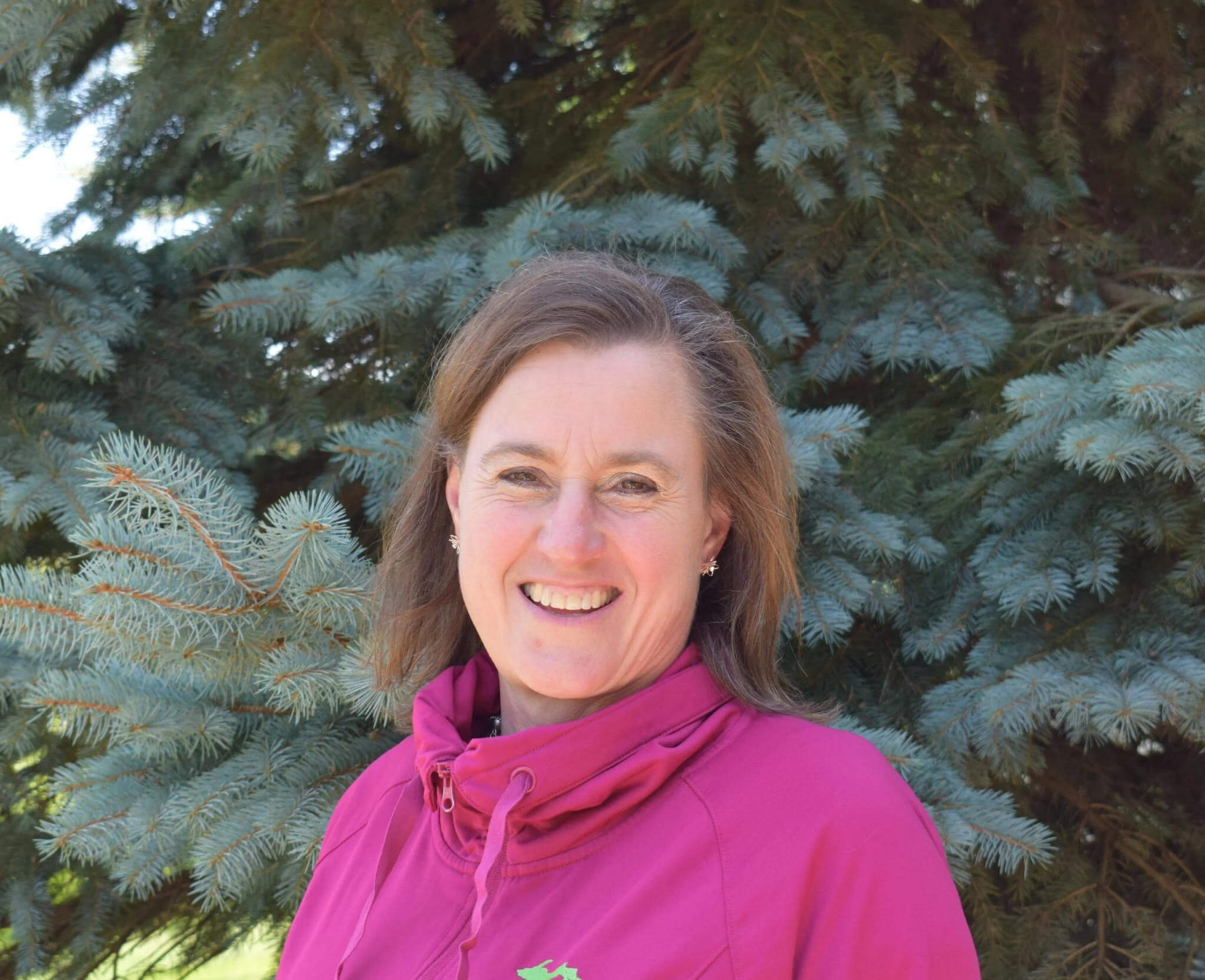
Melissa Eldridge
Serving the Ionia conservation district as President CDEM.
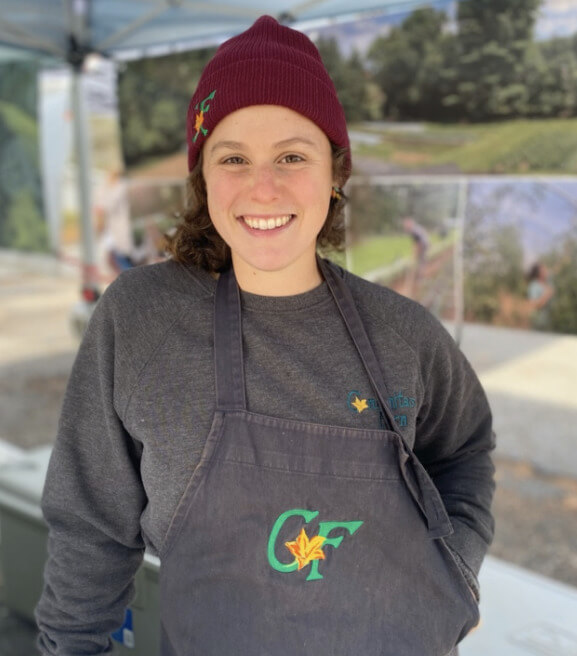
Shoshanna Nachman
Growing up, I remember our annual trips to Larriland Farm, a local family-owned, pick- your-own farm. Little did I know that an activity as simple as picking delicious fruit would become such a large part of my life. In fact, I didn’t think farming could be career for myself until I entered my mid-to-late 20s. In college, I studied environmental science. I knew I wanted to work outside, but I also wanted to support my community and help address climate change at a local level. For a while, it was difficult to reconcile these values. I worked various jobs looking for “the right fit.” Unexpectedly, I found that farming combined my values with my desire to be connected to nature. I’m excited to enter the next phase of my farming journey, starting a farm that is ecologically and sustainably minded.
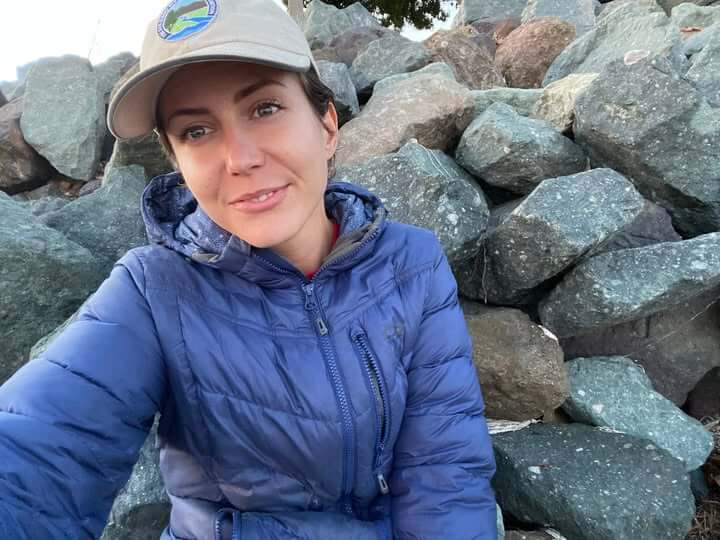
Chandra Kinney
Offering Wildlife Management Services through HuntMICollaborative. Kalamazoo Conservation District has been working in collaboration with the HuntMICollaborative to offer wildlife management services to our county members through organized group management hunts. These hunts not only provide crop damage services to landowners, they also raise culture and ecological awareness and hunters education. Come learn how our collaborative operates and discover if it's a good fit for your district..
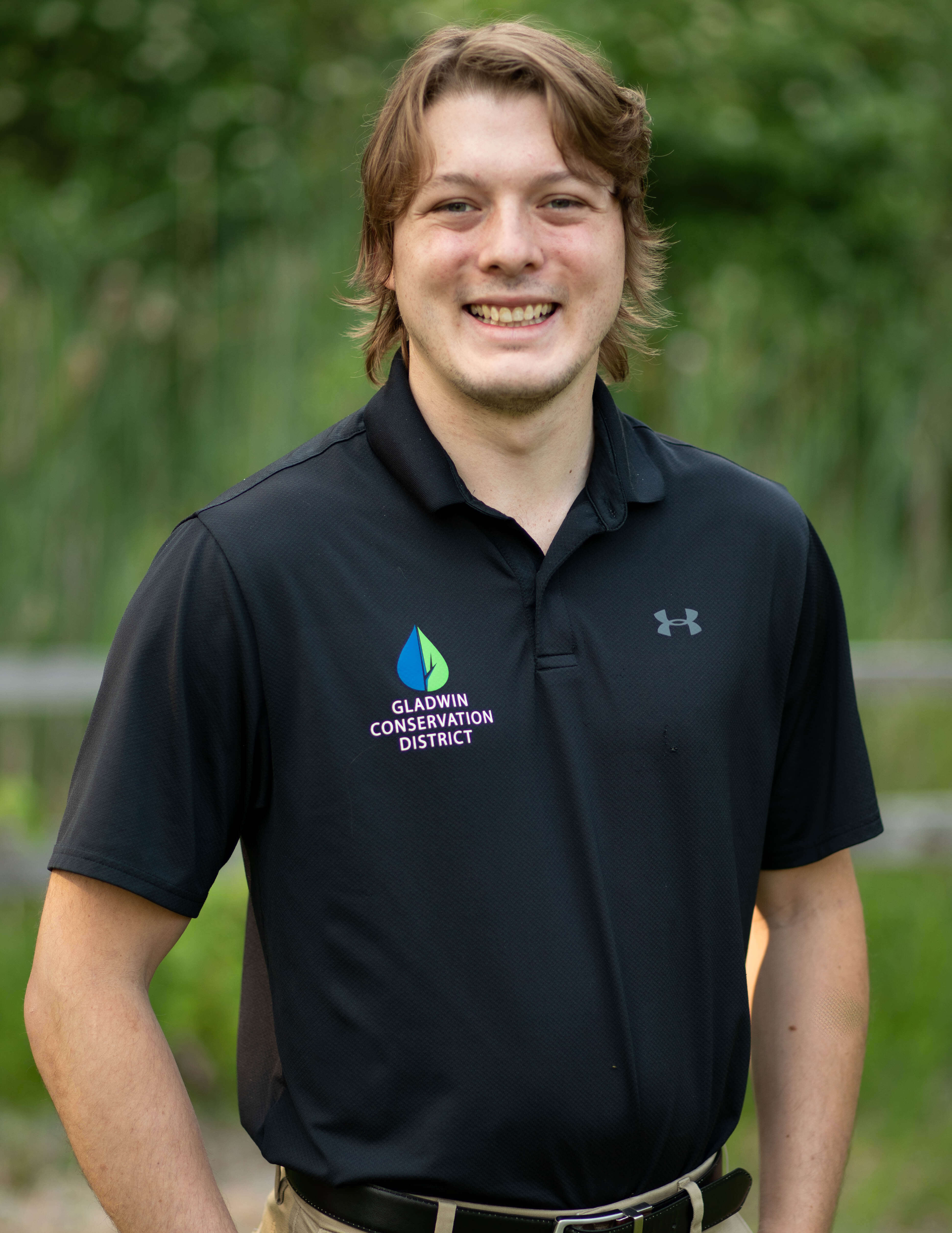
Tristan C. Hewitt
Tristan joined the Gladwin Conservation District in April 2019 as the Executive Director. He is from West Branch, Michigan and graduated from CMU with a Bachelor's Degree in Economics. He previously worked as a Farm Bill Technician for Sanilac County, Michigan. Tristan is an outdoor enthusiast and loves northern Michigan. He also loves exploring, spending time with his family, and learning.
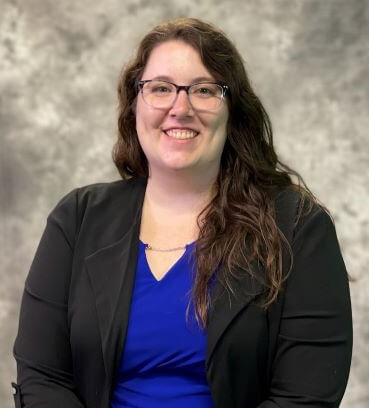
Tess Van Gorder
Tess Van Gorder is a Conservation and Regulatory Relations Specialist at Michigan Farm Bureau. She collaborates with governmental and non-governmental organizations on opportunities related to environmental
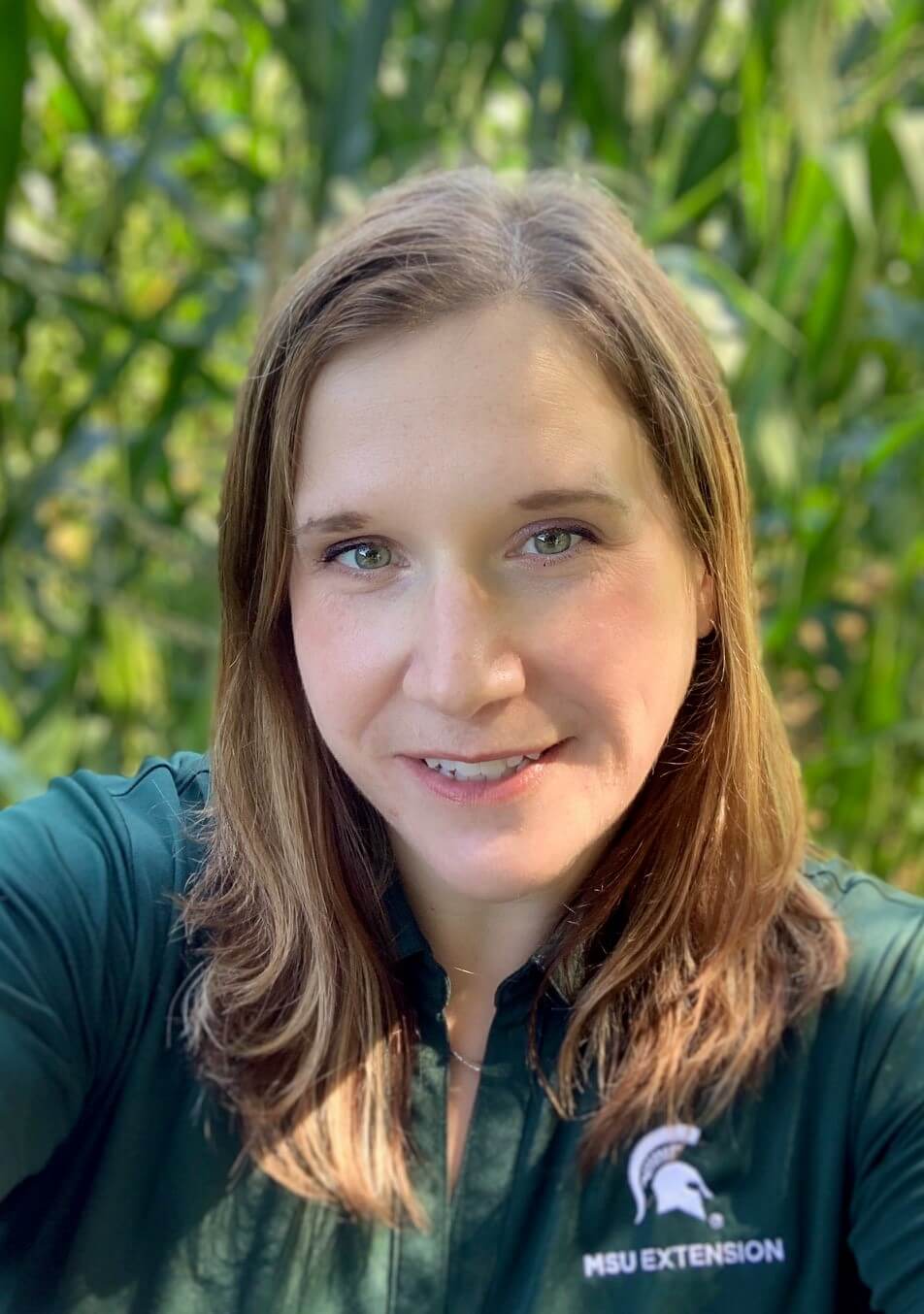
Sarah Zeiler
Sarah Zeiler grew up in Southern Michigan where she lived on a laying hen and row crop operation. She received her Bachelor of Science in Biology. Having a natural inclination toward land stewardship, she attended Bowling Green State University and received her Master of Science in Ecology. She has been working for Extension for 8 years as an Environmental Management Educator. Previously, Sarah has worked as an engineering coordinator for a local municipality, a biology instructor, a watershed coordinator, and a conservation technician. Sarah’s interests are in water quality, nutrient management, and the interface of rural and urban spaces on water issues.
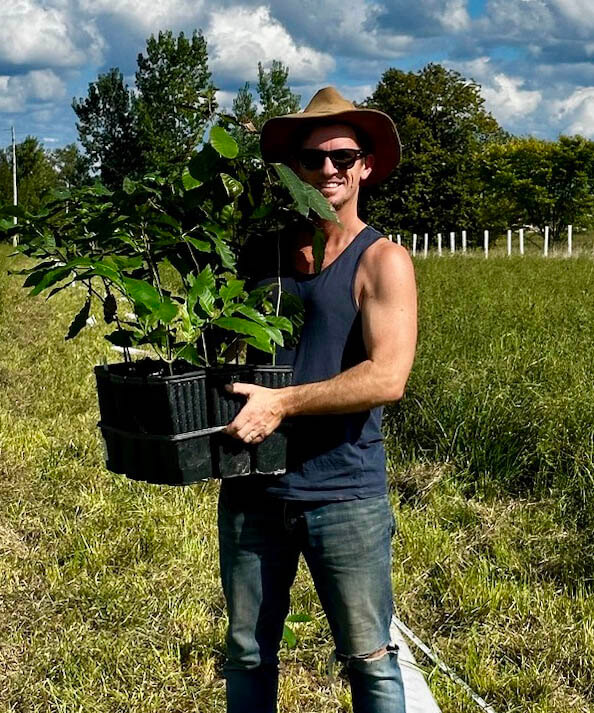
Nathan Ayers
Nathan Ayers is the Executive Director of Chiwara Permaculture Research & Education, Project Lead for the Michigan Agroforestry Partnership, and Creator of the Tree Lab. A life-long protector of the Great Lakes and all of her jewels, Nathan and his family own a 20 acre Agroforestry farm in Oceana County.
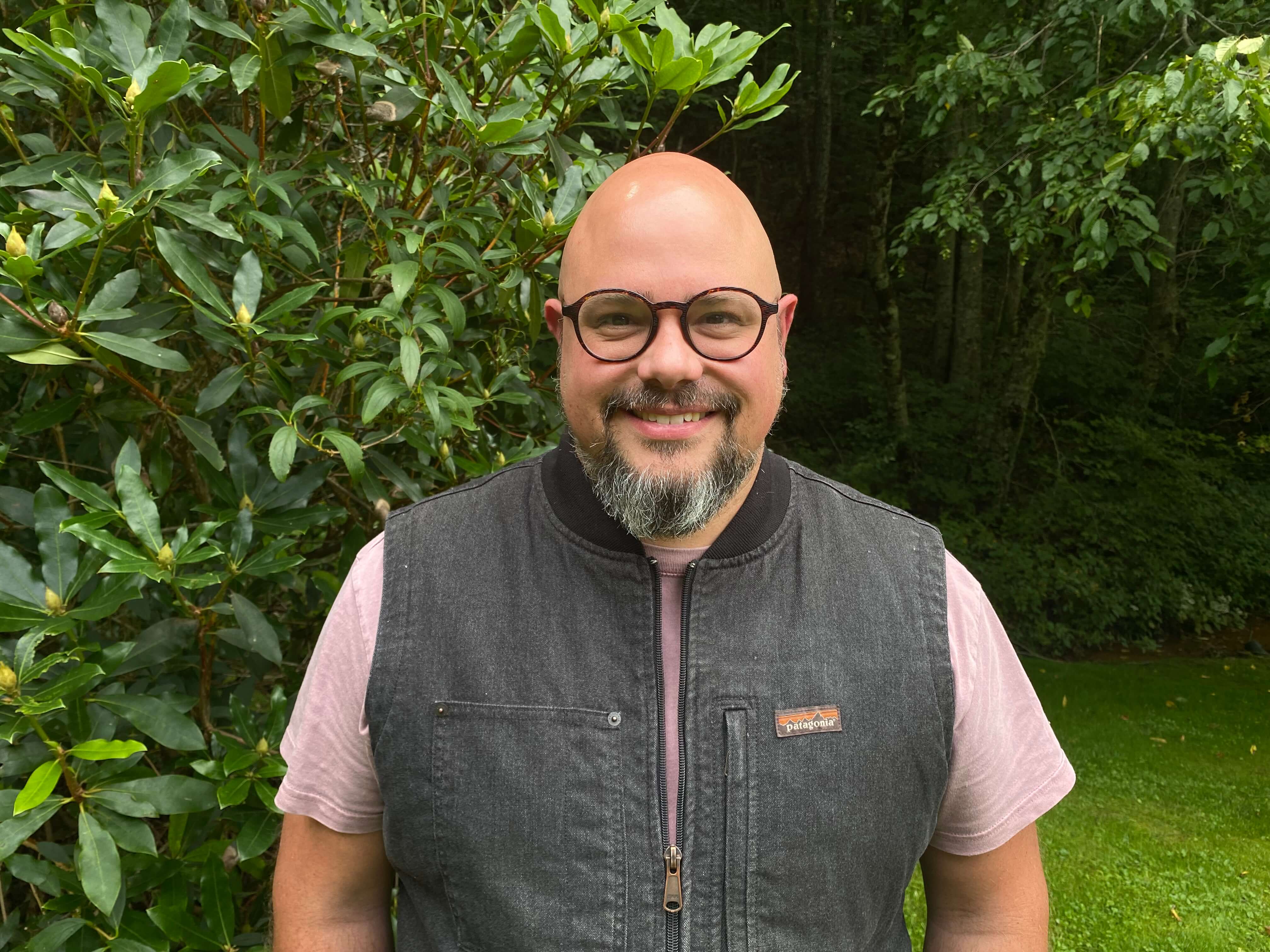
Jamie M Rye
Over the past 22 years, I have dedicated my career to building stronger nonprofits, organizations and communities through social justice, equitable food and health access, equitable housing, regenerative agriculture, and conservation work. In this time I have raised over $27M in funding for organizations through a slew of funding mechanisms. My diverse experience spans multiple roles and regions, each deepening my commitment to sustainable systems and community empowerment.
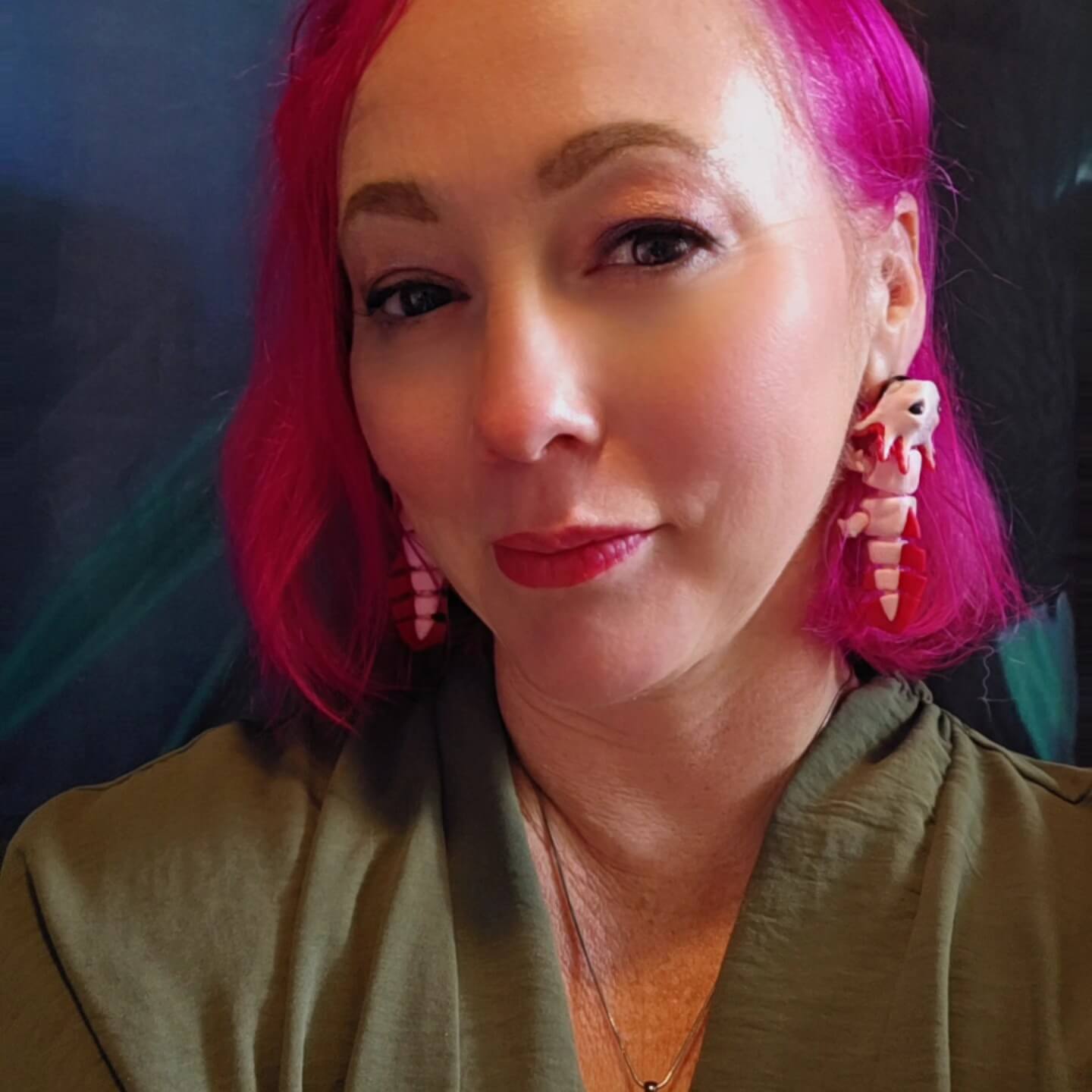
Erin Horton
Erin Horton is the Conservation Outreach Coordinator for the Missaukee Conservation District. Erin has served for over a decade in Los Angeles, Traverse City and Cadillac schools before helping to establish an after school program in Marion, MI. Her most recent degree, Education Specialist, came from CMU. Earlier, in California she earned a BS in Spanish and an MS in Multicultural Education. She is excited to serve her local community and promote healthy practices with our natural resources. She has been studying wildcrafting and traditional medicines as a personal hobby for over a decade.
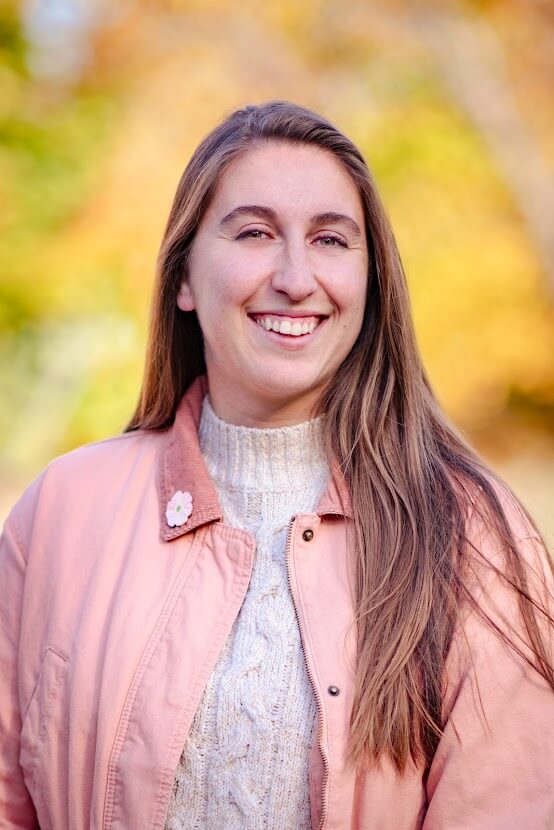
Ellie Johnson
Ellie Johnson is the Outreach Forester for the Michigan Forest Association. Prior to this role she served as District Forester for Leelanau, Grand Traverse, and Benzie Conservation Districts through the Forestry Assistance Program. She is a Candidate Certified Forester for Society of American Foresters (SAF), serves as the Michigan SAF chapter Secretary, and is a Board Officer for the NW Invasive Species Network. Ellie has an MS in Forest Resources from Clemson University, and a BS in Environmental Biology and a BSe in Secondary Biology Education from Clarion University of Pennsylvania. Originally from Erie, PA, she now lives in Traverse City, MI and spends every possible moment in the woods.
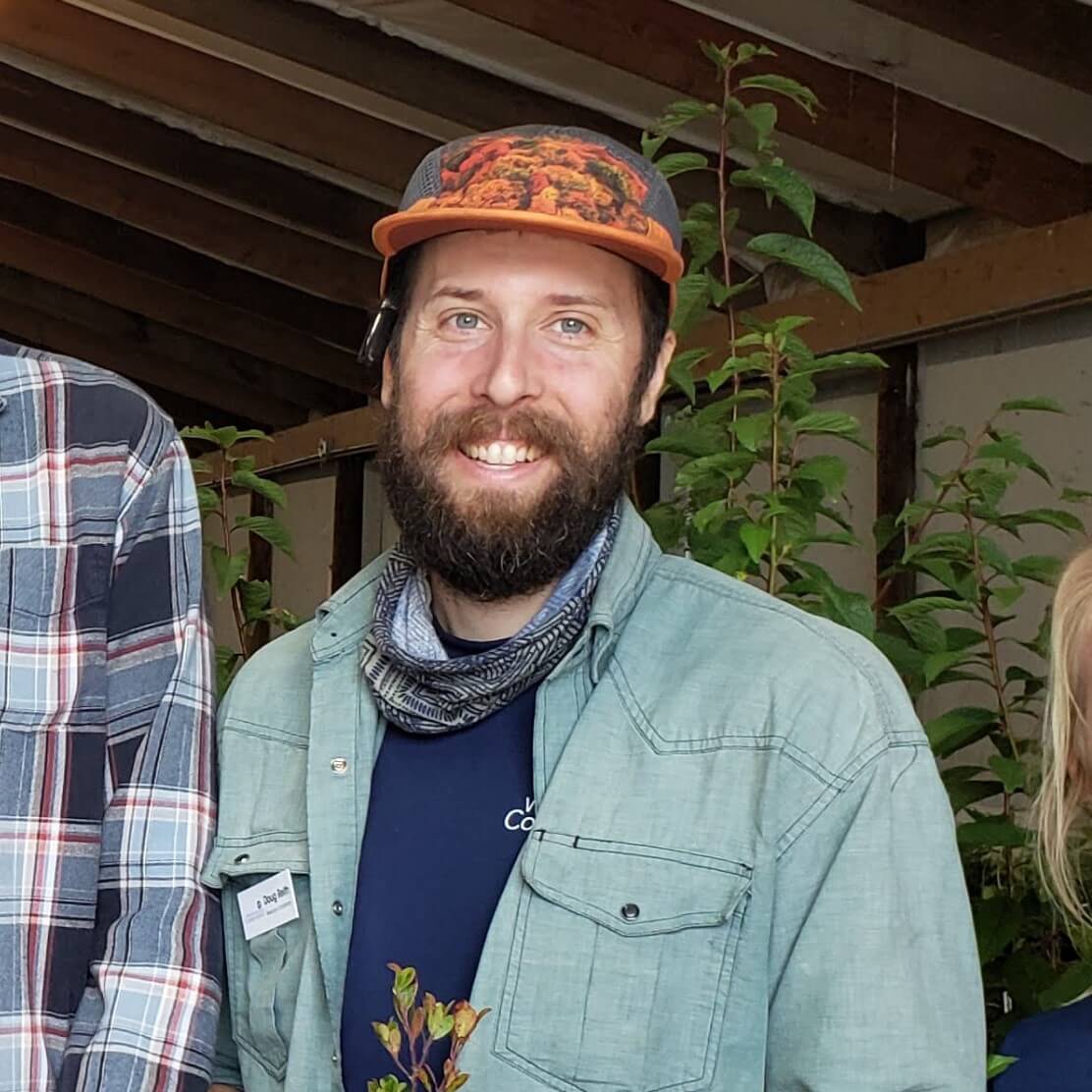
Doug Reith
Doug Reith is the Resource Specialist at the Washtenaw County Conservation District. He supervises and coordinates conservation resources programs including the Plant Sales, Rain Barrel Sales, and Tool & Equipment programs. He has coordinated the Native Plant Expo & Marketplace and started the School & Community Habitat Grant program.
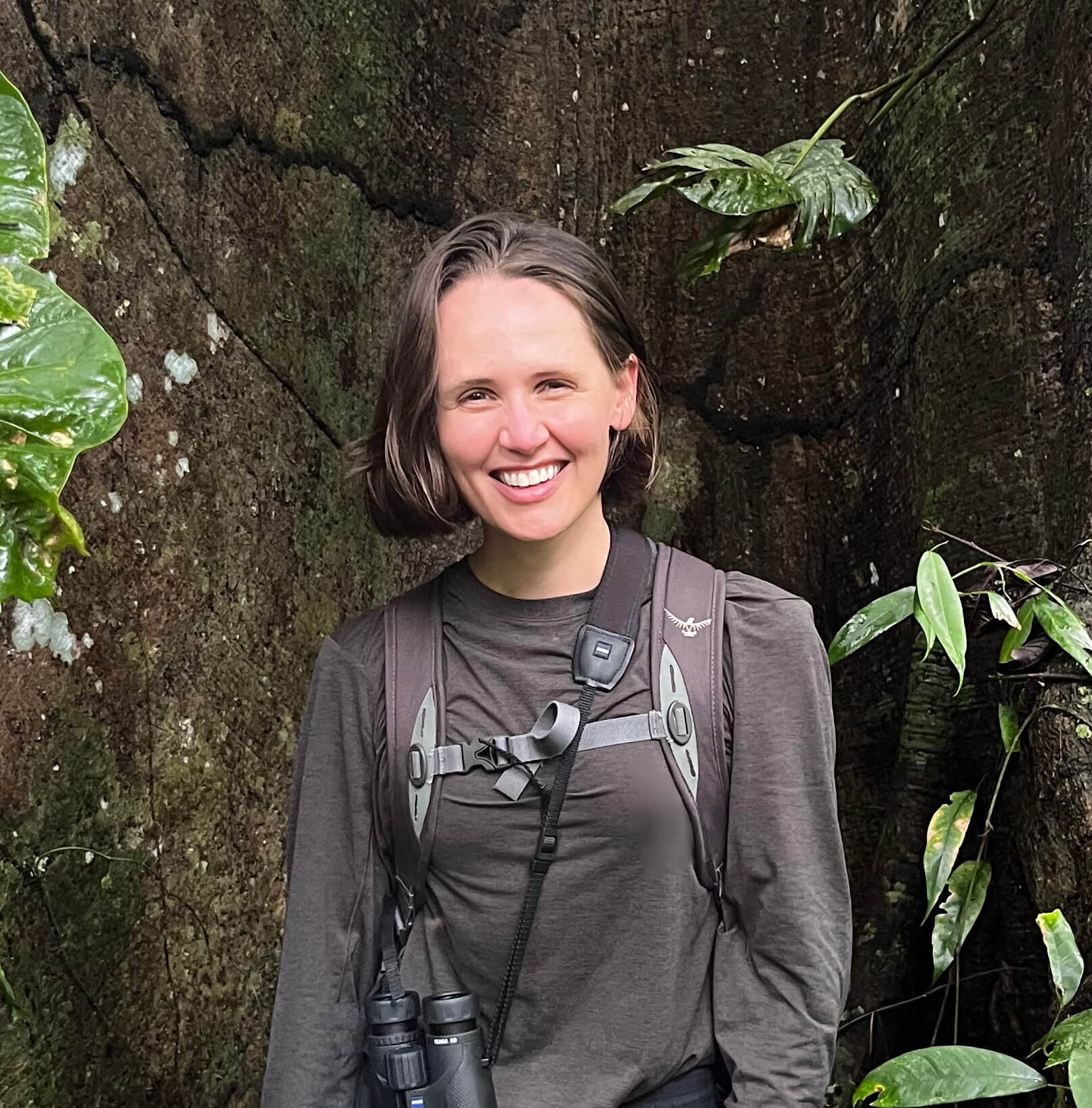
Della Fetzer
Della Fetzer is a plant biologist and the founder of Rebel Cultures, where she and her team develop novel tissue culture methods to support conservation, habitat restoration, and specialty crop production. Her work emphasizes making advanced plant propagation accessible to conservation districts, growers, and restoration projects — particularly when seed sources are limited or unavailable. She collaborates with universities, growers, and conservation nonprofits to stabilize endangered plant populations, expand habitat for threatened wildlife, and strengthen Michigan’s natural resource resilience.
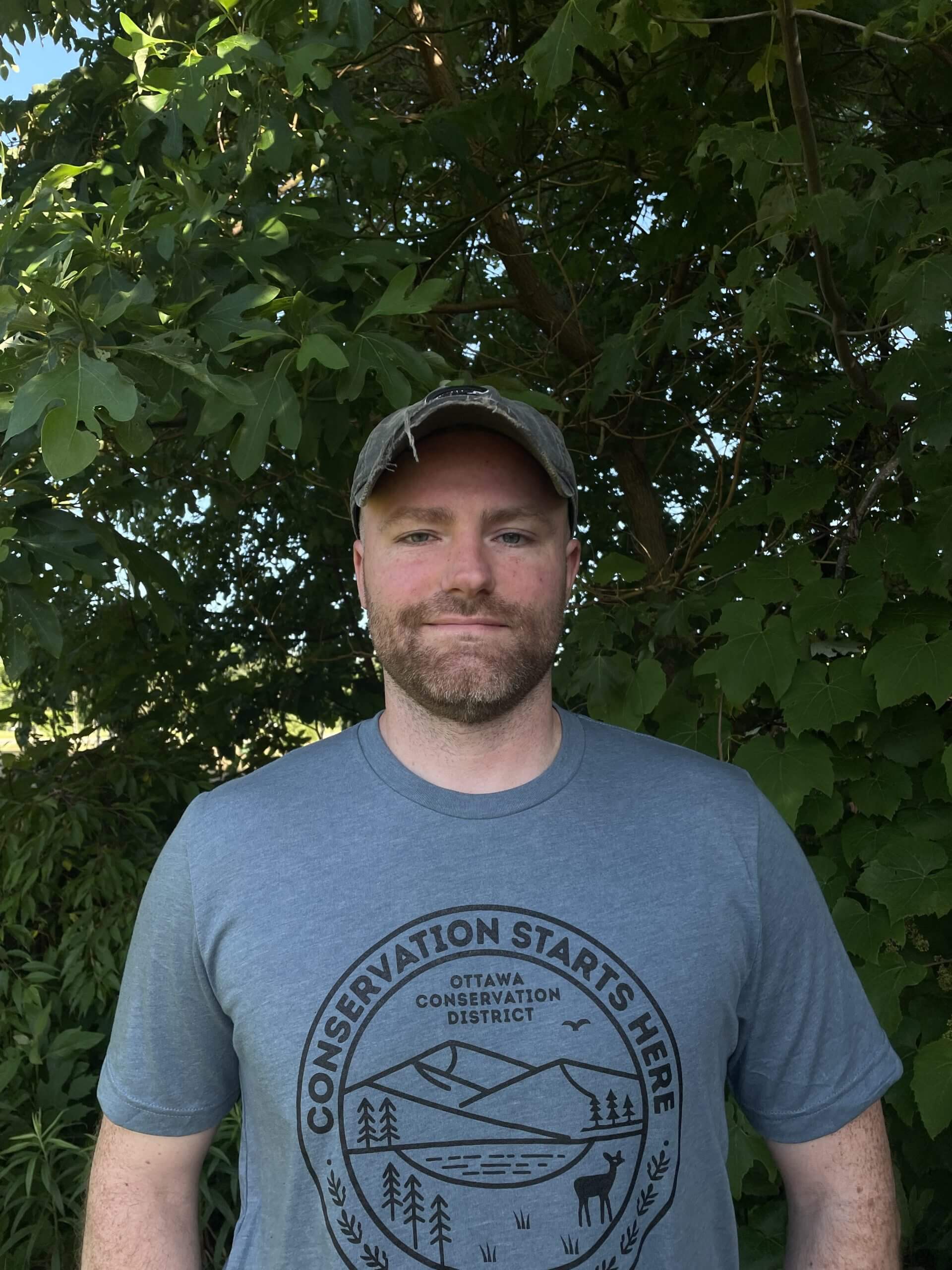
Ben Jordan
Over his career he's been able to help farmers and residents in Ottawa County and surrounding counties cover 25,456 acres with cover crops, plant 4,661 acres with no-till planting, replaced 76 failing septic systems. He's also helped farmers install a dry manure storage facility, two livestock crossing and exclusion projects, and a grassed waterway. All of these practice installations and septic system replacements have resulted in the reduction of 4,175 tons of sediment, 25,515 lbs of phosphorus, and 88,689 lbs of nitrogen from Ottawa County streams. These numbers don't event include the work being done through our two current nonpoint source grants.
Jeremiah Asher
Jeremiah Asher is the Assistant Director at the Institute of Water Research, having an extensive background in geographic information systems (GIS), project management, decision support system development, and natural resource management. His research focus is on translating field research to decision support application systems. He is the chief application developer for two nationally awarded decision tools, the North Carolina Ecosystem Enhancement Program for Pasquotank Watershed and the Water Withdrawal Assessment Tool interface for the State of Michigan. His most recent activities and research focus on developing sensors for managing water, groundwater and managed aquifer recharge, edge-of-field monitoring, and floating wetland research.
Kevin Sayers
Kevin Sayers is State Coordinator of the Urban & Community Forestry Program for the Michigan DNR.
Mike Smalligan
Mike administers the Forest Stewardship Program, funded by USDA Forest Service, to help family forest landowners manage, protect and enjoy their woods. The five goals of the Michigan Forest Stewardship Program are empowered landowners, accessible markets, clean water, certified forests and school forests. He applies to USFS for competitive grants to create innovative programs and partnership like Forest to Mi Faucet, Wheels to Woods and Forests for Fish.
Veronica LaBar
As Regional Manager, Veronica is the primary point of contact for participating municipalities in southwest Michigan, providing consultation regarding plan administration, plan and benefit changes, participant education, needs analysis, and collective bargaining assistance. She is available for on-site meetings with administrators, councils, boards and committees, and is responsible for ensuring outstanding service and value through the coordination of the MERS Regional Team.

Yu Man Lee
Yu Man has conducted inventories, research, and monitoring to assess Michigan’s rare and declining animal species, particularly amphibians and reptiles, and their conservation needs since joining MNFI in 1997. Other focus areas include vernal pool mapping and monitoring, climate change vulnerability assessment, species distribution modeling, conservation planning, education and outreach, and community science. Growing up in New York City, she was inspired by Jacques Cousteau TV specials to become a marine biologist, only to learn she gets terribly seasick. Changing to wildlife biology, she pursued a BS in Natural Resource Management at the University of Michigan and her MS in Wildlife Science from Oregon State University.
Abby Pointer
Abby is the Outreach & Education Coordinator for the Michigan Nature Association. Her role is largely dedicated to facilitating the Michigan Vernal Pools Partnership (MVPP), a collaborative, statewide partnership focused on the conservation, research and mapping, and education around vernal pools.
Allison Bressler
Alison Bressler is the program manager for the Western Lake Erie Basin Advisory Group, a community group in southeast Michigan that works with the state to improve water quality in Lake Erie by addressing phosphorus pollution. Alison is facilitating this session with the conservation specialists who have been working with producers to enroll in the SHIP program.
Allegra Baird
Allegra Baird is the Conservation Specialist at Lenawee Conservation District. Allegra has a Master’s in Ecosystem Science and Management from the University of Michigan and worked as a natural areas stewardship technician before joining the district.
Amber Butterfield
Amber has a background in program management, partnership development, and strategic communication, and brings a practical and people-centered approach to her work. She is passionate about creating opportunities for districts to thrive, whether through increased visibility, expanded collaboration, or more effective engagement with partners and the public. She believes that strong relationships and clear communication are the foundation for impactful conservation.
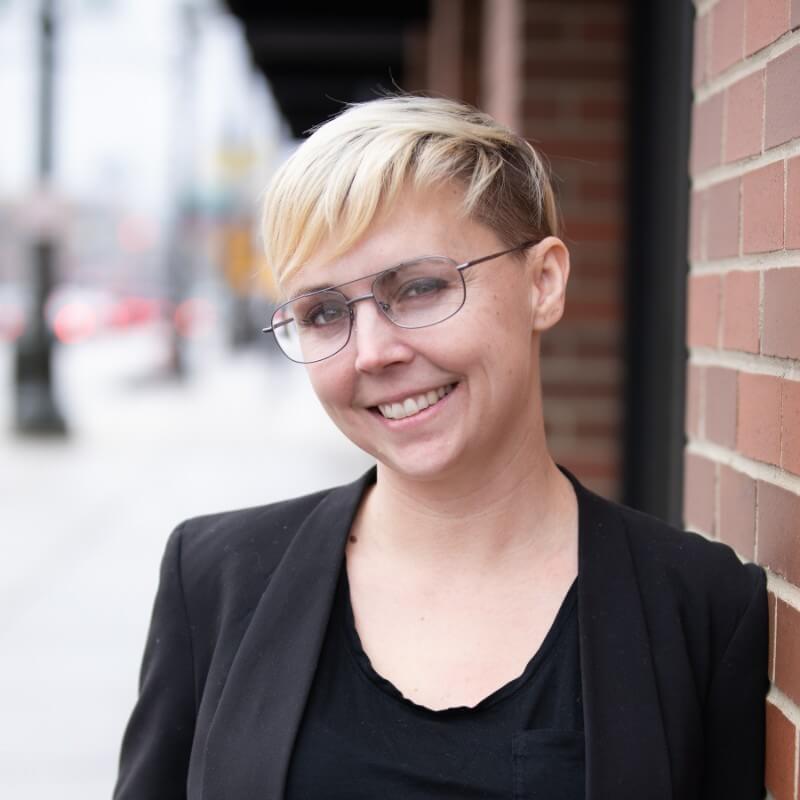
Ashley Connelly
CEO Ashley Connelly has 15 years of high-quality experience working in Community Development, Defense, Manufacturing, Workforce Development and Engineering industries. Her expertise is in converting government funding priorities into commercial or community application by bringing together strategic stakeholders and jointly creating programs to spark economic and/or educational opportunities in the region while strengthening communities.
Brady Hess
Brady Hess is the Conservation Specialist at Hillsdale Conservation District. Brady has a Bachelor’s of Science in Fisheries and Wildlife Management from Lake Superior State University and worked as a Conservation Reserve Program Specialist before joining the district.
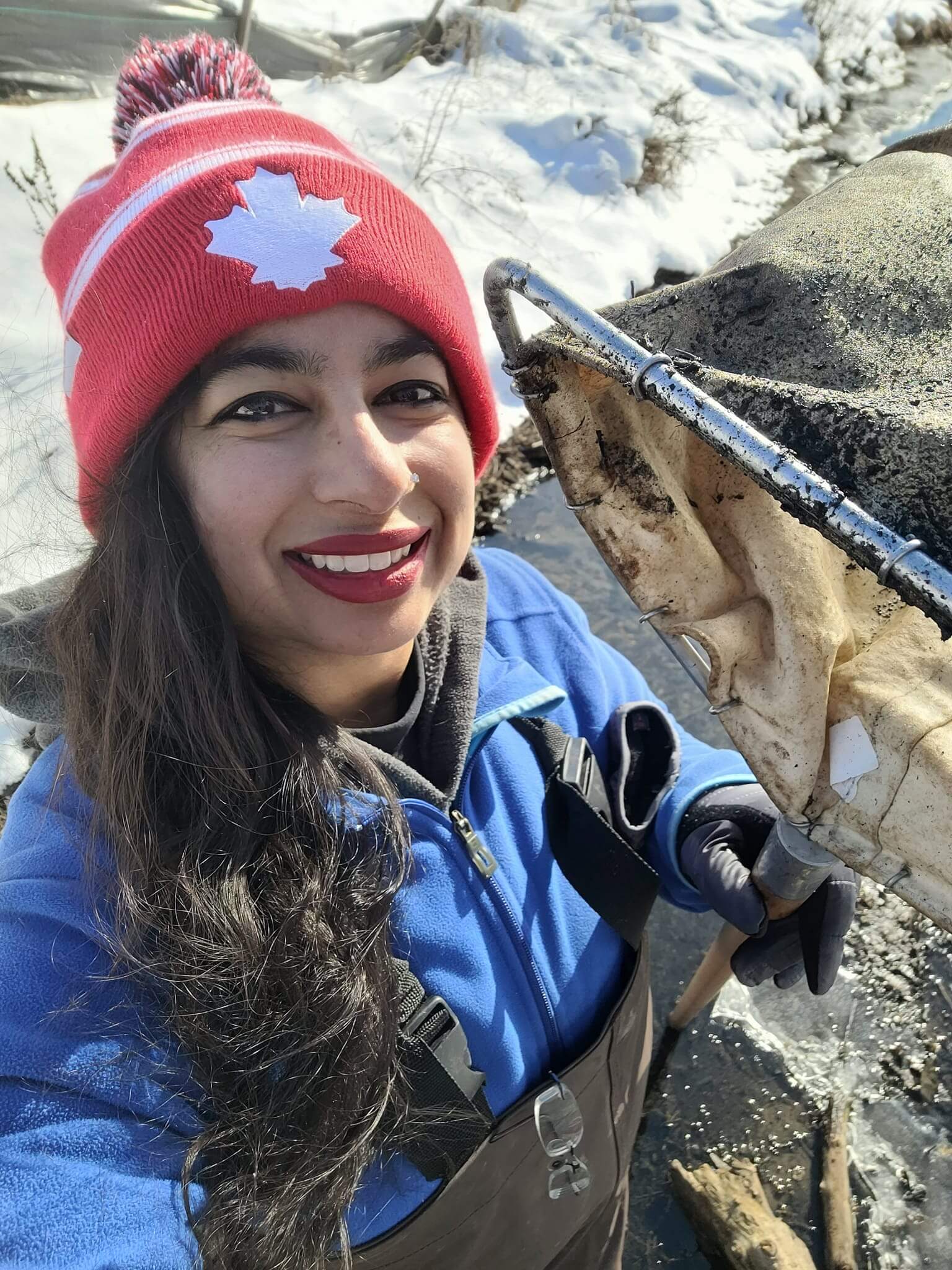
Shikha Singh
Dr. Shikha Singh is the Coordinator of the Jackson, Lenawee, and Washtenaw Cooperative Invasive Species Management Area (JLW CISMA). Her work includes community education/outreach, management, and the treatment of invasive species within the tri-county region. Shikha holds a masters and doctorate degree in the Dept. of Fisheries and Wildlife from Michigan State University. She has been working on environmental issues within the Great Lakes region for the past 21 years, focusing on water quality, environmental policy, and invasive species. She originally hails from Canada, is an avid sports enthusiast, cook, and a nature photographer.

Eric Walcott
Eric Walcott is a Senior Specialist with MSU Extension's Government and Community Vitality programs, where he contributes to the design and delivery of educational programs that strengthen local government capacity and support thriving communities across Michigan. His work focuses on fiscal sustainability, good governance, civic engagement, and inclusive leadership, with a particular emphasis on supporting elected officials and government staff through training, facilitation, and technical assistance.
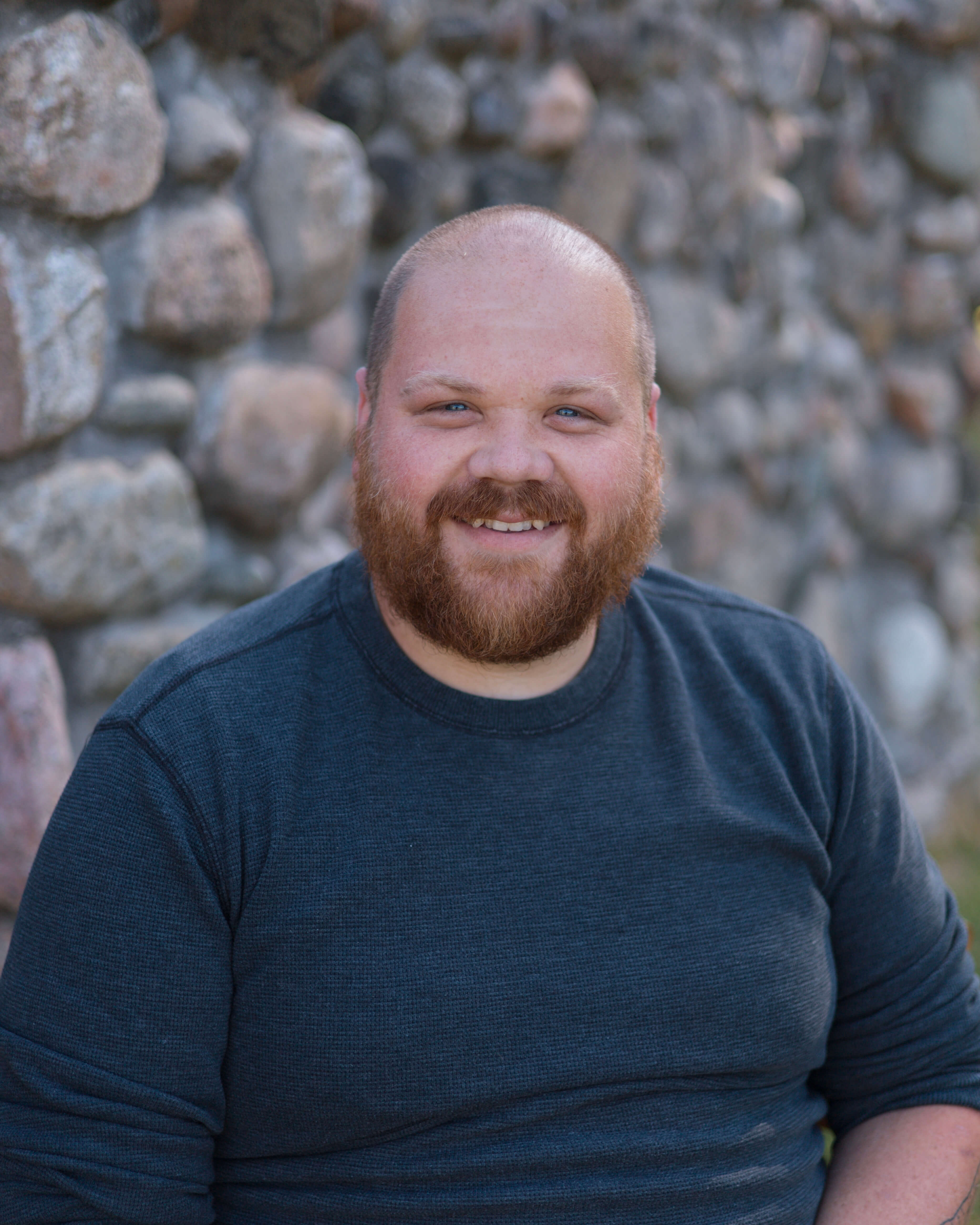
Gabriel Francisco
Gabriel Francisco is a Conservation Technician at the Van Buren Conservation District and is their Livestock and Grazing Specialist. He is a graduate of the Wendell Berry Farming Program studying Sustainable Agriculture and Draft Animal Power Systems. When not working for the conservation district Gabriel is the owner and head farmer of Thunderfoot Farms a multi-generational livestock farm in Paw Paw Michigan that holds the distinction of being the first Certified Naturally Grown” livestock farm in the state of Michigan, and is also a co-founder of “A Common Pasture” a group of small acreage highly diversified livestock farmers in southwestern Michigan who sell and farm their products in partnership with each other.
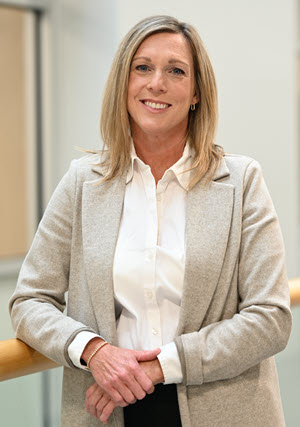
Tara Tyler
As MERS Benefit Plan Advisor, Tara works with municipalities in Lower Michigan who are considering adoption of MERS’ programs. She serves as a liaison between employers, boards, unions and consultants throughout the decision-making process and final enrollment. Tara has a Bachelor of Administration degree in Marketing from Baker College, as well as a Life and Health Insurance License. She joined MERS in 2006.
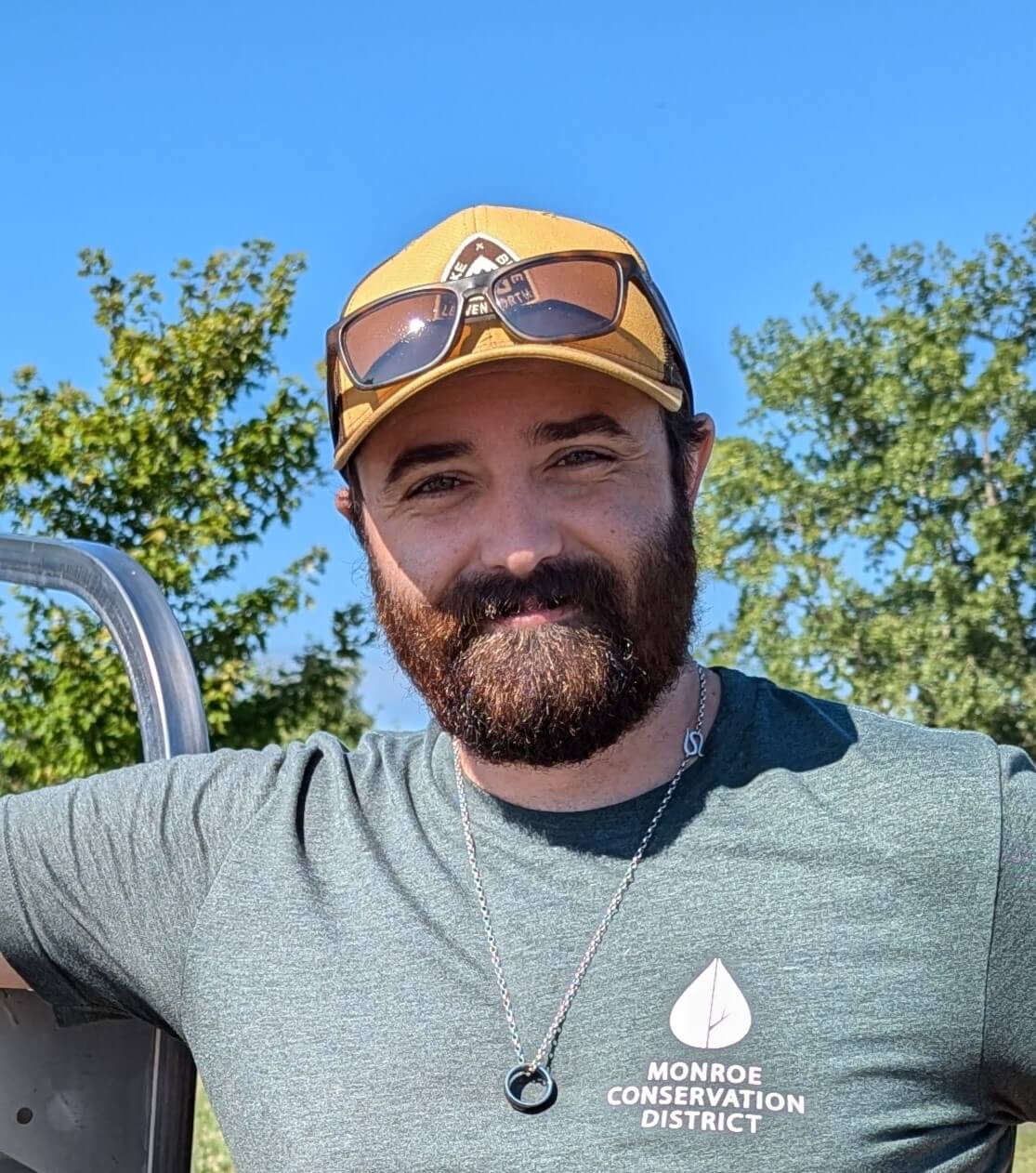
Jackson Cenusa
Jackson Cenusa is the Conservation Specialist at Monroe Conservation District. Jackson has a Bachelor’s of Applied Science in Environmental Conservation from Skagit Valley College and worked in an Environmental Conservation Lab and as a teacher before joining the district.
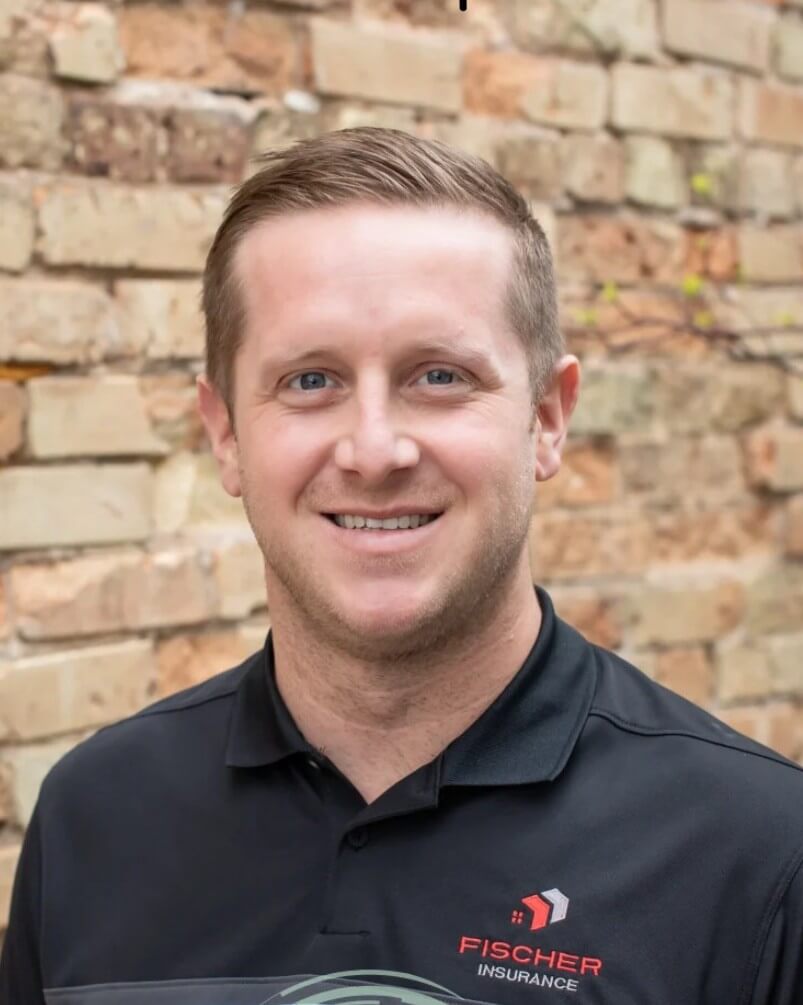
Joe Fischer
Joe Fischer is the representing insurance agent from Fischer Insurance for the MACD Business Insurance Program. With over 10 years of experience supporting conservation districts across the state, the program provides comprehensive and customized insurance solutions designed to meet the unique needs of each district. Joe brings extensive knowledge of risk management and a long-standing commitment to serving Michigan’s Conservation Community.
Melissa Zelenak
Melissa is a lifelong friend of the environment. Her first memory of caring about the planet as a child is taking her little red wagon door to door to collect newspapers from her neighbors to recycle for them. Since then, Melissa remains a die-hard recycler and environmentalist and her career has led her to work with a diverse range of people and organizations.

Mia Mahaney
Mia Mahaney is a strategic executive with expertise in fundraising, marketing, communications, and organizational growth. She has led organizations through expansion by advancing visibility, cultivating networks, and strengthening the systems that sustain impact. In both leadership and consulting roles, Mia is respected for execution and results, aligning organizational vision with strategy to translate ambition into sustainable growth.
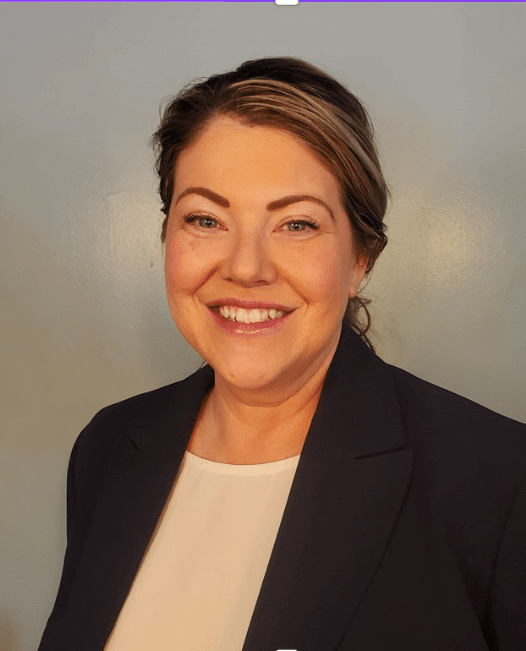
Nicole Frost
Nicole has a B.S. in Forestry from Michigan State University and is a Certified Michigan Public Manager. Prior to joining MFA, Nicole has served in various roles in county administration including clerk, treasurer, and controller. She was also a parks and recreation director for Gratiot County. She lives on a farm in Elwell, Michigan, and is excited to grow MFA in 2025 and beyond.
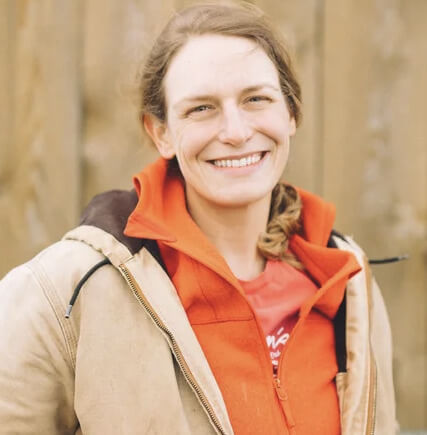
Jill Lada
Jill is an owner at Green Things Farm in Ann Arbor, a certified organic and MEAP verified operation. She has been a TOPP mentor, and is the new Community Engagement Specialist at Washtenaw County Conservation District.
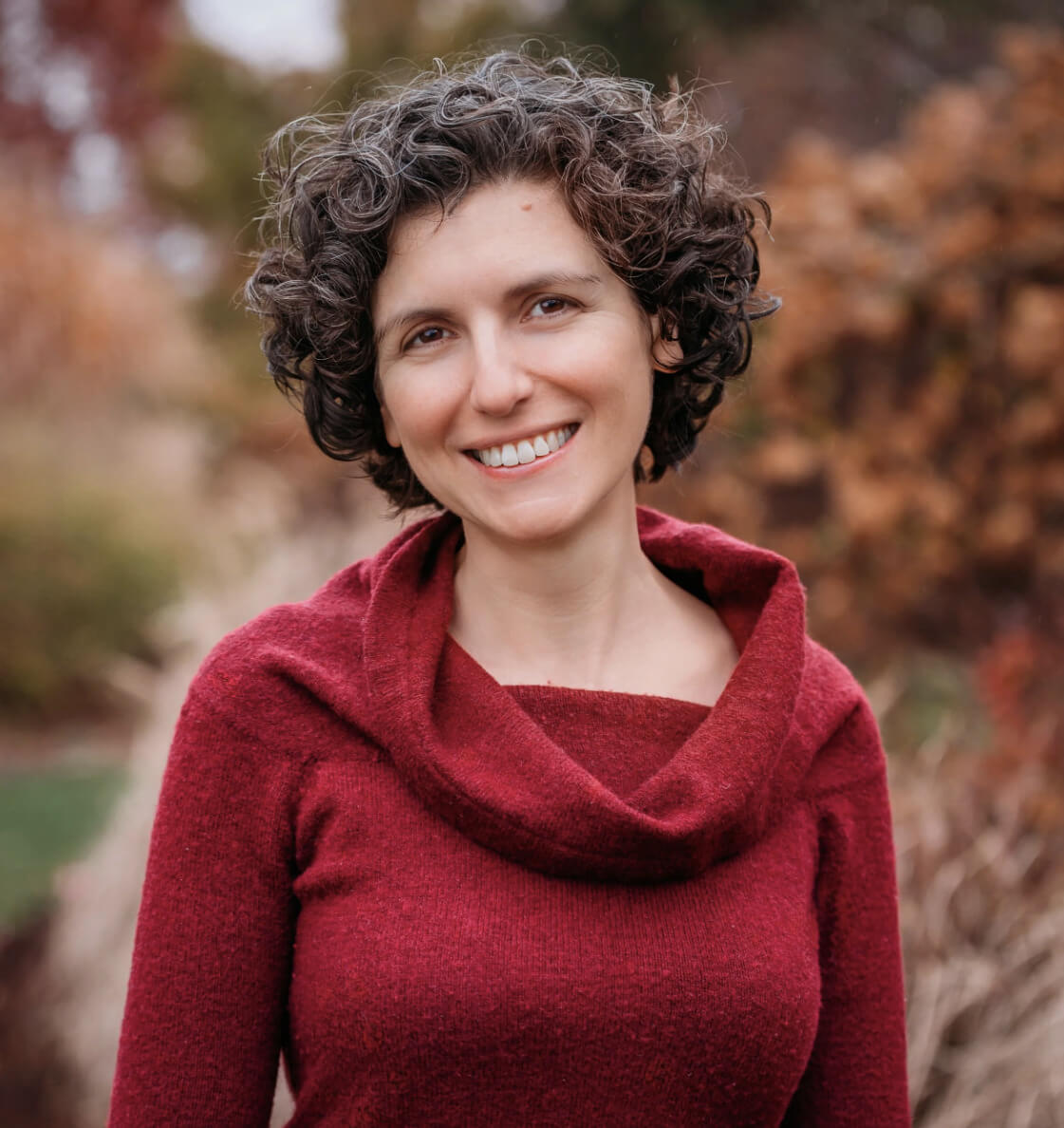
Rachel Cuschieri-Murray
Rachel’s roots in conservation began with collecting seeds and foraging with her dad on the Army bases where she grew up. Rachel attended Eastern Michigan University where she obtained a bachelors degree in Organizational Communication and a master’s degree with a focus in Interpersonal Communication. She worked with schools and businesses in the Detroit suburbs and Mid-Michigan region to incorporate conservation activities. Rachel loves organizing the community around conservation so she was delighted to join the ECD team as Environmental Outreach Coordinator in the Spring of 2022. Rachel was promoted to Executive Director in the Fall of 2022. Rachel lives in Delta Township with her family, where she plants as many varieties of native edibles as she can get her hands on.
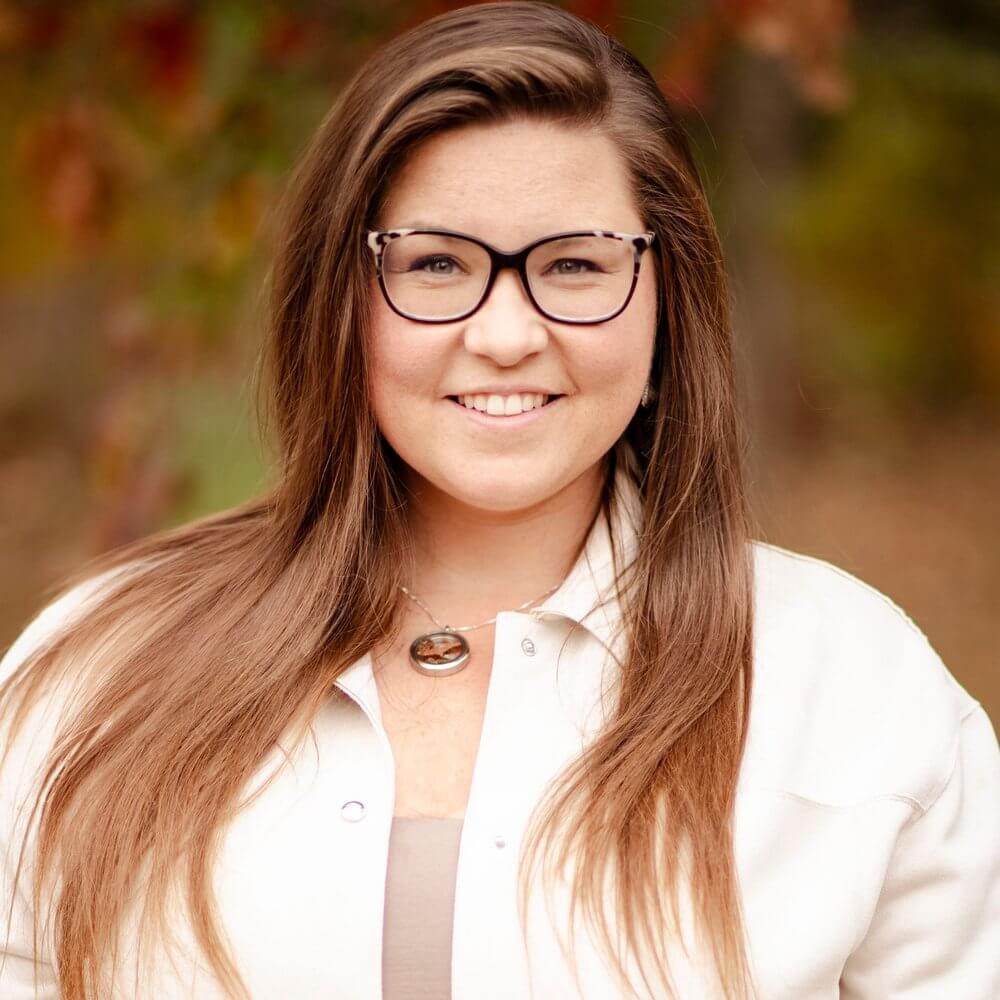
Rachel Straughen
Rachel is a passionate conservationist and wildlife enthusiast from Traverse City with a lifelong love for the outdoors. She holds a degree in Wildlife Ecology and Management from Michigan Technological University and has spent the past six years leading environmental and outdoor education at GTCD, where she serves as the Education Director and Camp Director. She co-chairs the MACD Education Committee alongside Chair Carol Higgins, board member of St. Joseph County Conservation Distrct, and co-authors the committee’s Quarterly Education Newsletter with Erin Horton of the Missaukee Conservation District.
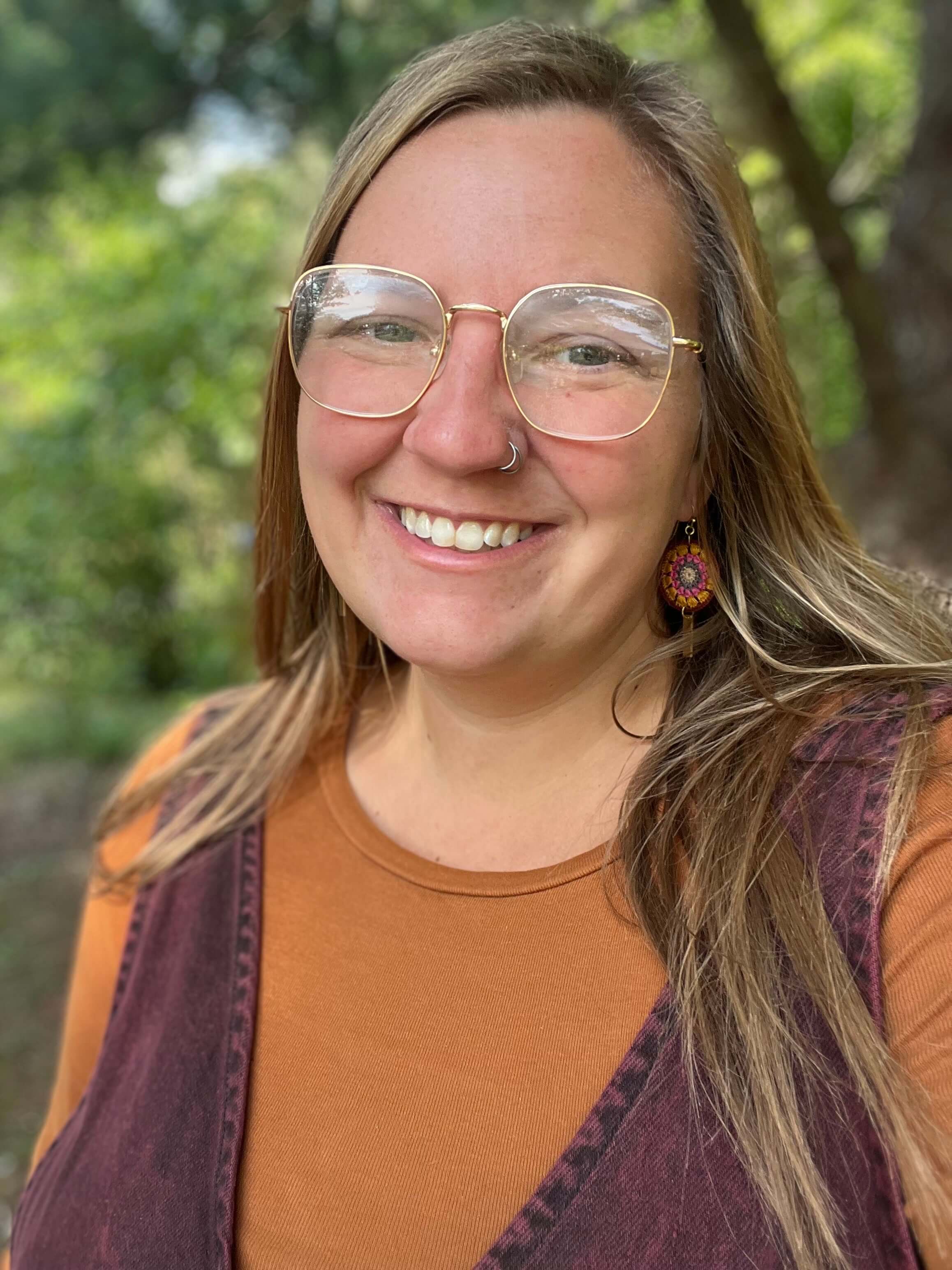
Samantha Otto
Samantha Otto is a first-generation farmer and owner of The Woven Trifecta in West Michigan, a Certified Naturally Grown farm producing vegetables, cut flowers, and fiber. She focuses on no-till practices, rotational grazing, and community-rooted food access. Alongside farming, Samantha is passionate about building community connections to strengthen regional food systems. In addition, Sam is working with programs like MAEAP, Michigan On-Farm Produce Safety, TOPP, and NRCS. She is also the Executive Director of the West Michigan Growers Group, a collaboration of farms using sustainable practices.
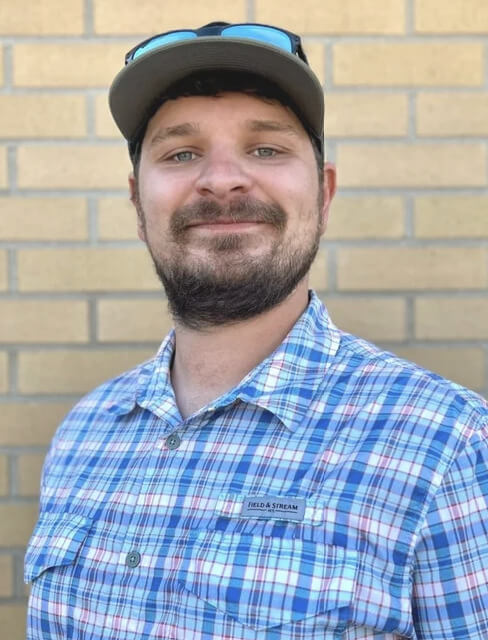
Zach Peklo
Zach Peklo brings over six years of experience working together as fiduciaries and partners in conservation. With years of hands-on collaboration, he has learned how to streamline fiduciary responsibilities, grant reporting, and organizational systems to make the job more manageable. His experience offers attendees practical, field-tested strategies for success.
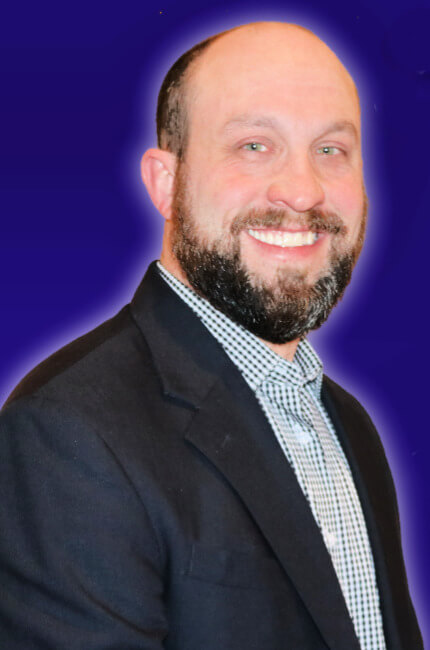
Mike Wozniak
Michael Wozniak, PE, is a Environmental Engineering Specialist with the Michigan Department of Agriculture and Rural Development (MDARD). He leads statewide efforts in evaluating and developing engineering standards and procedures for agricultural infrastructure, including waste and fuel storage systems, drinking water and irrigation wells, concrete and soils investigations, aquaculture systems, and regenerative agriculture practices. Mike also oversees the siting of livestock production facilities under the Michigan Right to Farm program and manages the Conservation Technical Assistance Initiative (CTAI) grant in partnership with USDA NRCS. He holds a Bachelor of Science in Biosystems Engineering from Michigan State University and is a licensed professional engineer. With a deep commitment to sustainable agriculture and environmental stewardship, Mike brings technical expertise and collaborative leadership to support Michigan’s farming communities.
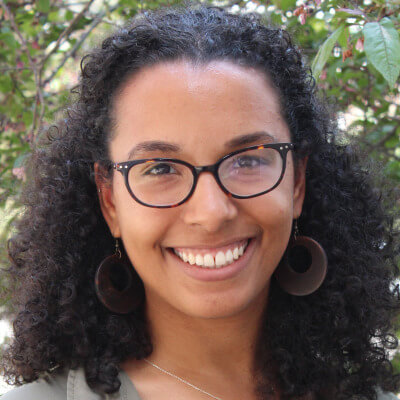
Christine Charles
Christine Charles is a Michigan State University (MSU) Extension educator located at the W. K. Kellogg Biological Station in Hickory Corners. Christine works alongside farmers, other MSU educators, industry partners, and researchers to support and increase the adoption of regenerative practices, like those that improve soil health and weather resiliency, without losing sight of agronomic needs and profitability in Michigan field crop systems. She received her B.S. in Soil Science from Purdue and her M.S. in Environmental Science, with a focus on soil microbiology, from Ohio State.
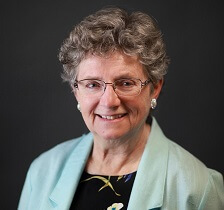
Carol Higgins
Carol served as chair of the SJC Conservation District Board for ten years and she currently remains on the board. She is a member of the Churches Earth Care team, the Friends of the St. Joseph River Board, Mendon Women’s Club, and the SJC Solid Waste Committee. Recently, she has worked with Habitat for Humanity of St. Joseph County to establish the Mendon Housing Initiative with hopes of building a habitat home in Mendon next year.
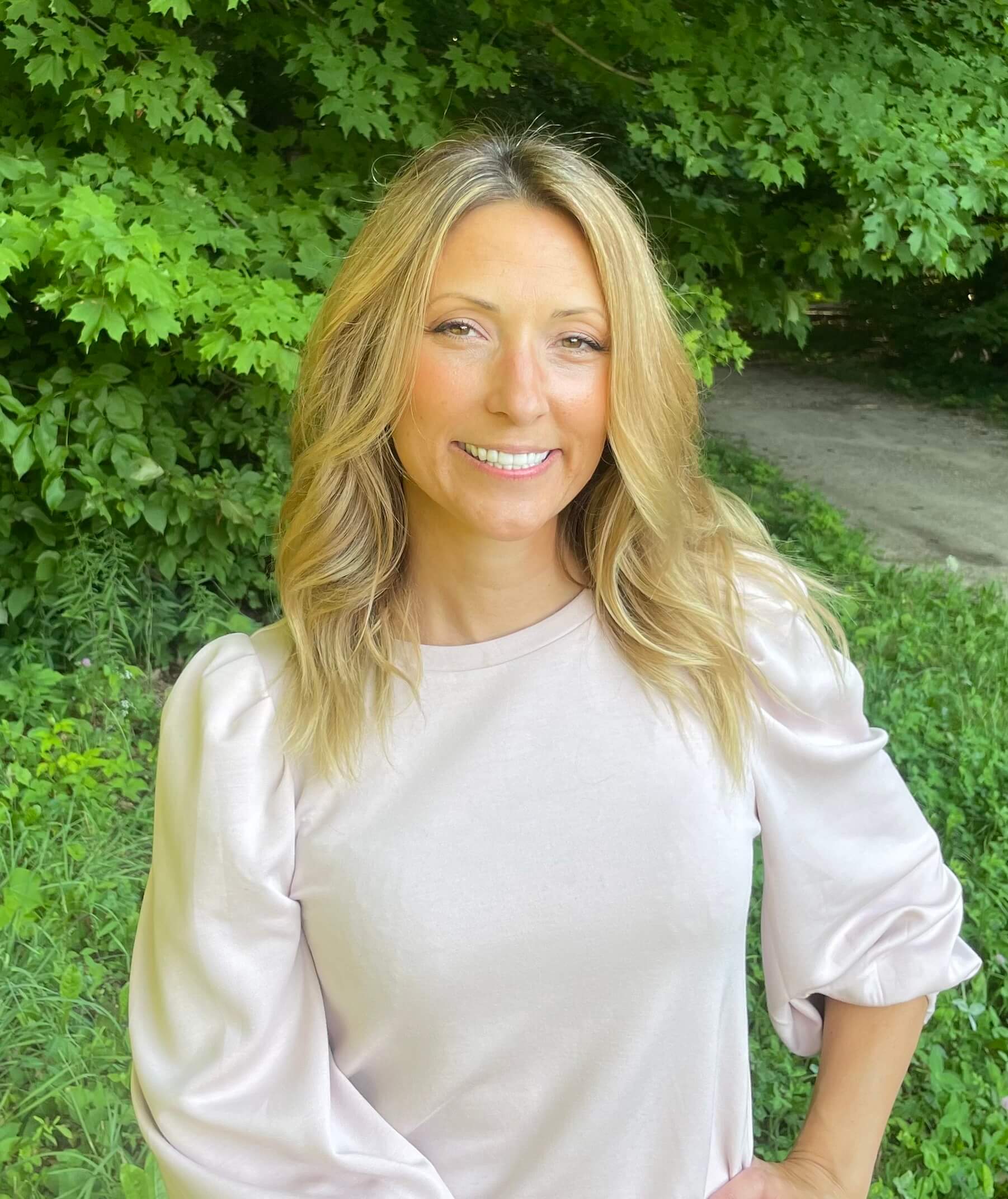
Davina Bryan
Davina Bryan serves as the Michigan and Indiana State Director with Farm-To-Power, where she leads efforts to advance community solutions and strengthen rural communities. With a career rooted in rural advocacy and development, Davina brings expertise in nonprofit fundraising, strategic partnerships, and long-term planning. She is also an active member of several nonprofit collaboratives, working to ensure that community voices are centered in agricultural and energy solutions. Madeleine Krol is the Clean Energy Land Use Specialist at the Graham Sustainability Institute's Center for EmPowering Communities at the University of Michigan. She supports Michigan's rural communities in planning and zoning for utility-scale renewables by developing technical assistance programming for Michigan's State Energy Office in EGLE. Madeleine’s research focuses on land use policy and community impacts of large-scale wind, solar, and energy storage systems.
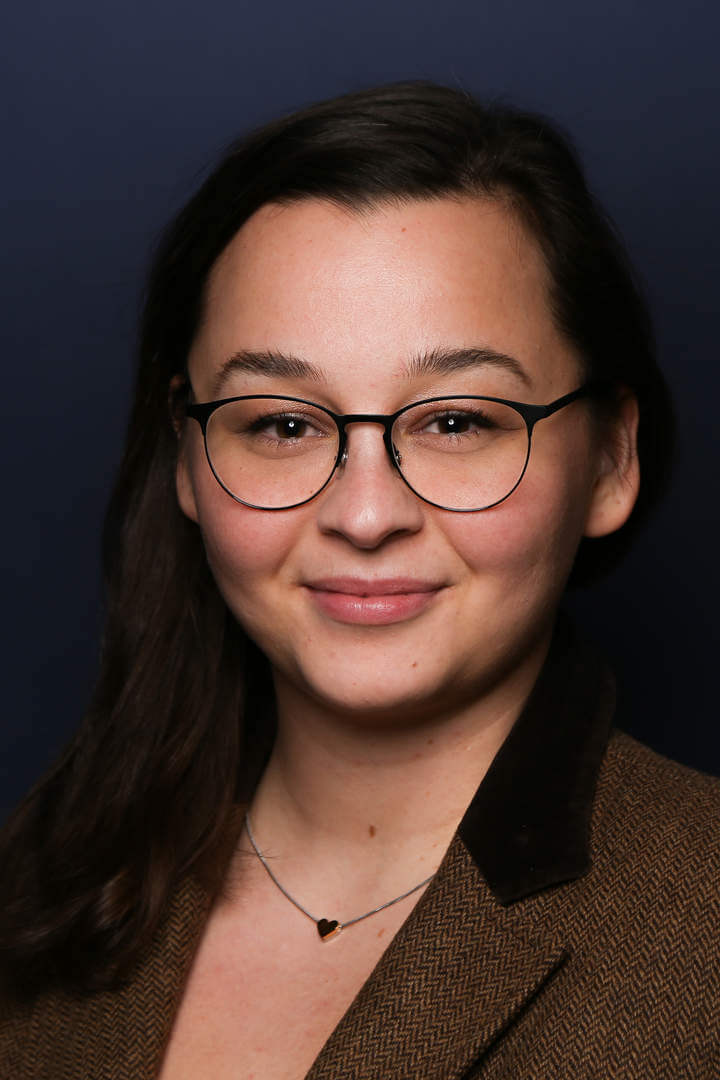
Madeleine Krol
Madeleine Krol is the Clean Energy Land Use Specialist at the Graham Sustainability Institute's Center for EmPowering Communities at the University of Michigan. She supports Michigan's rural communities in planning and zoning for utility-scale renewables by developing technical assistance programming for Michigan's State Energy Office in EGLE. Madeleine’s research focuses on land use policy and community impacts of large-scale wind, solar, and energy storage systems.
John Plichta
John Plichta is the owner of FarmHouse Vineyards, a certified organic winery in Petoskey, MI. John has spent his career in Michigan and Northern California focused on organic food and gardens, construction, apples, and livestock. He is a Green Certified builder and was presented with the 2010 National Green Certified Home of the Year Award. John is certified organic by MOSA for his grapes. He is growing cold hardy grapes and opened a tasting room in 2019. John is also MAEAP verified and is a current TOPP mentor.
Chelsey Lawton
Chelsey Lawton currently serves as the Interim Executive Director at the Muskegon Conservation District, where she oversees and implements a wide range of natural resource projects, including streambank stabilization, dam removal, wetland restoration, and habitat management. A graduate of Grand Valley State University with a Bachelor’s degree in Natural Resources Management, Chelsey has been with MCD for nearly six years. She has secured and managed hundreds of thousands of dollars in grant funding to support conservation, restoration, and water quality improvement efforts across Muskegon County
Justin Sean
Justin Sean is the founder and head cultivator of Great Lakes Mushroom Company, a family-owned gourmet and medicinal mushroom farm based in Norton Shores, Michigan. With over five years of hands-on mushroom cultivation experience, Justin has turned his passion for fungi into a thriving business that supplies mushrooms, tinctures, coffees, and educational workshops across Michigan. In Mushroom Workshop 101, Justin guides participants through four different methods of growing mushrooms at home, from inoculating your own grow bag to understanding how mycelium works. Every attendee will inoculate their own 5lb all-in-one grow kit to take home, enjoy free gourmet mushroom food and coffee, and gain the confidence to start cultivating mushrooms themselves. Justin’s mission is to make mushroom growing simple, sustainable, and fun, while inspiring others to explore the incredible world of fungi. Inspired by his grandmother’s battle with cancer, Justin set out to explore natural alternatives that support wellness and healing. What began as a personal mission to educate others about the benefits of holistic nutrition has grown into a thriving enterprise that cultivates 100% organic gourmet and medicinal mushrooms, including shiitake, lion’s mane, reishi, and more. Since founding Great Lakes Mushroom Company in 2020, Justin and his family have built a sustainable operation that now includes a brick-and-mortar shop and restaurant in Norton Shores, as well as a seasonal location in Montague. Their offerings range from fresh mushrooms and microgreens to cold-pressed juices, mushroom coffee, smoothies, and wholesome meals — all crafted with integrity and care. Driven by a deep commitment to health, community, and education, Justin continues to inspire others to live well and make informed choices about what they put into their bodies.
Karen Thurow
Born and raised in Midland County, Karen's family were farmers in Midland County and vendors of the Midland Farmers market from 1958 to 2018. Karen has been a business manager for over 40 years. A retired farmer and a beekeeper, Karen is responsible for getting the district back to operation after closing down in December of 2012 due to lack of funding. Karen was appointed by the state as a board member in August 2014 has been serving as the Administrator since January 1, 2015. Karen helped the district "save an old barn" and turned it into The Tomlinson Barn Education Center. Karen is passionate about educating on our natural resources and youth education for conservation and agriculture. She is certified in environmental education programs, Project Learning Tree (American Forest Foundation) and Project Wild (Michigan Department of Natural Resources). Karen currently serves on the Coleman Agriscience Advisory Board and Land Lab Planning Committee. She volunteers at Midland Community Television (MCTV) helping them to record and produce shows, her favorites are local school concerts and center for the arts concerts. Loons' games are fun too! She has produced over 18 Conservation Matters Shows that air on MCTV, MCTV YouTube stations. A volunteer at Dahlia Hill, she is currently serving a two-year term as President on the board of directors. and a member of the Chemical City Garden Club. Karen also has a passion for history and historical places and after saving an "Old Barn" is also a member of the Michigan Barn Preservation Network, and member of the Midland Antique Engine Association. (MAEA)
Sam Wallace
Sam Wallace is a technician for the Transition to Organic Partnership Program (TOPP), and works for the Grand Traverse Conservation District (GTCD). With TOPP, Sam provides technical assistance and training opportunities for both certified and transitioning organic farmers. He also coordinates mentorship pairings in Northern, Western, and SW Michigan. Prior to TOPP, Sam was a Soil Conservation Technician for NRCS and Peace Corps Volunteer in Zambia.
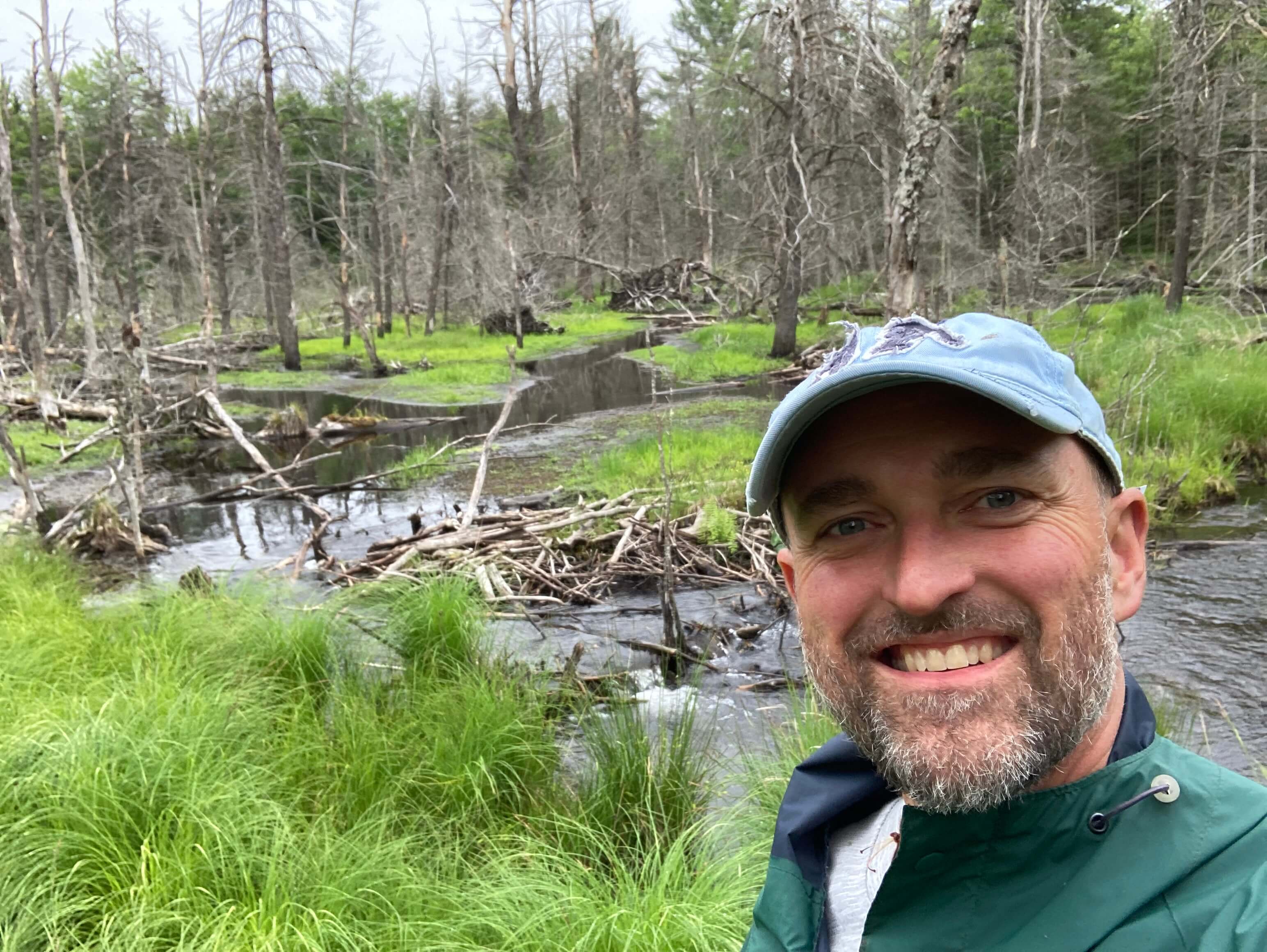
Vic Lane
Vic Lane is the Project Manager for MFA's Forest and Water Fund. Born and raised in the northern lower peninsula of Michigan and then earning a wildlife management degree from MSU, he is proud to serve private forest landowners throughout the state in his new role with MFA. He has 25 years of experience in land stewardship and conservation including previous positions with land conservancies and MDNR. Vic has both passion and experience in land use and management activities to meet innovative conservation goals. He enjoys helping landowners find the resources they need to be good stewards of our forest and water resources.
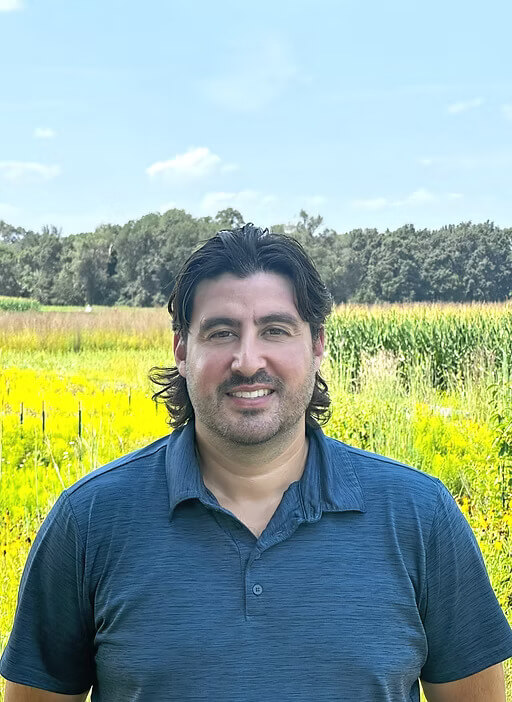
Michael Marinez
Michael is a born and raised Michigander who studied Wildlife Biology at Michigan State University. He is a dedicated hunter, sheep farmer and father. At the Kalamazoo Conservation District Michael is a Conservation Technician working to become a Certified Conservation Planner.
Steve Schaub
Steve works for Tuscola Conservation District and serves as the Chair of the Michigan Envirothon Committee. He has 18 years of experience working with conservation districts in various capacities and about the same amount of time with Michigan Envirothon as a team advisor and resource professional.

Christy Roman
Christy Roman brings over two decades of dedicated service to Michigan’s Conservation Districts. Currently serving as a Regional Coordinator with the Michigan Department of Agriculture and Rural Development (MDARD), Christy has held several roles working with conservation districts. Her leadership journey includes serving as Director of Michigan Envirothon and Training Director for the Michigan Association of Conservation Districts, as well as Executive Director of the Antrim Conservation District. Christy is a graduate of the MSU Great Lakes Leadership Academy’s Leadership Advancement Program, where she later served as Program Coordinator, cultivating leadership across Michigan’s natural resource sectors. She holds a master’s degree in adult learning from Michigan State University and a bachelor’s degree in Recreation Management with a concentration in outdoor education from Olivet College.
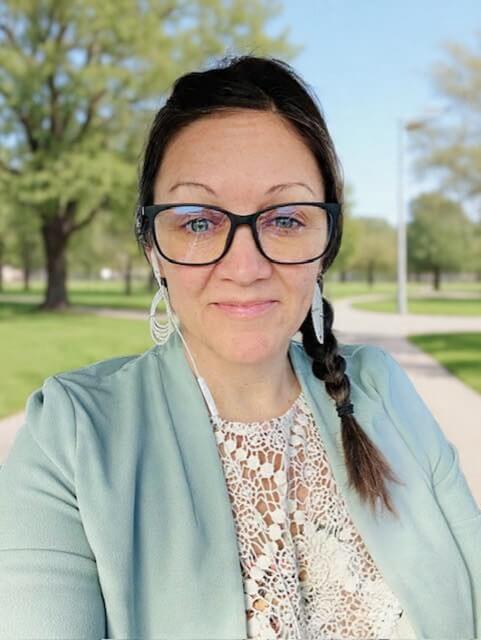
Nadene Berthiaume
Nadene Berthiaume serves as a Regional Coordinator with the Michigan Department of Agriculture and Rural Development (MDARD), where she provides business management, accounting, and operational support to Conservation Districts in southeast Michigan. With more than a decade of experience in education, program management, and accounting, she brings strong leadership, practical business insight, and a passion for supporting locally driven conservation efforts. Nadene and her fiancé, Dallas, enjoy life on their homestead with their blended family of six children, including the newest addition their 7-month-old daughter, Willow. Together, they love hunting, fishing, raising and growing their own food, and tackling outdoor projects that keep everyone learning and connected to the land.
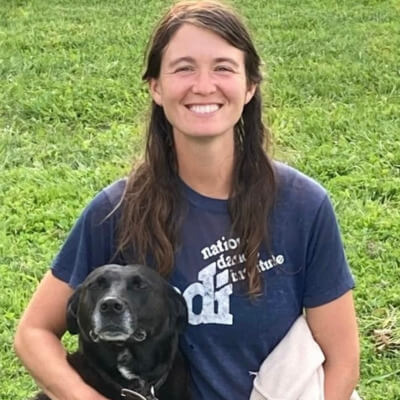
Sarah Longstreth
Sarah Longstreth owns and operates Good Stead Farm, a year-round, Certified Organic and Real Organic verified vegetable farm in Hope, Michigan. She also is a MIFMA Board Member and a current TOPP mentor.
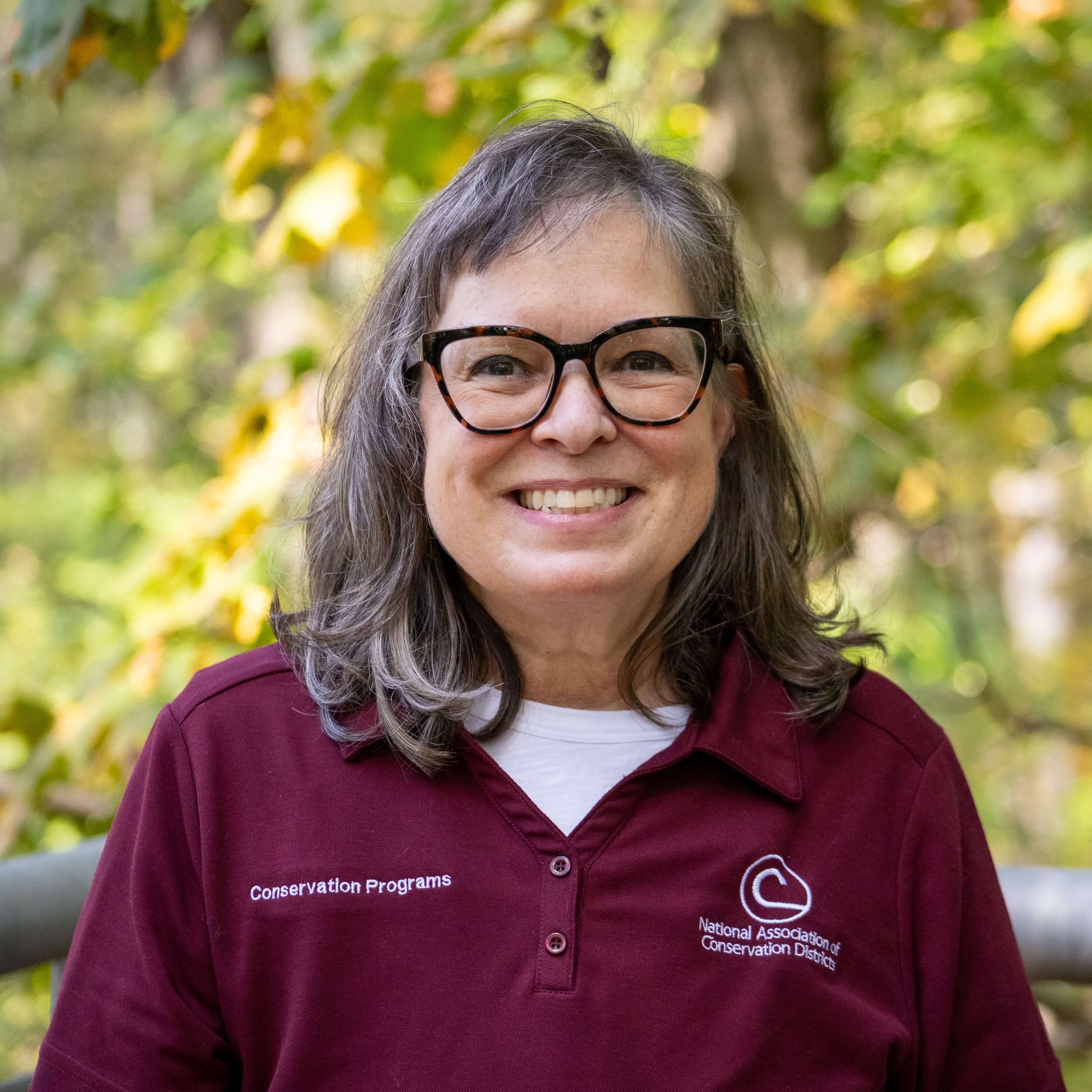
Beth Mason
Beth Mason, NACD North Central Region Representative, has more than 20 years with NACD. As region representative, she works with and assists the eight states in the North Central Region (Illinois, Indiana, Iowa, Michigan, Minnesota, Missouri, Ohio and Wisconsin). While some of her focus is in the Midwest, she works with NACD on a national scale and serves as the lead for the NACD Soil Health Champions Network. She has a Bachelor of Science degree in Public Relations from Illinois State University and is based out of her home office in Indianapolis, IN.
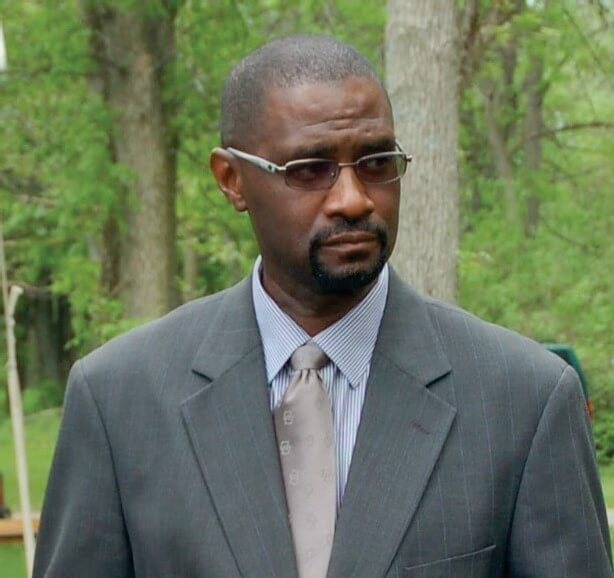
Albert Jones
Area ConservationistAlbert began his career with the Natural Resources Conservation Service (NRCS) in Springfield, Illinois as a Soil Conservationist. He has served as a Watershed Project Manager and a Resource Conservationist, providing planning assistance on an urban watershed planning team in Metro East Illinois. He accepted a District Conservationist position in Albany, Georgia in 1995, providing technical assistance and management leadership to a three-county service area in Southwest Georgia. In 1997, Albert returned to the Midwest where he accepted a District Conservationist position in Harrisonville, Missouri. In that role, he supervised a multi-disciplinary team of professionals on a Service Area Natural Resource Management Team that addressed the unique and critical agriculture/urban resource needs of the metro Kansas City area. Albert was promoted to his current position of Area 4 Conservationist in November 2000, after graduating from the NRCS Regional Leadership Development Program. He also served as acting Director of the Management Services Division under the Deputy for Management at National Headquarters in February of 2011, and as Acting State Conservationist in New York, in 2012. Albert is a graduate of the NRCS Emerging Leaders Development Program. Albert is married and has three children. He and his wife Charlotte, currently reside in Lansing, Michigan.
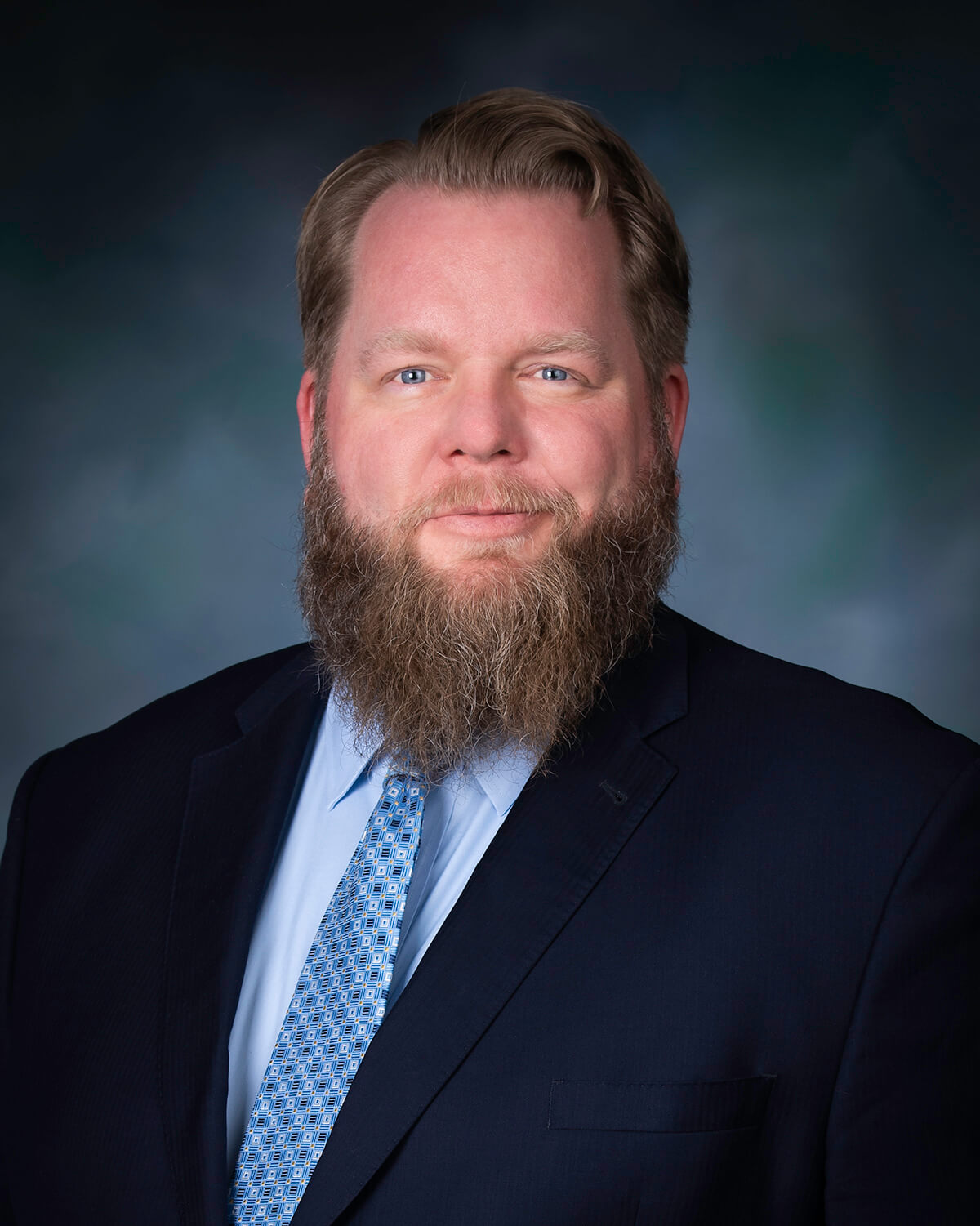
Brad Deacon
Brad Deacon is the Director of the Office of Legal Affairs and the Emergency Management for the Michigan Department of Agriculture and Rural Development. He oversees the department’s coordination of litigation and legal issues with the Office of the Attorney General, tribal relations, public hearings, Freedom of Information Act compliance, and development of regulations. He is also MDARD’s emergency management coordinator, overseeing planning, preparedness, and response activities related to the food and agriculture sector. Brad has served as the State, Local, Tribal, and Territorial Co-Chair for the national Food and Agriculture Government Coordinating Council, and currently serves on the Board of Directors for the Association of Food and Drug Officials. Brad’s undergraduate and law degrees are from Michigan State University, and he is also a professor at MSU College of Law teaching Agriculture Law.
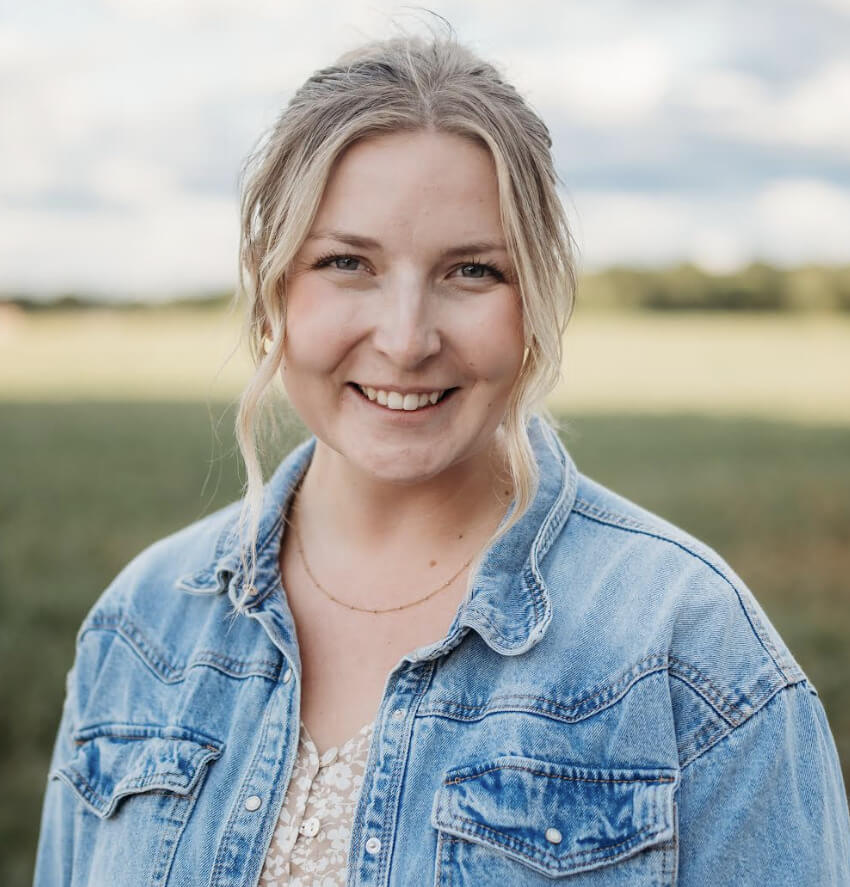
Hailey Gilbert
Working to share the story of Michigan agriculture through commodity and agribusiness partnerships and collaborative efforts.

Adam Reimer
Adam Reimer is the outreach and evaluation scientist at the National Wildlife Federation. Adam has spent two decades helping to support farmer-led soil and water conservation through research and outreach. After training in wildlife ecology and management, he spent a decade researching agricultural conservation decision- making at Purdue University and Michigan State University. At NWF, he helps support farmer-led conservation outreach throughout the Midwest by applying social and behavioral sciences to develop communication strategies.
Heather Hart
Heather Hart has been the District Administrator at Saginaw Conservation District since 2022. She holds a Bachelor’s Degree in Business Administration from Northwood University and has over 25 years of experience in accounting and purchasing. Under her tutelage, SCD has grown by adding the Consulting Foresters and Twilight Grower Gathering programs. Heather owns and operates Wild Hart Acres, a micro farm that grows microgreens and cut flowers. What began as a project in sharing abundant garden harvest with neighbors became a mission to see the community thrive with healthy food at its center. She currently serves on the Board of Directors of the Saginaw Community Food Club, a membership grocery store with an innovative approach to food security that prioritizes choice, participation, and access to healthy foods. Heather is a certified garden coach who encourages self-reliance and independence from industrial food.
Brittany Santure
Jackson District Office, Technical Assistance