
Michigan Conservation Stewardship for Farmers Project (MCSFP)
Direct support for practical, on-farm improvements
The Michigan Conservation Stewardship for Farmers Project (MCSFP) is a relaunched cost-share program led by the Michigan Association of Conservation Districts (MACD) and local partners.
Formerly known as the Michigan Climate Smart Farms Project, MCSFP has been redesigned to put more resources directly into farmers’ hands. The relaunch shifts funding away from impact tracking, verification programs, and administrative overhead and toward direct payments for on-farm investments that improve farm viability and resilience.
Current Program Status
MCSFP has launched and is now actively:
- (Re)hiring and onboarding program staff
- Finalizing regional funding allocations
- Updating cost-share guidance and application materials
Farmer enrollment is expected to open in Spring, 2026, on a rolling basis. This page will serve as the primary source for updates as timelines and materials are finalized.
What’s Different This Time
The relaunched MCSFP reflects changes in federal administration priorities.
What’s changed:
- More funding goes directly to farmers through cost-share payments
- Less emphasis on measuring and reporting impacts
- Lean staffing, with savings redirected to on-farm investments
The goal is simple: fewer hoops, clearer expectations, and more dollars invested on farms.
Who the Program Is For
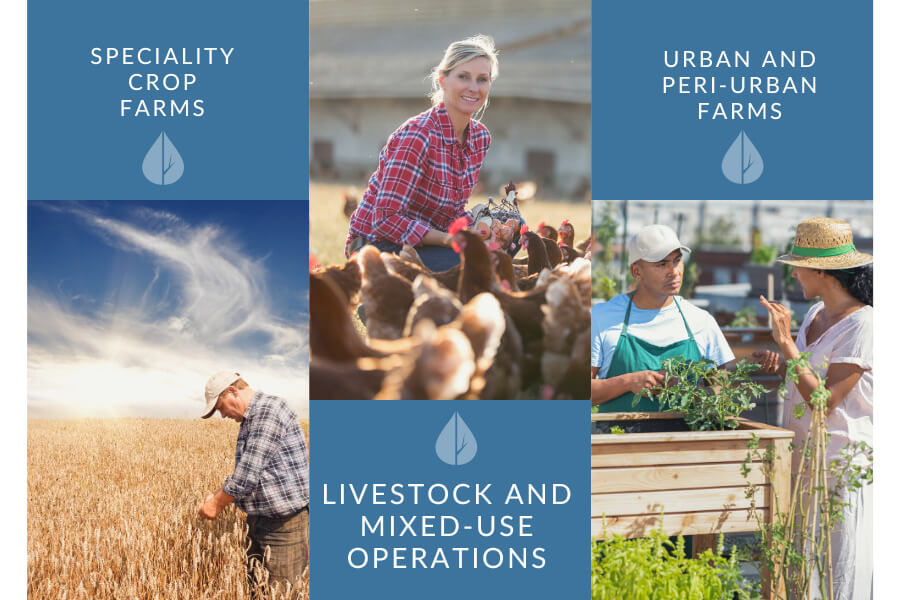
MCSFP is designed to support small and mid-sized farms, including:
- Specialty crop farms
- Livestock and mixed-use operations
- Urban and peri-urban farms
Priority will be given to producers who are historically underserved and those seeking practical improvements that reduce risk, improve efficiency, or strengthen long-term farm viability, however any farm in good standing with the FSA can apply and will be considered.
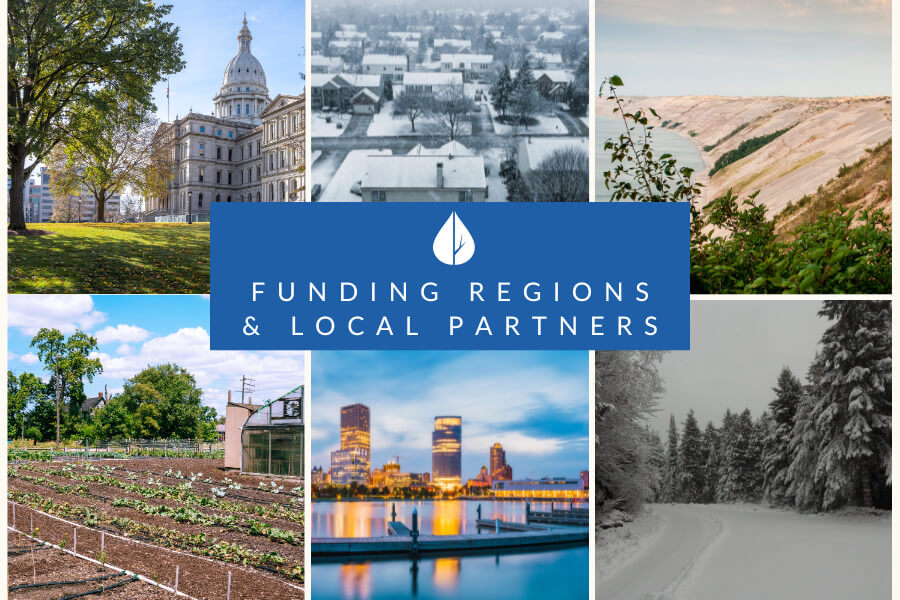
Funding Regions & Local Partners
Cost-share funding will be available to farmers in the following regions:
- Washtenaw County
- Monroe County
- Lenawee County
- Hillsdale County
- Detroit and surrounding communities (through Keep Growing Detroit)
Select a County to Learn More

MCSFP is delivered locally. Farmers are encouraged to connect with the point person serving their area:
- Lenawee County: Allegra Baird— Lenawee County Conservation District
- Monroe County: Jackson Cenusa — Monroe County Conservation District
- Washtenaw County: Megan Phillips Goldenberg — Washtenaw County Conservation District
- Hillsdale County: Brady Hess — Hillsdale County Conservation District
- Detroit / Urban Farms: Kido Pielack — Keep Growing Detroit
Local staff will provide outreach, application support, and technical assistance throughout the process.
What Types of Projects Will Be Supported?
Final eligibility details will be released closer to enrollment, but supported projects are expected to include practical, on-farm improvements, such as:
- Soil and water management practices
- Infrastructure and operational upgrades
- Energy efficiency improvements
- Other farm-specific investments that strengthen resilience and reduce risk
The focus is on implementation, not extensive data collection or reporting.
What Farmers Can Do Now to Prepare
Even though applications are not yet open, there are several steps farmers can take now to be ready when enrollment begins.
1. Get Or Confirm Your Farm Number

To be eligible, farmers must have a USDA Farm Service Agency (FSA) farm number.
If you’re new to USDA programs or unsure whether you already have one, this resource explains why a farm number is needed and how to get one:
 https://www.rafiusa.org/events/farm-number/
Local Conservation District staff can also help answer questions about FSA registration.
2. Start Thinking About On-Farm Investments

If you’re not sure where to start, the Regenerative Farm Resilience Guide is a farmer-friendly resource that walks through common challenges and improvement ideas related to soil, water, infrastructure, and farm operations.
It can help you:
- Identify project ideas that fit your farm
- Think through priorities for the next few seasons
- Prepare stronger cost-share applications
3. Gather Basic Information

Many cost-share programs require:
- Proof of land access or control
- Basic farm business information
- Rough cost estimates for materials or labor
You don’t need formal bids yet, but having this information ready will make the application process smoother.
4. Connect With Your Local Contact

Reaching out early allows staff to:
- Answer eligibility questions
- Help refine project ideas
- Share updates as soon as applications open
Program Contact
For general questions about the Michigan Conservation Stewardship for Farmers Project:
Megan Phillips Goldenberg (she/her)
Development Manager
Washtenaw County Conservation District
Email: goldenbergm@washtenawcd.org
Phone: 734-302-8715
Farmers are encouraged to contact their regional point person listed above for local guidance.
Stay Connected
This page is the new home for the Michigan Conservation Stewardship for Farmers Project.
The former website, miclimatesmart.org, now directs visitors here.
Check back for:
- Enrollment timelines
- Application materials
- Cost-share guidance
- Program updates

Funding Acknowledgement
This material is based upon work supported by the U.S. Department of Agriculture, under agreement number NR233A750004G081.
Any opinions, findings, conclusions, or recommendations expressed are those of the author(s) and do not necessarily reflect the views of the U.S. Department of Agriculture. References to specific products or services do not constitute or imply endorsement.
USDA is an equal opportunity provider, employer, and lender.