MACD Programs
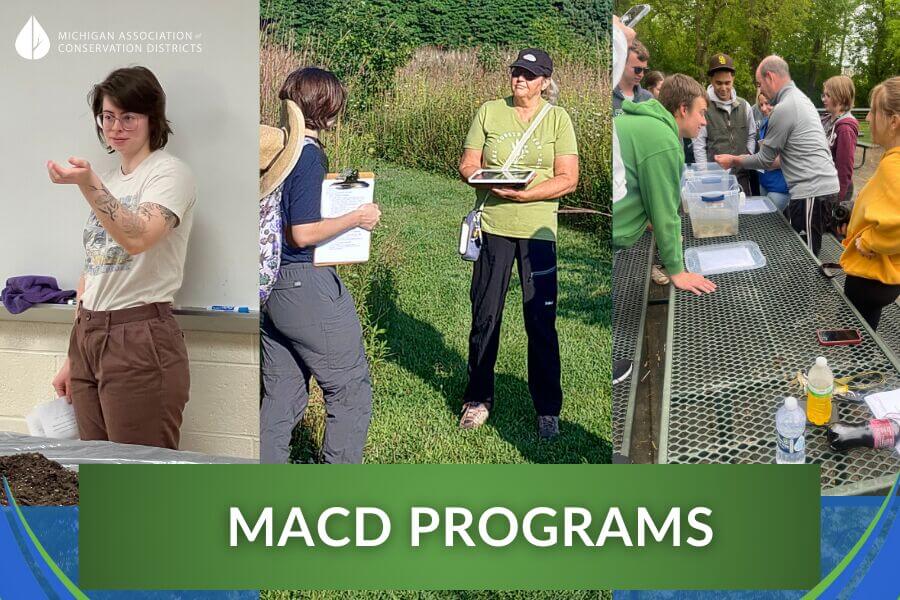
The Michigan Association of Conservation Districts (MACD) supports and advances programs that strengthen natural resource stewardship, landowner engagement, and environmental education across the state. These programs are developed in partnership with local Conservation Districts and are rooted in collaboration, innovation, and community leadership.
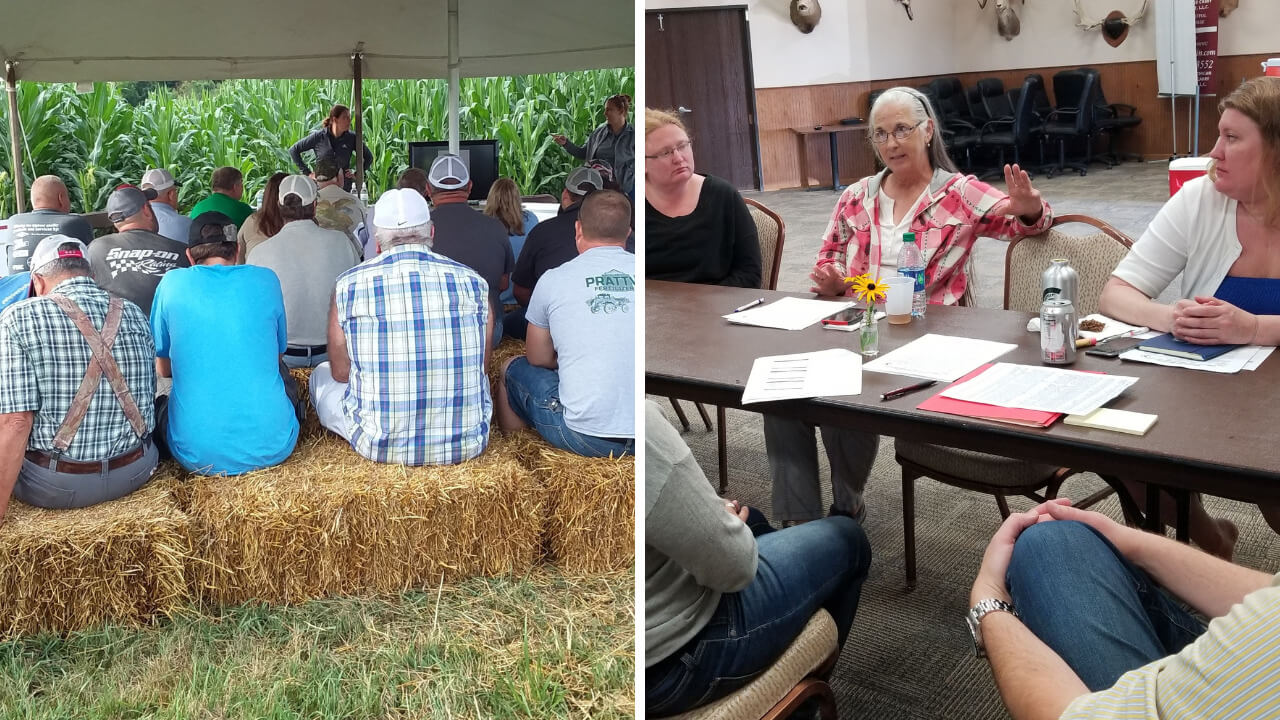
We support networks of farmers working together to improve soil health and water quality in their local watersheds. These peer-to-peer groups foster practical, locally led conservation solutions through shared knowledge, demonstration projects, and resource coordination.
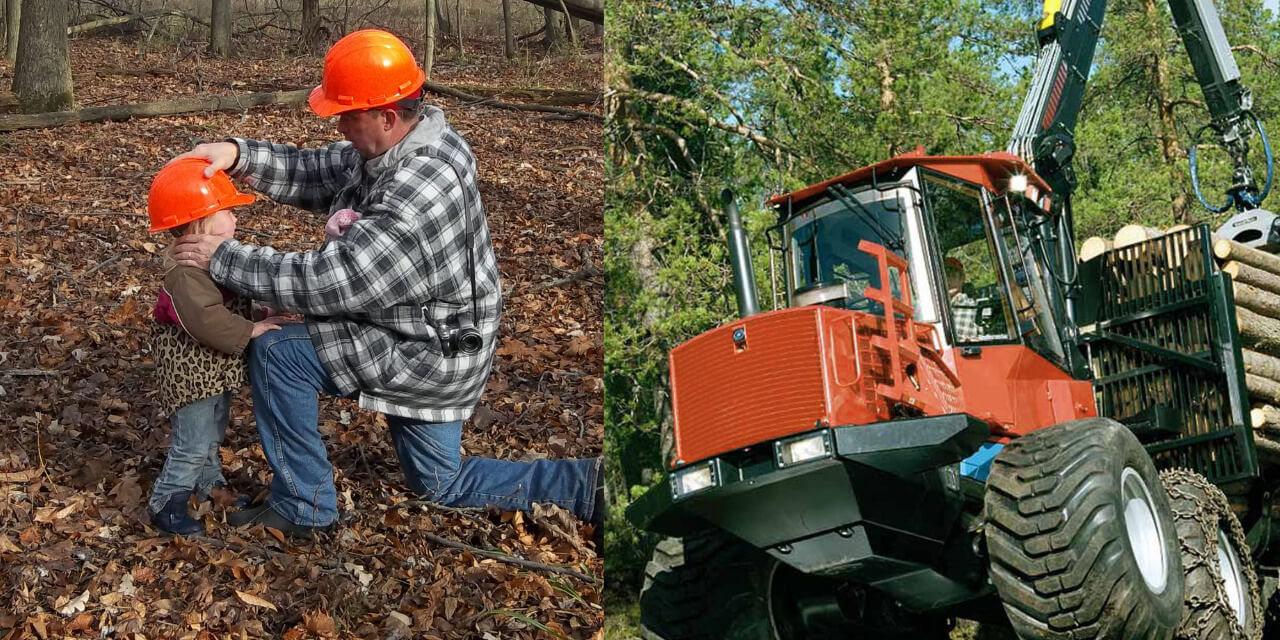
Through federal IRA funding, MACD helps Conservation Districts expand technical assistance capacity and deliver climate-smart practices on working lands. This includes staff support, training, and tools to implement high-impact conservation projects at the ground level.
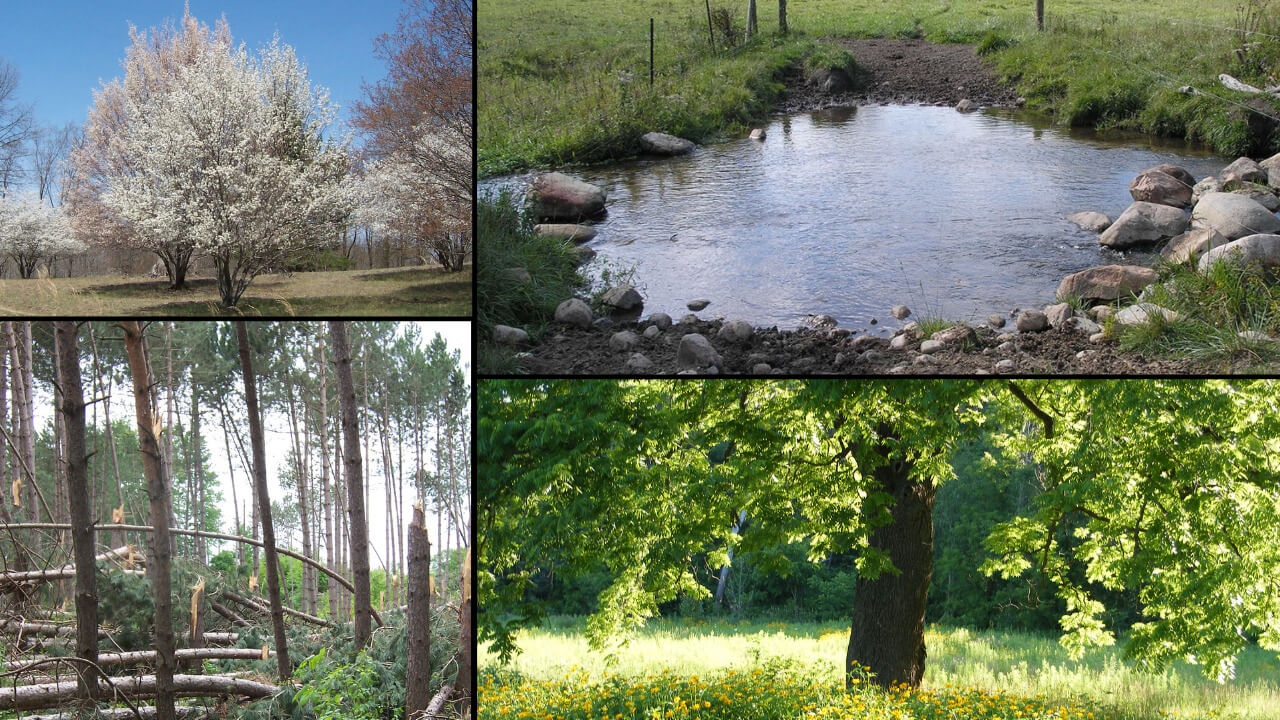
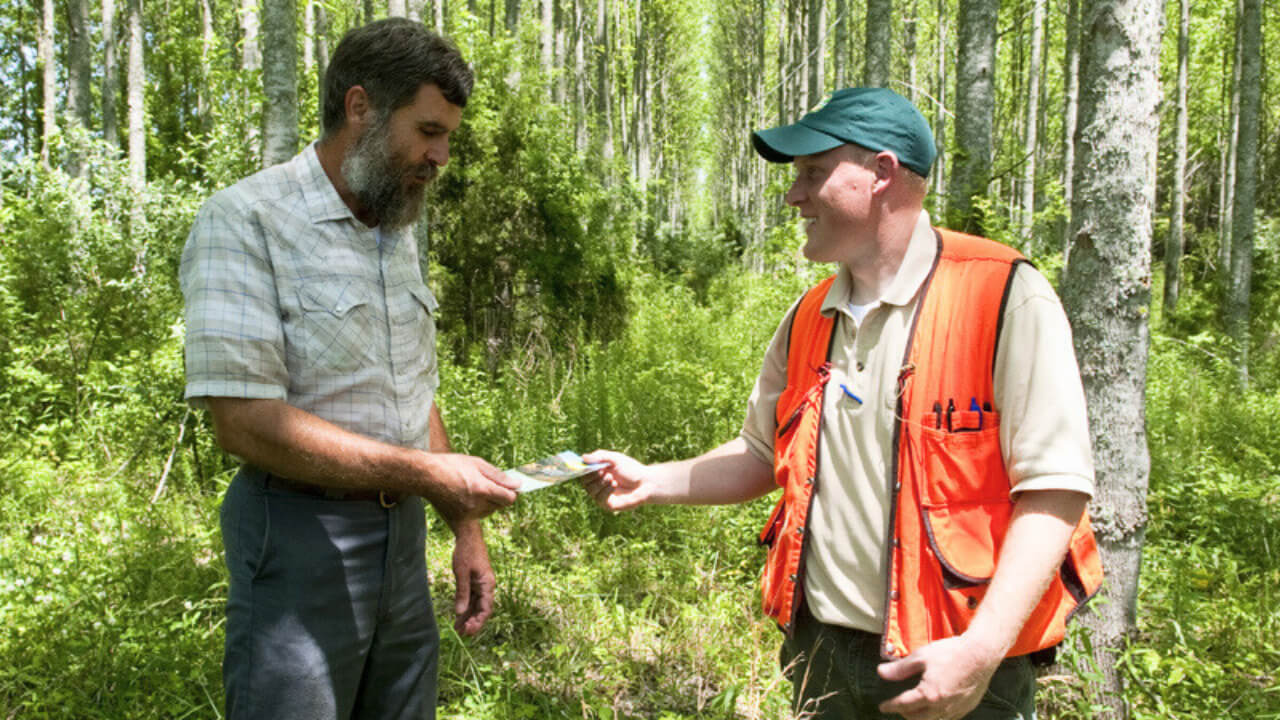
The Forest Carbon and Water Fund provides $6.4 million in cost-share reimbursement to support underserved and small family forest landowners across Michigan. The program funds conservation practices like ecological tree planting, prescribed fire, and forest health treatments—boosting carbon storage, improving water quality, and restoring habitat. Participants receive expert guidance to plan and implement projects that benefit both the land and future generations.
MIFarmLink connects landowners with beginning farmers and conservation-minded stewards to ensure Michigan farmland remains productive, sustainable, and rooted in local communities. This program helps facilitate secure, long-term land transitions and access for the next generation of land managers.
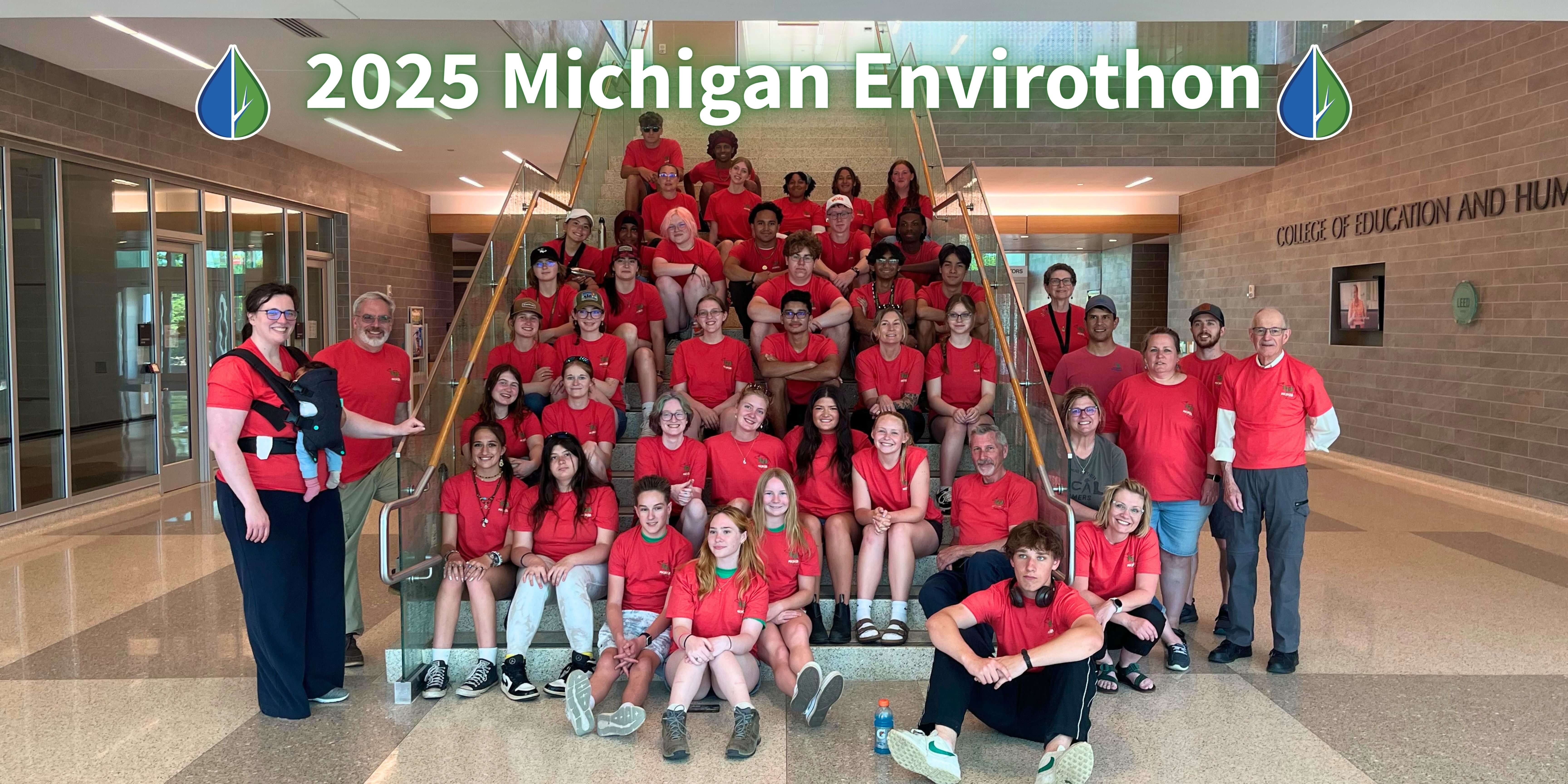
Envirothon is a statewide environmental education competition for high school students. Through hands-on learning and teamwork, students explore topics like forestry, soils, water, wildlife, and a current environmental issue—developing leadership and science skills along the way. Winning teams advance to compete at the international NCF-Envirothon.

MACD offers helpful educational resources to help you bring conservation into the classroom. From soil health and forestry to water stewardship and wildlife habitat, our lesson plans and activities give teachers practical tools to inspire the next generation of land stewards.
MCSFP provides direct financial support to producers in Southeast Michigan to implement conservation and marketing practices that improve farm viability. With 65% of grant funding going directly to farmers, this project reduces the financial hurdles of land stewardship. Whether you're looking to enhance soil health or scale your climate-smart marketing, MCSFP offers the technical and financial bridge to help your business and land thrive together.
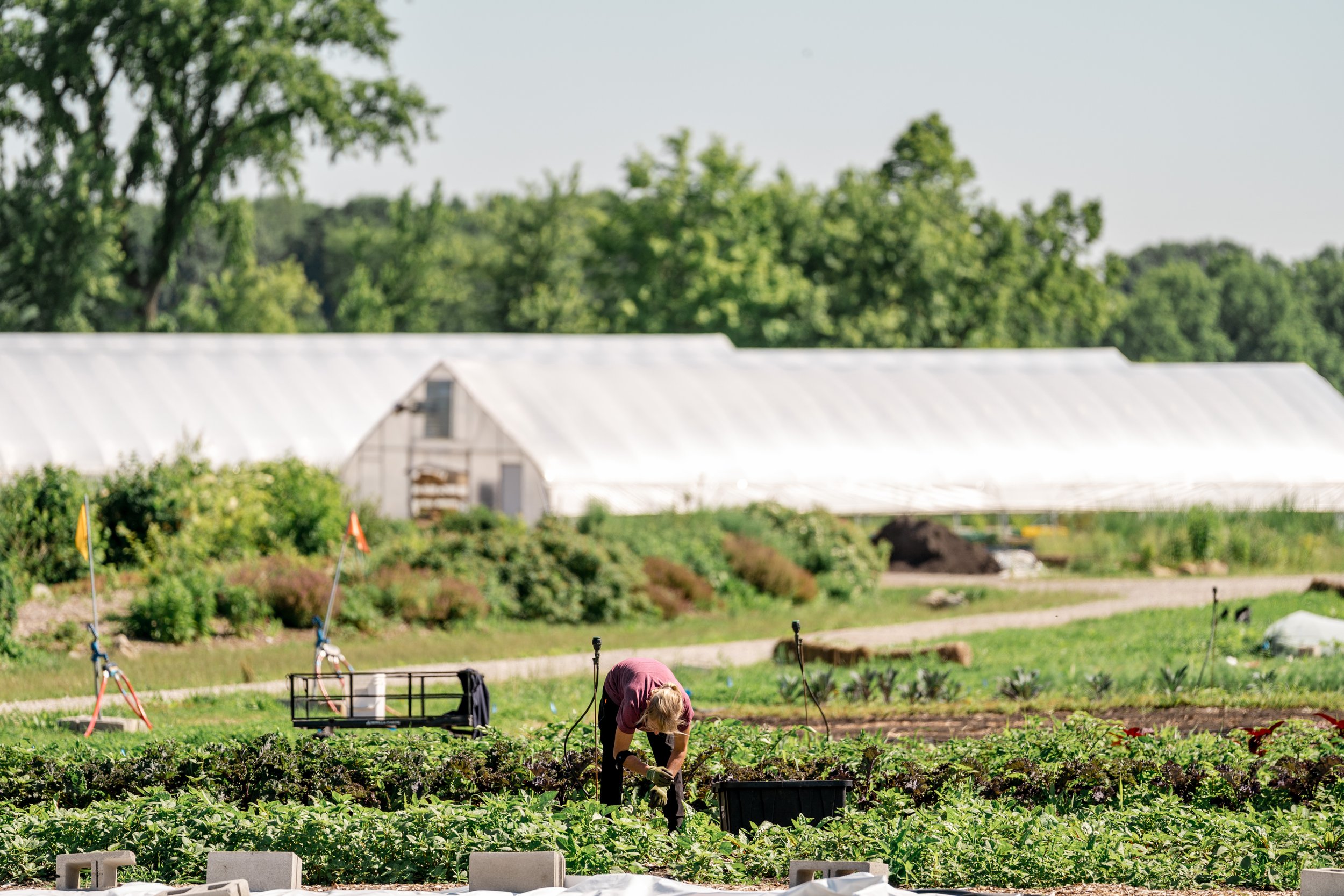
Collaborating for Impact
All MACD programs are made possible through strong partnerships with local Conservation Districts, USDA-NRCS, MDARD, educators, and community stakeholders across Michigan.
Explore how these initiatives are building a more resilient, informed, and sustainable future—one relationship at a time.