Skip to content

Michigan Conservation Stewardship for Farmers Project (MCSFP)
MCSFP Logo Resized_horizontol_whitebackground_2026

Direct support for practical, on-farm improvements

The Michigan Conservation Stewardship for Farmers Project (MCSFP) is a relaunched cost-share program led by the Michigan Association of Conservation Districts (MACD) and local partners.

Formerly known as the Michigan Climate Smart Farms Project, MCSFP has been redesigned to put more resources directly into farmers’ hands. The relaunch shifts funding away from impact tracking, verification programs, and administrative overhead and toward direct payments for on-farm investments that improve farm viability and resilience.
Current Program Status

MCSFP has launched and is now actively updating cost-share guidance and application materials.

Farmer enrollment is expected to open in Spring, 2026, on a rolling basis. This page will serve as the primary source for updates as timelines and materials are finalized.

TLD_15.jpg?format=1000w
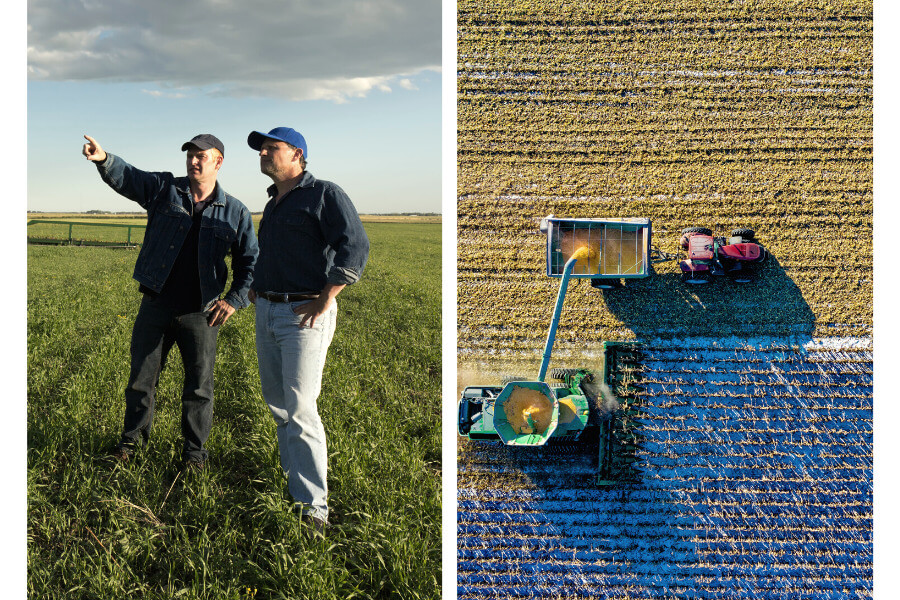
A two-panel photo showing two farmers in denim and caps standing in a lush green field on the left, and an aerial view of a red combine harvester collecting corn in a harvested field on the right.

What’s Different This Time

The relaunched MCSFP reflects changes in federal administration priorities. 

What’s changed:

  • More funding goes directly to farmers through cost-share payments
  • Less emphasis on measuring and reporting impacts
  • Lean staffing, with savings redirected to on-farm investments

The goal is simple: fewer hoops, clearer expectations, and more dollars invested on farms.

Who the Program is for
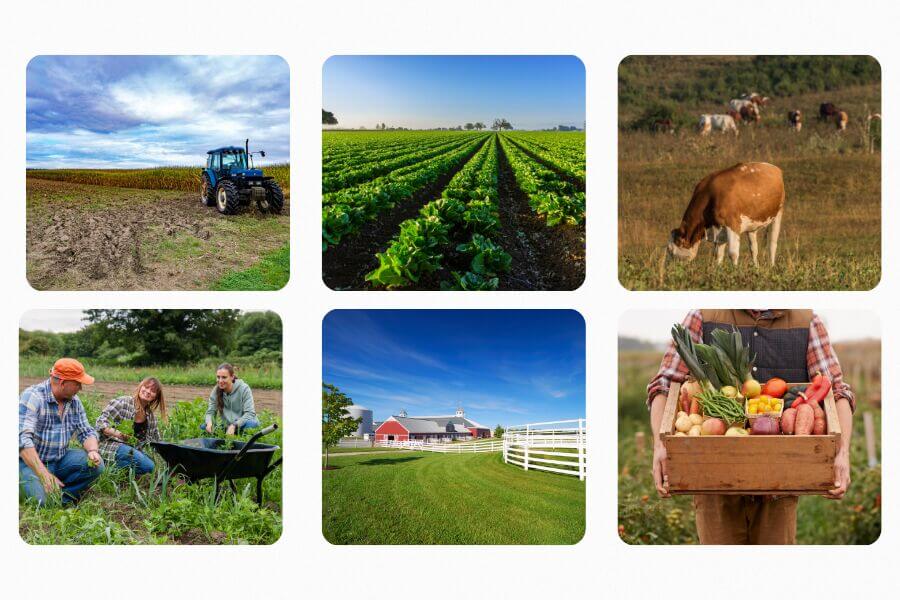
MCSFP Farm Collage representing MCSFP farmer support

MCSFP is designed to support farms of all scales and scopes.

Priority will be given to those seeking practical improvements that reduce risk, improve efficiency, or strengthen long-term farm viability, however any farm in good standing with the FSA can apply and will be considered.  
A 6-pane photo collage of Michigan landscapes (Capitol building, snowy street, sand dunes, farm field, city skyline, and winter woods) with a blue central banner.

Funding Regions & Local Partners

Select a County to Learn More

Michigan Cost-Share Funding Program

Local staff provide outreach, application support, and technical assistance throughout the process.
What Types of Projects Will Be Supported?

Final eligibility details will be released closer to enrollment, but supported projects are expected to include practical, on-farm improvements, such as:

  • Soil and water management practices
  • Infrastructure and operational upgrades
  • Energy efficiency improvements
  • Other farm-specific investments that strengthen resilience and reduce risk

The focus is on implementation, not extensive data collection or reporting.

What Farmers Can Do Now to Prepare

Even though applications are not yet open, there are several steps farmers can take now to be ready when enrollment begins.

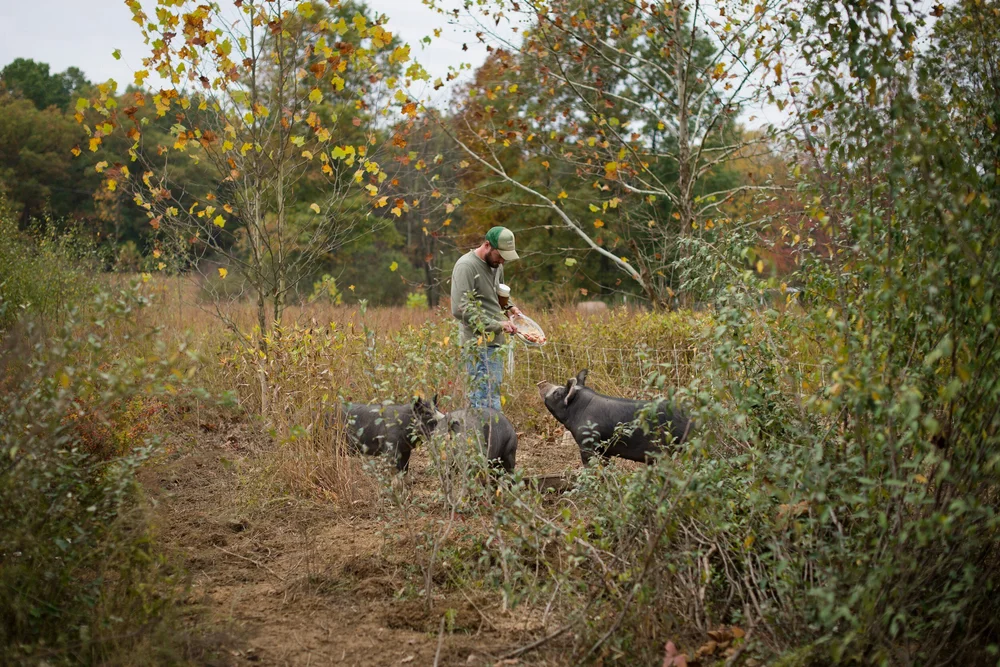
MCSFP conservationist feeding hogs

1. Get Or Confirm Your Farm Number

A blue circular contact icon with a white telephone handset symbol on a transparent background. Used to indicate direct support and technical assistance for the Michigan Conservation Stewardship for Farmers Project (MCSFP).

To be eligible, farmers must have a USDA Farm Service Agency (FSA) farm number.

If you’re new to USDA programs or unsure whether you already have one, this resource explains why a farm number is needed and how to get one:

*Local Conservation District staff can also help answer questions about FSA registration.*

2. Start Thinking About On-Farm Investments

A blue vector outline icon of a farm tractor on a transparent background, used as a brand element for the Michigan Conservation Stewardship for Farmers Project (MCSFP).

If you’re not sure where to start, the Regenerative Farm Resilience Guide is a farmer-friendly resource that walks through common challenges and improvement ideas related to soil, water, infrastructure, and farm operations.

It can help you:

  • Identify project ideas that fit your farm
  • Think through priorities for the next few seasons
  • Prepare stronger cost-share applications

3. Gather
Basic Information

Based on the Media Library (ID: 57554), here is the evergreen metadata for the MCSFP Stewardship & Funding badge. This .png is a stylized, hexagonal line-art badge featuring several icons within a single frame: raindrops/seeds, waves (water), and a person wearing a wide-brimmed hat, all positioned above two cradling hands. It serves as a symbolic program seal for the Michigan Conservation Stewardship for Farmers Project (MCSFP). Optimized Backend Metadata Alternative Text: > A blue hexagonal line-art badge containing icons for water conservation, seeds, and a farmer, supported by two open hands. Used as the official program seal for the Michigan Conservation Stewardship for Farmers Project (MCSFP).

Many cost-share programs require:

  • Proof of land access or control
  • Basic farm business information
  • Rough cost estimates for materials or labor

You don’t need formal bids yet, but having this information ready will make the application process smoother.

4. Connect With Your Local Contact

A blue circular information icon with a white "i" symbol on a transparent background, used for the Michigan Conservation Stewardship for Farmers Project (MCSFP) funding preparation resources.

Reaching out early allows staff to:

  • Answer eligibility questions
  • Help refine project ideas
  • Share updates as soon as applications open

Program Contact

For general questions about the Michigan Conservation Stewardship for Farmers Project:

Alex Cacciari (she/her)
Farmer Programs Specialist
alex.cacciari@macd.org

Phone: 734 604 2820

Farmers are encouraged to contact their regional point person listed above for local guidance.

alex.jpg?h=cb0a9405&itok=C3Ne9E6D

Stay Connected

This page is the new home for the Michigan Conservation Stewardship for Farmers Project.
The former website, miclimatesmart.org, now directs visitors here.

Check back for:

  • Enrollment timelines
  • Application materials
  • Cost-share guidance
  • Program updates

Funding Acknowledgement

This material is based upon work supported by the U.S. Department of Agriculture, under agreement number NR233A750004G081.

Any opinions, findings, conclusions, or recommendations expressed are those of the author(s) and do not necessarily reflect the views of the U.S. Department of Agriculture. References to specific products or services do not constitute or imply endorsement.

USDA is an equal opportunity provider, employer, and lender.

Close-up of a farmer's boots walking through a sunlit corn field at sunset, kicking up a small cloud of dust.
Scroll To Top