
2026 MACD Annual Conference
Featured Speakers
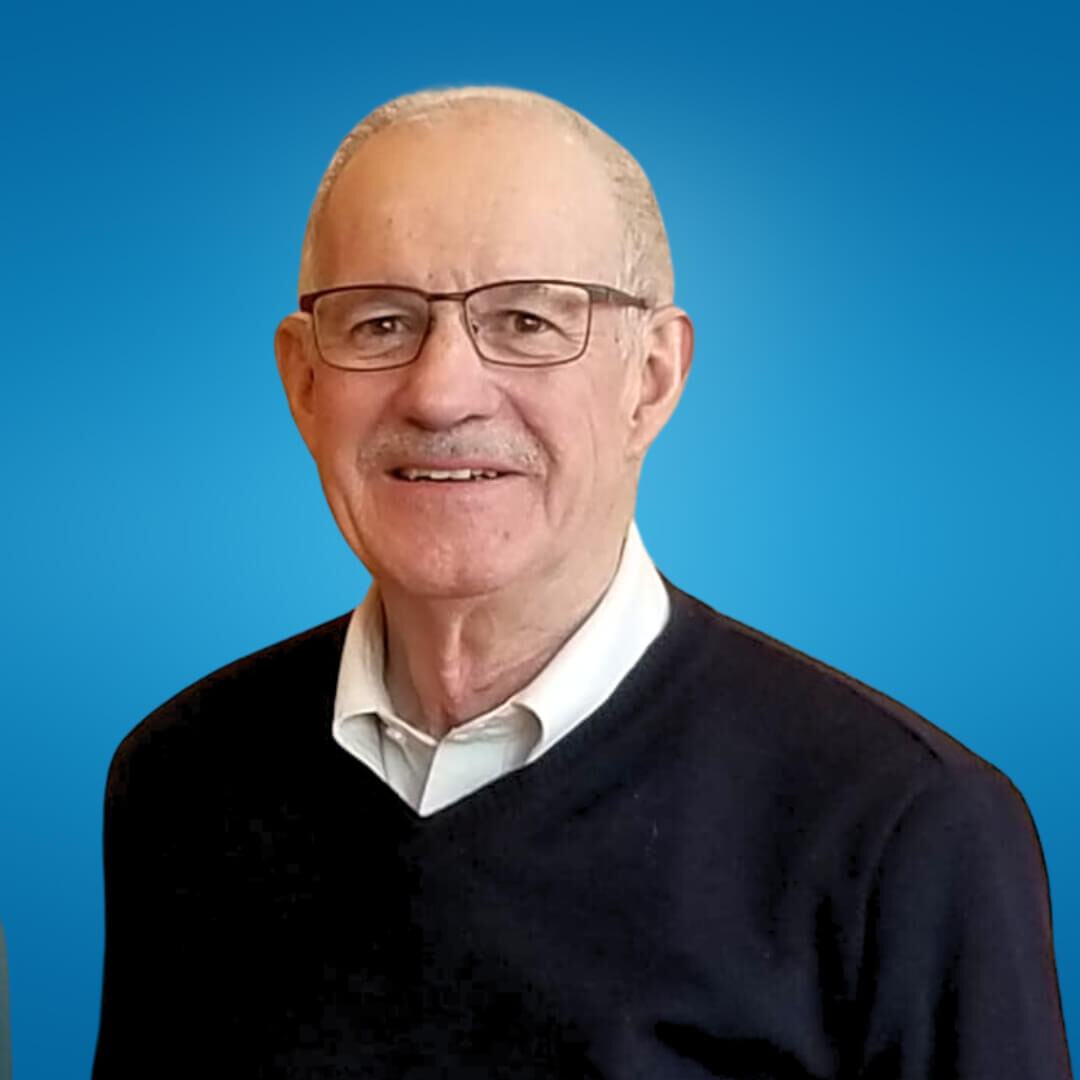
Jerry Miller
MACD President, Jerry Miller
Veteran conservation advocate advancing MACD governance, statewide coordination, and director development.
Rivka Hodgkinson
Executive Director, MACD
Collaborative statewide leader strengthening district capacity, partnerships, outreach, and director development.

Dave Carter
Associate Professor of Silviculture, Michigan State University
Dave Carter is an associate professor of silviculture at MSU. He has worked in forests all over the country and can say with certainty that the forests in the Lake States are best.
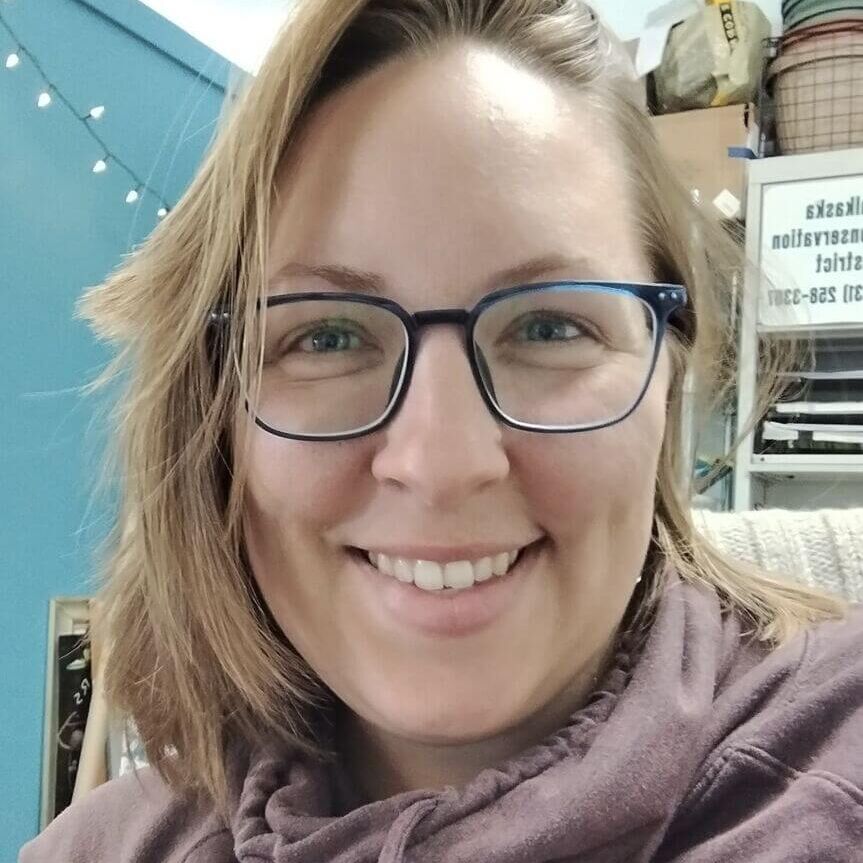
Renee Penny
District Manager, Kalkaska CD
Renee Penny is the current Secretary of the Conservation District Employees Association (CDEM) and a District Manager at the Kalkaska Conservation District.

Erika Tebbens
Director of Impact, Taste the Local Difference
Erika Tebbens is the Director of Impact at Taste the Local Difference. TLD is a marketing agency for purpose-driven food and farm businesses, working across the food system value chain since 2004. Before joining TLD, Erika spent a decade working with entrepreneurs on their sales and growth strategy as a highly-respected business consultant, and she used to farm and keep bees. To learn more go to LocalFoodMarketing.com
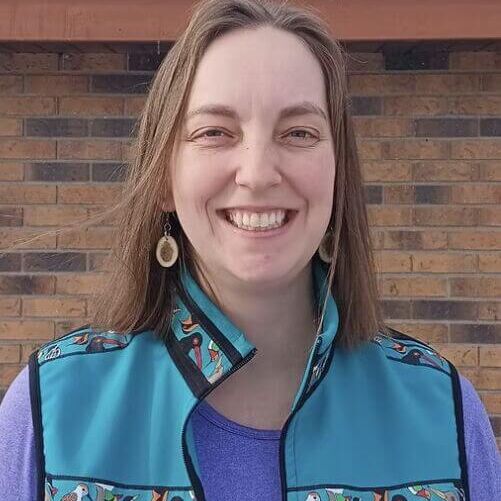
Dana Nelson
District Manager, Dickinson CD
Dana Nelson, District Manager for Dickinson CD since Jan. 2025. Background in environmental education. Restarted a program at Dickinson CD for every 4th grader in the county to receive an Eastern White Pine. Program is called Trees 4 Kids.

Mia Mahaney
Strategic Communications & Nonprofit Leader
Mia Mahaney is a strategic executive with expertise in fundraising, marketing, communications, and organizational growth. She has helped organizations expand their reach by strengthening visibility, cultivating partnerships, and developing systems that support long-term impact. Through leadership and consulting roles, Mia is known for translating organizational vision into practical strategy and sustainable growth
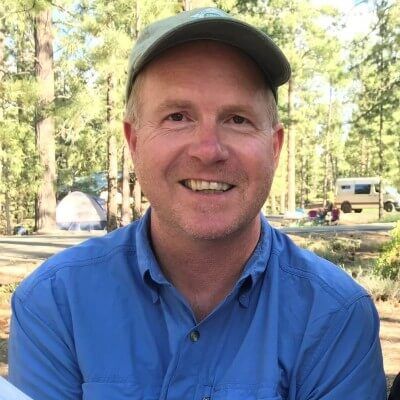
Mike Smalligan
Forest Stewardship Program Coordinator, Michigan DNR
Mike Smalligan administers Michigan’s Forest Stewardship Program, helping family forest landowners manage, protect, and enjoy their woods. His work focuses on empowering landowners, supporting forest markets, protecting clean water, promoting certified forests, and strengthening school forests. Mike also develops partnerships and innovative initiatives such as Forest to Mi Faucet, Wheels to Woods, and Forests for Fish.

Aron Buechler
Owner, Buechler Farms LLC
I have a wife of 25 years and three children, ages 16, 18 and 20. I own and operate a 3rd generation farm in Bay County. I have worked for numerous large companies in the area in positions such as Mechanical Engineer, Project Engineer and Project Manager. I enjoy spending my free time with my wife and 3 children.
I have been involved in the following organizations.
• Michigan Manufacturing Association
• Michigan Chemistry Council
• Bay County Michigan Farm Bureau Board member
Current organization involvement
• Director for Bay C0unty Soil Conservation District
• MACD committes
• Bay County Farm Bureau policy committee
• NERAC committee for Michigan Farm Bureau
• American Farm Bureau Environmental Regulations and Water Issue and Advisory Committee

Adam Reimer
Outreach & Evaluation Scientist, National Wildlife Federation
Dr. Adam Reimer is the Outreach & Evaluation Scientist at the National Wildlife Federation, where he applies social and behavioral science to strengthen conservation outreach and sustainable agriculture programs. His work focuses on farmer and landowner conservation decision-making, including adoption of practices such as cover crops, no-till, buffers, and nutrient management. He also supports local and farmer-led conservation outreach across the Midwest and evaluates how effectively programs lead to behavior change. Adam holds a Ph.D. in Natural Resources and Social Science from Purdue University and has published more than 20 peer-reviewed studies on agricultural conservation and decision-making.
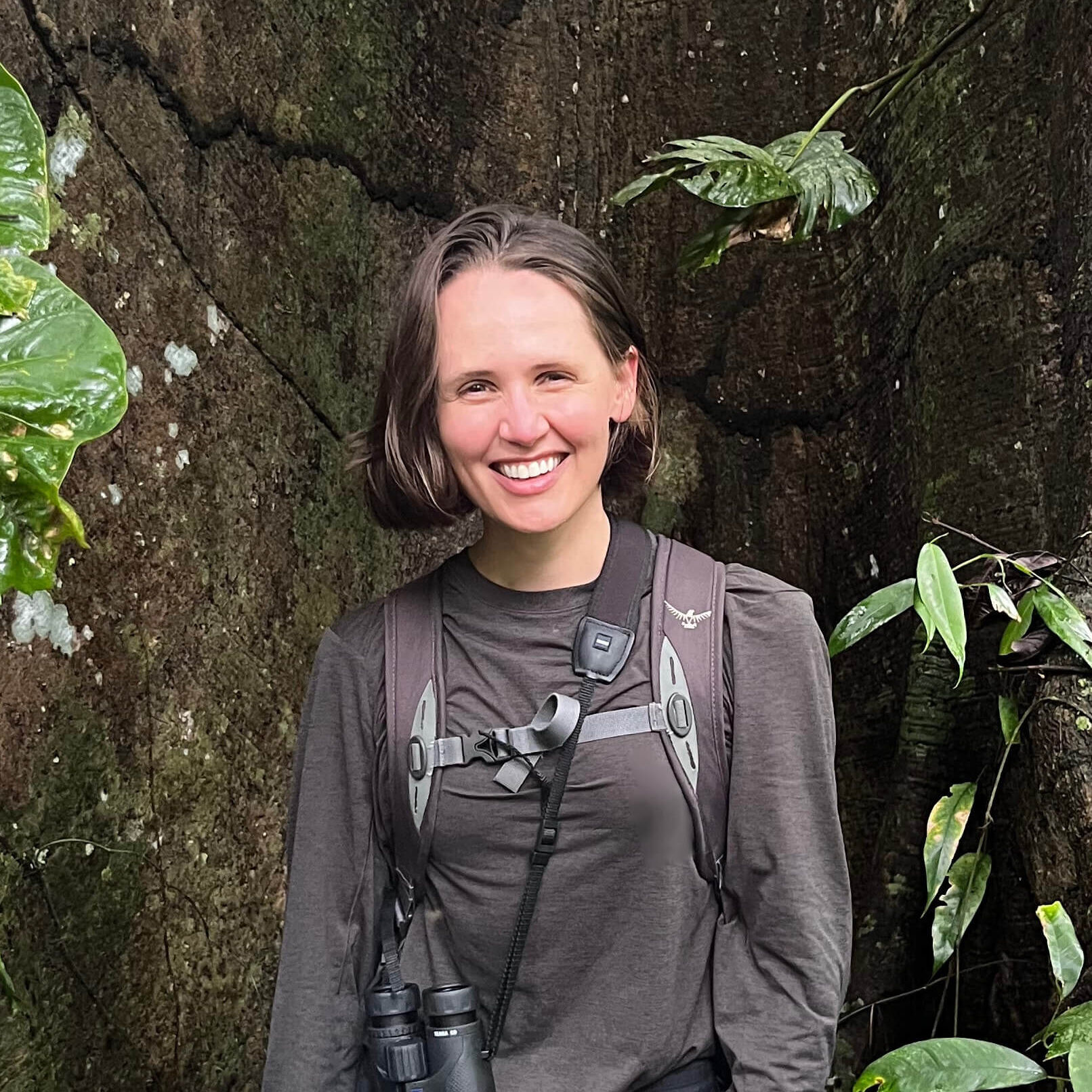
Della Fetzer
Founder, Rebel Cultures
Della Fetzer is a plant biologist and the founder of Rebel Cultures, where she and her team develop novel tissue culture methods to support conservation, habitat restoration, and specialty crop production. Her work focuses on making advanced plant propagation more accessible to conservation districts, growers, and restoration projects, particularly when seed sources are limited or unavailable. She collaborates with universities, growers, and conservation nonprofits to stabilize endangered plant populations, expand habitat for threatened wildlife, and strengthen Michigan’s natural resource resilience.
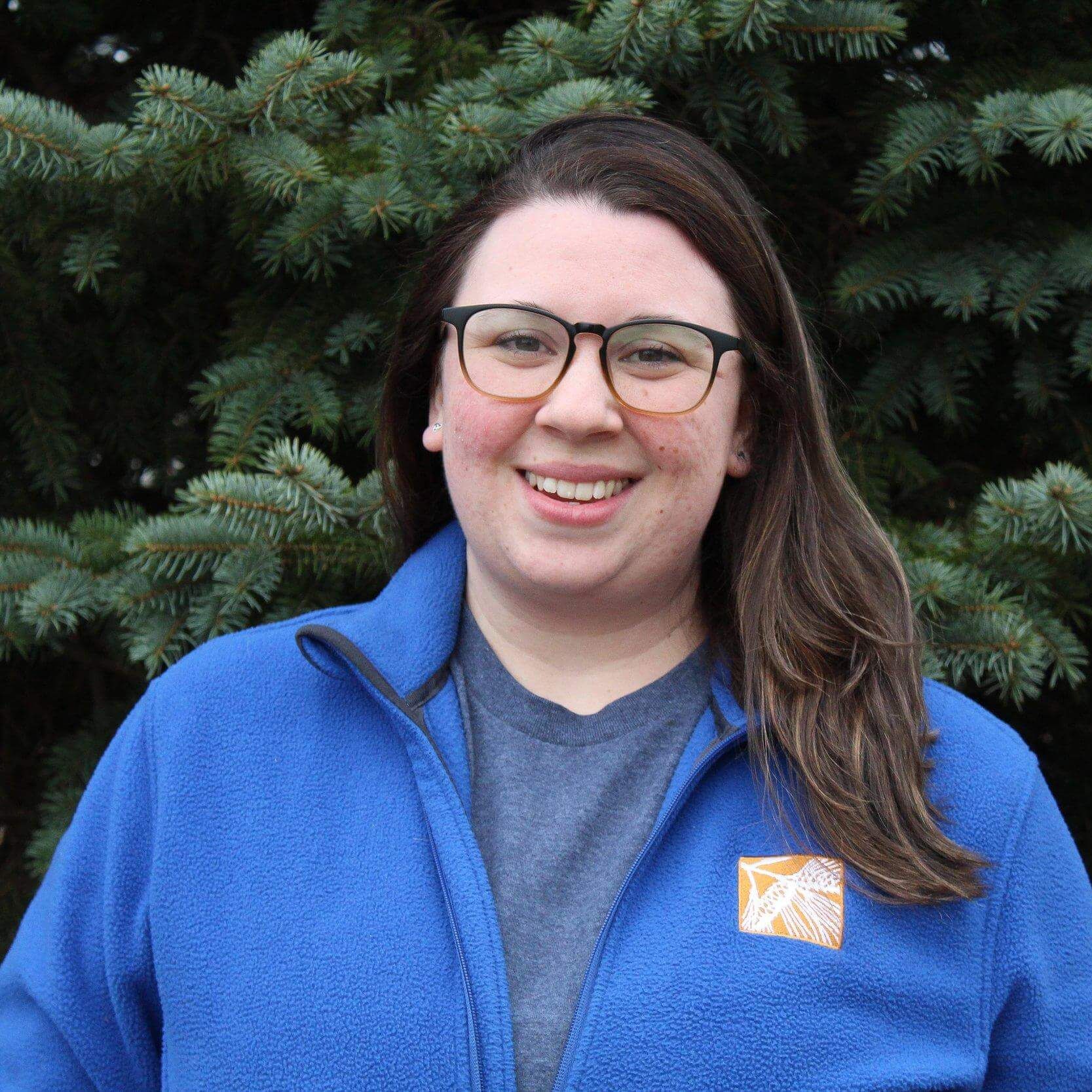
Chelsey Lawton
Executive Director, Muskegon Conservation District
Chelsey Lawton is the Executive Director of the Muskegon Conservation District, where she has served for more than six years. She has helped expand the District's programs by developing strong partnerships with local, state, and federal agencies, municipalities, nonprofit organizations, and private landowners. Through strategic collaboration and successful grant development, Chelsey has secured funding to support conservation initiatives focused on habitat restoration, watershed management, invasive species control, forestry, and community outreach. She is passionate about building innovative partnerships that increase conservation capacity and deliver lasting benefits for Michigan's natural resources.
Patty McNinch
Education Technician, Tuscola Conservation District
My name is Patty McNinch, and I am the Tuscola County Education Technician. I retired from teaching after 32 years but felt that I still had lots to offer our families and youth in outdoor education, conservation, gardening practices and forestry. I have always had a passion for the outdoors since my childhood. I love plants, trees, wildlife, hiking, camping, gardening, and birding.
I am so excited to share some of the wonderful things we are doing here at the Tuscola Conservation District to educate others on conservation practices. I am available to visit your school for a presentation, assist with a poster contest or photo contest, assist with school gardens, assist with a school field trip, or offer a community program. I look forward to speaking with you!
Heather Hart
District Administrator, Wild Hart Acres
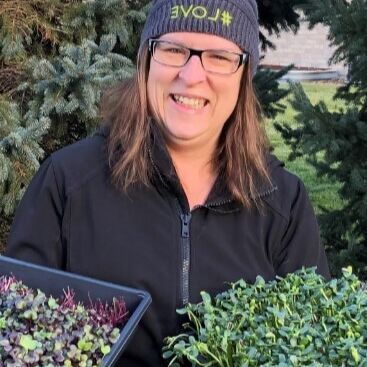
Heather Hart has served as District Administrator for the Saginaw Conservation District since 2022. She earned a bachelor’s degree in Business Administration from Northwood University and brings more than 25 years of experience in accounting and purchasing. During her time with the District, she has helped expand programming, including the Consulting Foresters and Twilight Grower Gathering programs.
Outside of her work with the District, Heather owns Wild Hart Acres, a micro farm producing microgreens and cut flowers. She also serves on the Board of Directors of the Saginaw Community Food Club and is a certified garden coach who promotes healthy food access, gardening, and greater self-reliance.
Rachel Straughen
Education Director, Grand Traverse Conservation District
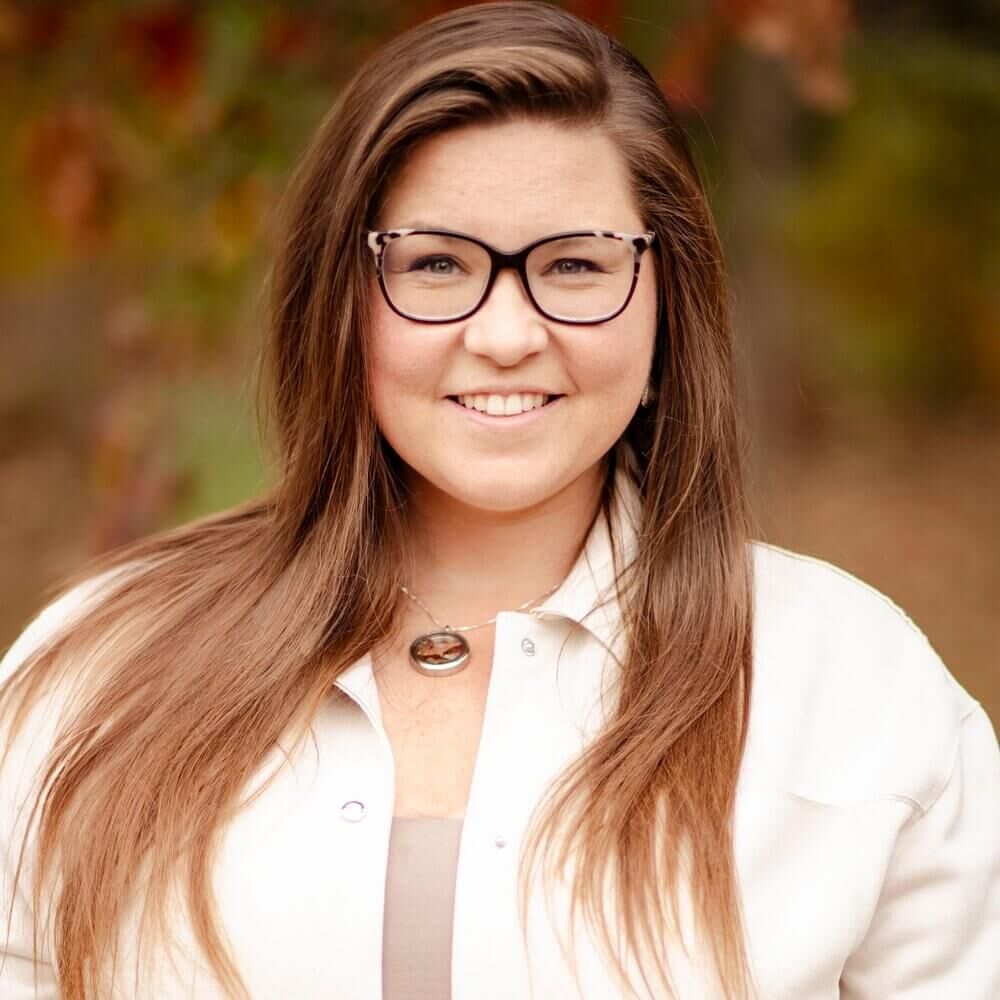
Rachel Straughen is a passionate conservationist and wildlife enthusiast with deep roots in northern Michigan. She holds a bachelor’s degree in Wildlife Ecology and Management from Michigan Technological University and has spent the past several years leading environmental and outdoor education programs with the Grand Traverse Conservation District. She began with GTCD as an Education Specialist and now serves as Education Director, helping connect people of all ages with nature through hands-on learning, camps, and community programming.
Cheyenne Liberti
Farm to Family Program Manager
Cheyenne is the Farm to Family Program Manager at the Michigan Department of Agriculture and Rural Development. In this role, she develops partnerships, supervises staff, and establishes the strategic vision for the program. Through her work, Cheyenne aims to build a food system that uplifts farmers and food businesses and is rooted in healthy food, grown sustainably. She came to this role after working on Farm to School, child nutrition data, and grant management at the Michigan Department of Education for four years.
Patrice E Martin
Vice President, Innovative Community Solutions
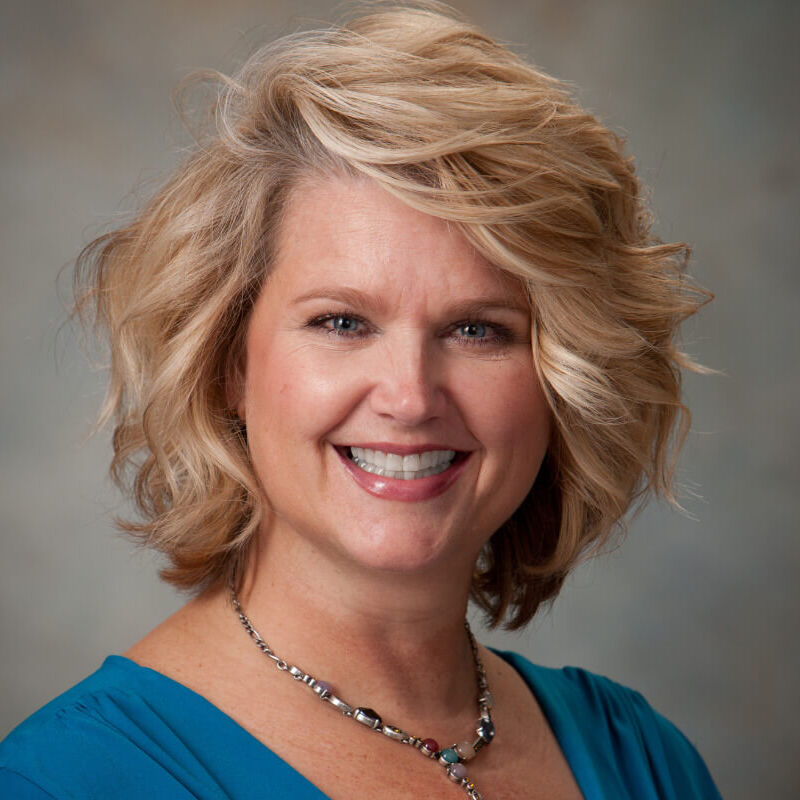
Patrice E. Martin is the Vice President of Innovative Community Solutions, a consulting group specializing in organizational growth and development. Patrice has been an independent capacity-building consultant since 2012, working with nonprofit organizations, local government units, statewide associations and Michigan Main Street. Beginning in 2016, Patrice served the Michigan Association of Conservation Districts as a member of the training development team providing support and workshop facilitation for new director trainings, as well as being a frequent presenter during MACD Fall Conferences and Summer Conventions. She has also served several Michigan conservation districts with strategic planning and organizational development activities.
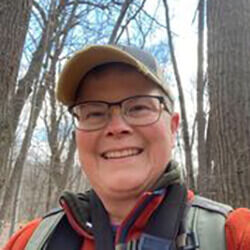
Carolyn J. Miller
Arboretum & Invasive Plant Species Coordinator
Carolyn Miller holds a BS in botany and plant pathology from Michigan
State University a MA in biology at Miami University (Ohio) and is currently working on her MS in Forestry (MSU). Since 2015, she has been the Arboretum & Invasive Plant Species Coordinator for Michigan State University, spending much of her time mapping and recording data for all the trees and shrubs on campus and removing invasive species. She’s currently the President of the Wildflower Association of Michigan, Recording Secretary of the Michigan Botanical Society, and
Vice President of the Great Lakes Chapter of the Michigan Botanical Society.
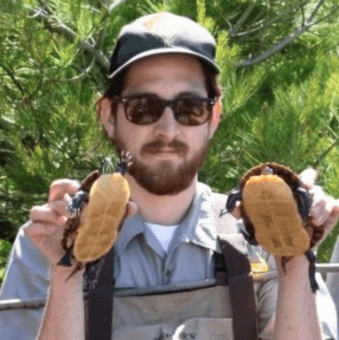
Chris Long
Conservation Easement Manager, Land Conservancy of West Michigan
Christopher Long is the Conservation Easement Manager at the Land Conservancy of West Michigan. He has a Bachelor of Science degree in Fisheries and Wildlife Biology and GIS from Michigan State University and has worked for LCWM since August of 2022. He previously worked as a habitat biologist for the US Park and Forestry Service on wildlife surveys and habitat restoration projects, forest management recommendations and contract review, and ecological impact surveys. He has additional experience with federal, state, and private land management, spatial ecology research, and environmental education and outreach.
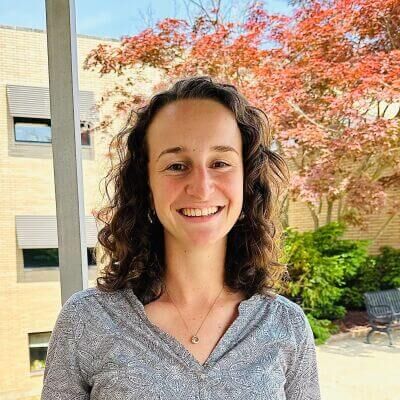
Madelyn Celovsky
Conservation Agronomist Educator
As a Michigan State University Extension conservation agronomist educator based out of Jackson County, Madelyn Celovsky works with farmers across Southeast Michigan. Madelyn’s background is in soil biology, nutrient management, and the application of conservation agriculture practices including cover crops, reduced tillage, and conservation and wildlife plantings.

Ellie Johnson
Outreach Forester, Michigan Forest Association
Ellie Johnson is Michigan Forest Association's (MFA) Outreach Forester. Prior to working for MFA, she was a District Forester for the Leelanau, Grand Traverse, and Benzie Conservation Districts, where she provided one-on-one technical assistance to private forest landowners throughout the region. She holds an M.S. in Forest Resources from Clemson University, and a B.S. in Environmental Biology and a B.S.e. in Secondary Biology Education from Clarion University of Pennsylvania. Ellie is a Certified Forester through the Society of American Foresters, serves on Michigan SAF's Executive Board, and was MSAF's Young Forester of the Year in 2025. She lives in Traverse City area and can usually be found engrossed in a book or out in the woods.
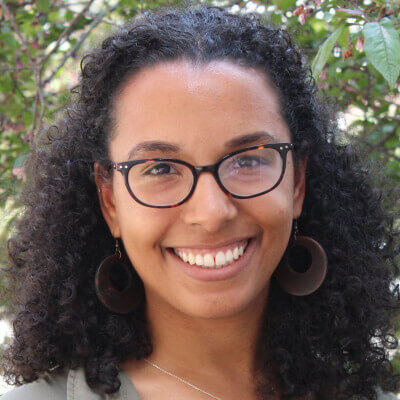
Christine Charles
MSU Extension educator
Christine Charles is an MSU Extension educator and CCA who is passionate about helping Michigan farmers find practical solutions to real-world challenges. Christine is based at the W.K. Kellogg Biological Station, where several experiments that study the ecology and agronomy of row crops take place. She works collaboratively with farmers, crop advisers, conversation professionals, and researchers to improve soil health, build resilience to unpredictable weather, and support profitable crop production. Christine combines university research with on-farm experience to help farmers evaluate new practices, make informed management decisions, and troubleshoot conservation management.
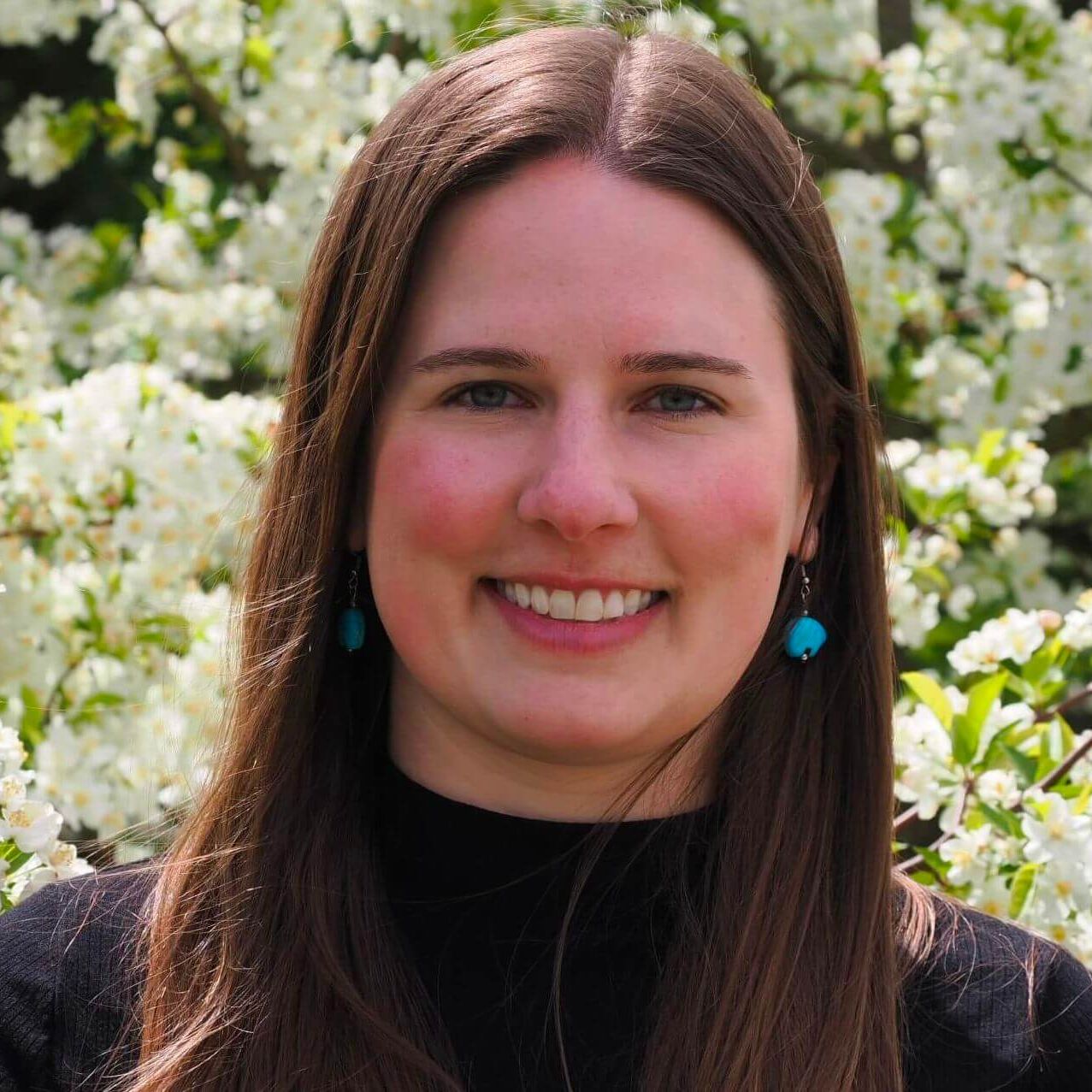
Kelly Krueger
Organizational Policy Coordinator, MACD
Kelly serves as the Organizational Policy Coordinator with the Michigan Association of Conservation Districts, where she develops policies and toolkits that strengthen organizational infrastructure within MACD and support Conservation Districts across Michigan.
Her work in conservation began in 2013 as a Fisheries Intern with the Student Conservation Association. She holds a Bachelor’s degree in Biology from Hope College and brings over 10 years of experience in fisheries management, invasive species work, migratory bird co-management, and grant administration. She has also developed an internship program to engage youth in local natural resource management and believes that building collaborative partnerships is key to advancing conservation solutions.
Kelly is passionate about expanding access to fresh, local foods and supporting sustainable communities. She previously served as a founding Board member for the Kodiak Harvest Food Cooperative, where she led policy development, and improved organizational systems and database management.

Erik Palm
Program Manager, Soil and Agricultural Stewardship Unit, MDARD
Erik Palm is in his third year as the Program Manager of the Soil and Agricultural Stewardship Unit for the Michigan Department of Agriculture and Rural Development, overseeing the MAEAP and Regenerative Agriculture Programs. Erik grew up on a 1000+ ac row crop farm in the Saginaw Valley and went on to earn his B.S. in Biology/Ecology emphasis from Northern Michigan University. After graduating college, Erik began working for the conservation districts where he earned his certified crop advisor credential and became a certified pest and nutrient management plan technical service provider. During that time he also began his journey into the world of regenerative and conservation agriculture and has continued learning and implementing those principals throughout his career, including working as a MAEAP Technician in the thumb region. Erik resides in Saginaw County where he hobby farms and enjoys spending time with his family.
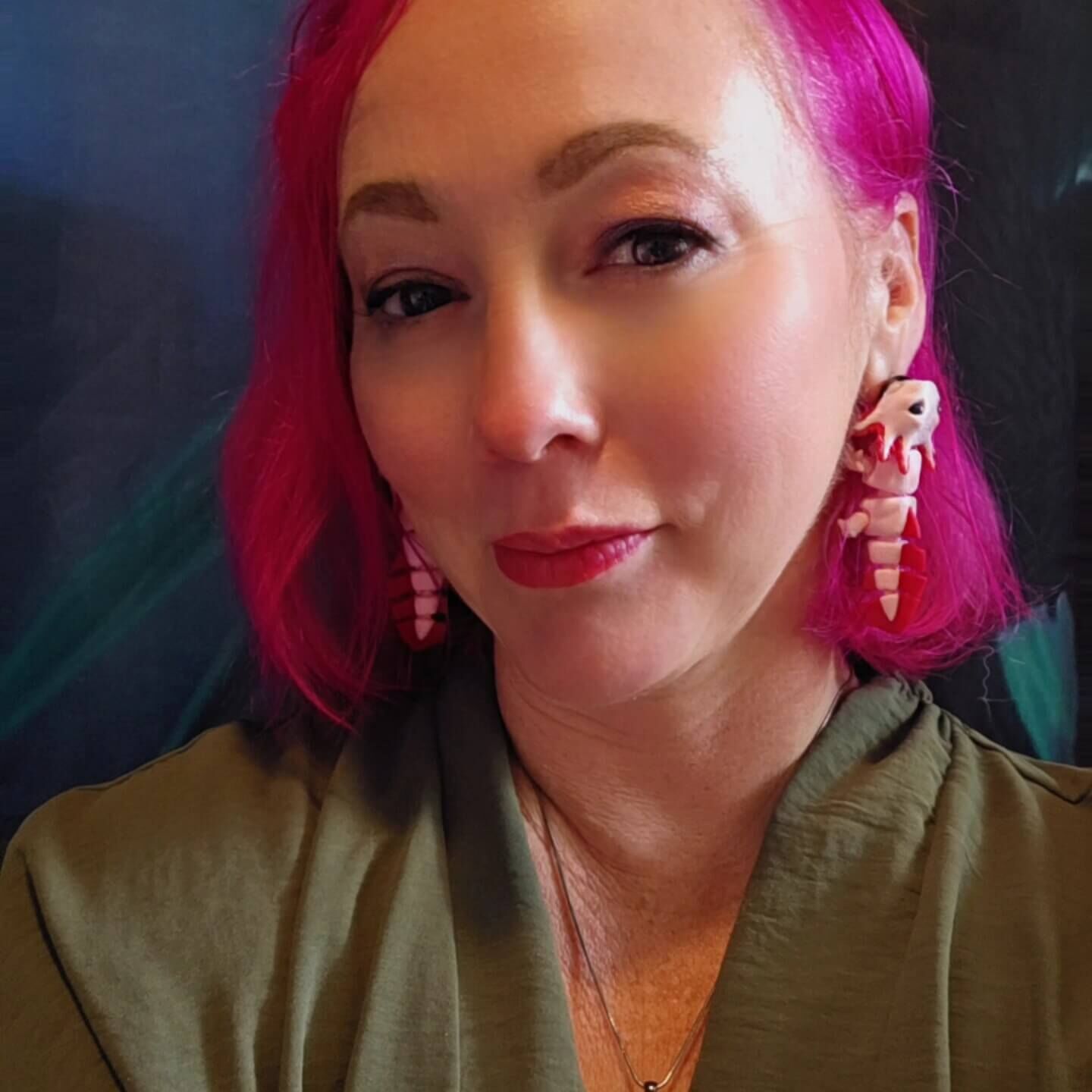
Erin Horton
Conservation Outreach Coordinator, Missaukee Conservation District
Erin Horton is the Conservation Outreach Coordinator for the Missaukee Conservation District in Lake City, Michigan. An Education Specialist with 11 years of formal classroom experience spanning schools across the country and 7 years of informal environmental education, Erin brings a deep passion for nature and a versatile approach to learning to everything she does. In her current role, she leads all district events and outreach programming, building conservation connections with school-age children and adults alike.
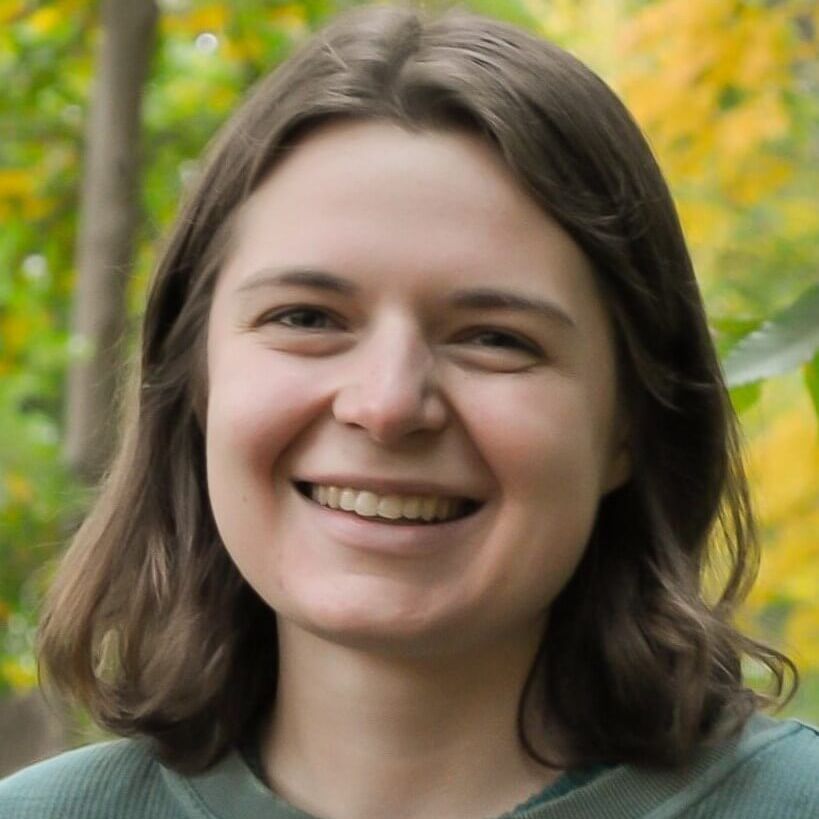
Rachel Drobnak
Education Director, Grand Traverse Conservation District
Rachel Drobnak is Interim Associate Director of Engagement at the Kellogg Biological Station Long-term Agroecosystem Research (KBS LTAR) site, located in Kalamazoo County. Drobnak is an agroecologist and a current doctoral candidate working with Dr. Christine Sprunger (MSU KBS) where she studies the soil health and economic impacts of agricultural conservation. Combining her research and agricultural outreach experience, Drobnak seeks to connect scientists and agricultural stakeholders to co-produce research and inform agricultural policy.
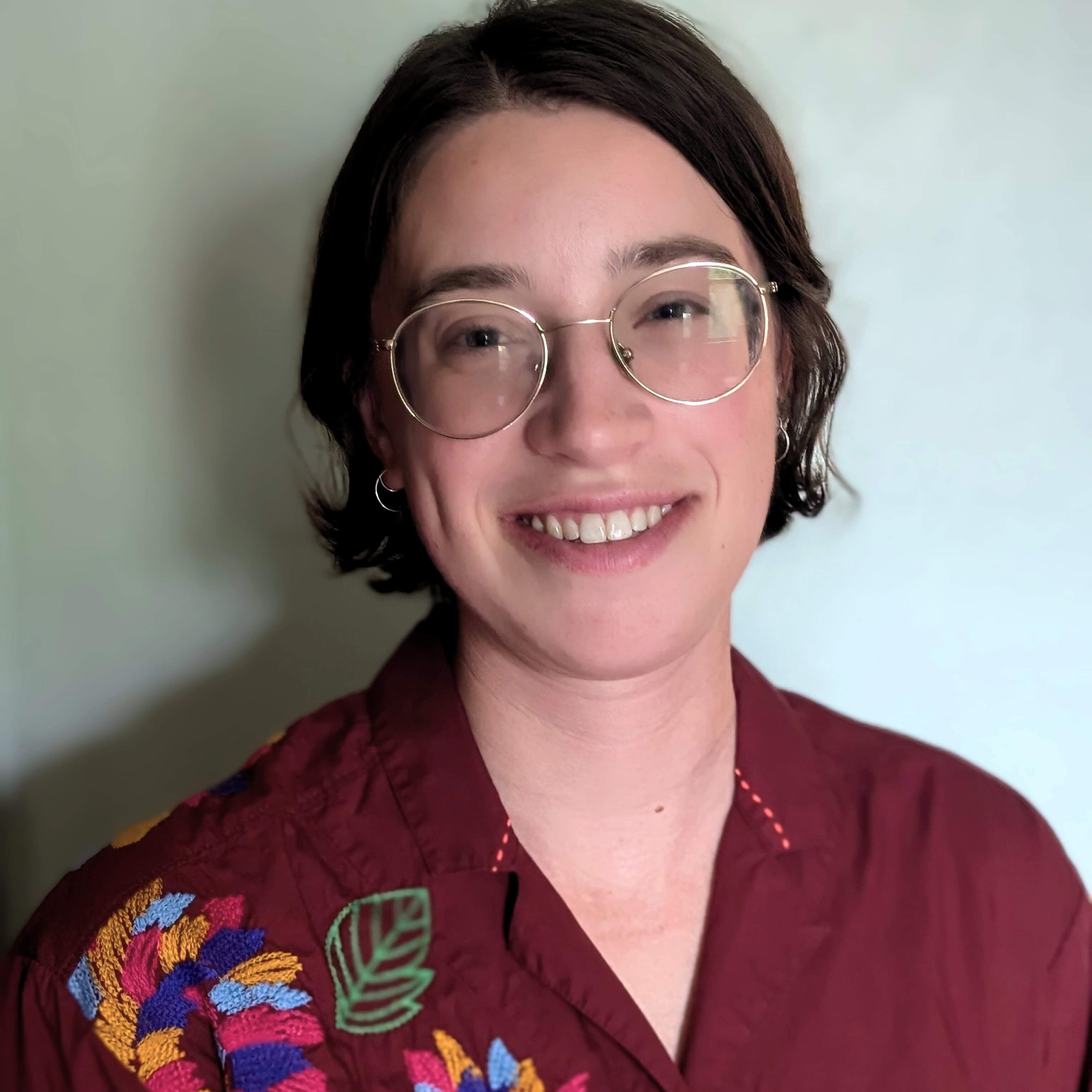
Dr. Emma Shedd
Forest Ecologist, Sierra Club Michigan Chapter
Emma Shedd is the Forest Ecologist for the Michigan Chapter of the Sierra Club, based out of the Keweenaw Peninsula. She holds a doctorate in Forest Science from Michigan Technological University, where she researched how root-microbe interactions differ by tree genetics and environmental conditions and taught undergraduate Forest Ecology and Tree Physiology courses. In her current role, she focuses on promoting sustainable, ecologically-minded forest management across Michigan’s state and federal forest lands.
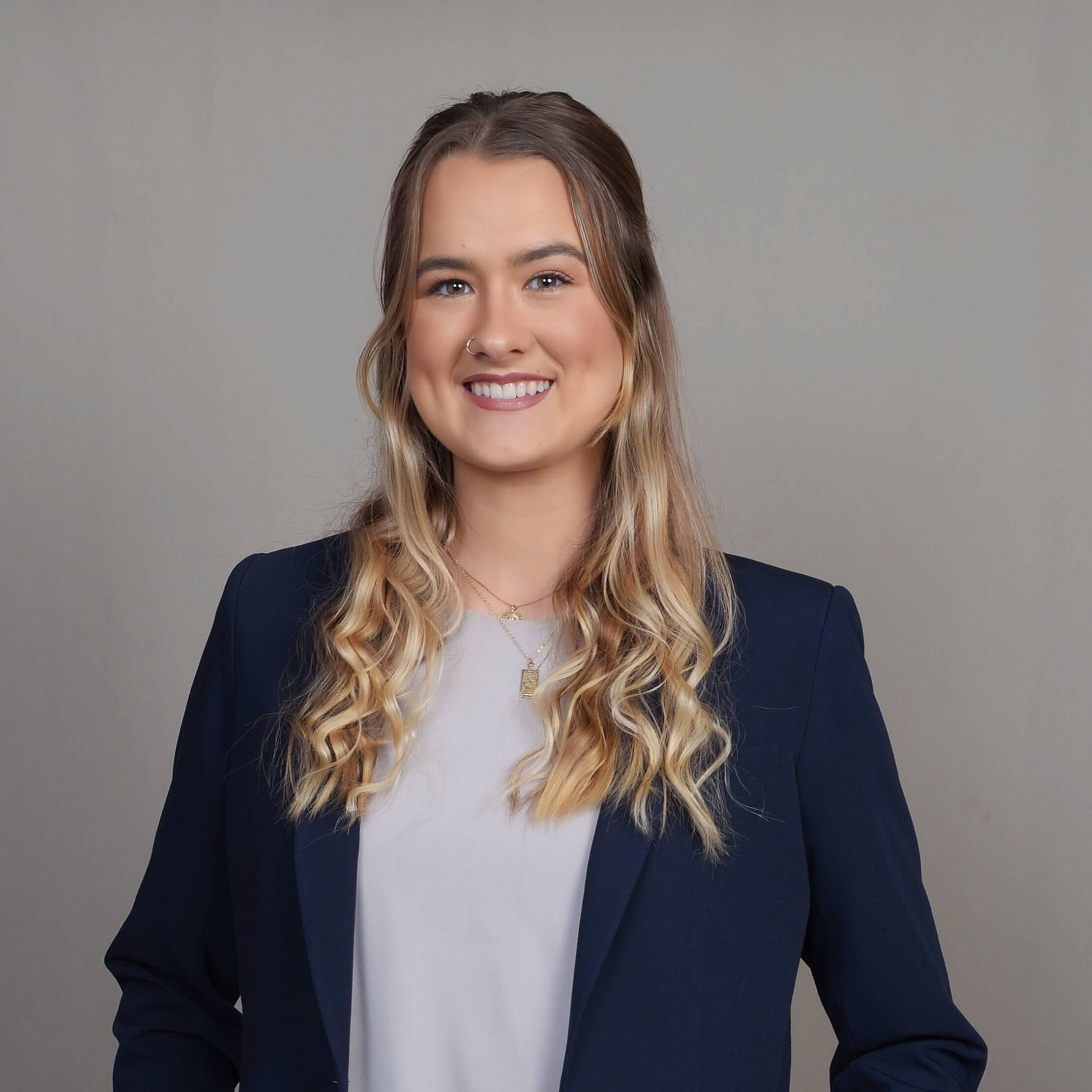
Cailyn Andrews
Program Manager, Great Lakes St. Lawrence Governors & Premiers
Cailyn Andrews is a Program Manager with the Great Lakes St. Lawrence Governors & Premiers, where she manages the organization’s Great Lakes Green Events program and sustainable agriculture initiatives. Her work focuses on advancing regional collaboration around sustainable agriculture, natural resource management, agricultural resilience, and economic opportunity across the Great Lakes states and provinces.
Maureen Stine
SIGMA VSS Michigan Park Interpreter
Maureen (mo) Stine (she/her/hers) began her career in the field of park interpretation in 1995. She served eight years as a soil conservationist for the USDA, Natural Resources Conservation Service working closely with conservation districts across a 10-county service area in Michigan's Area 2, and Area 1, and spent combined eight years as a park interpreter with the Michigan Department of Natural Resources and Kalamazoo Nature Center pioneering interpretive services for the state fish hatchery system.
In 2009 she launched her small, woman-owned Michigan business, Natureology and later became a certified forest therapy guide and published author. Mo guides forest bathing walks to promote health and wellness for busy professionals across the Great Lakes Watershed and instructs ice fishing for blind and low vision children for Opportunities Unlimited for the Blind.
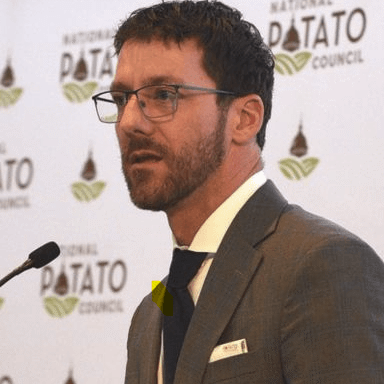
Todd Feenstra
Director, Midwest Water Stewards
Mr. Todd Feenstra
President and Owner of Tritium, Incorporated (hydrogeologic consulting)
Director of Midwest Water Stewards
LPG, Licensed Professional Geologist (Indiana)
CPG, Certified Professional Geologist (Michigan/Indiana)
Mr. Feenstra has over 25 years of experience in developing, managing, and protecting high-capacity groundwater supplies in Michigan, Indiana, and Ohio. He serves as President of the Michiana Irrigation Association and as a technical advisor to the Michigan Water Use Advisory Council. He oversees the monitoring well and stream monitoring network of Midwest Water Stewards which currently operates over 230 active monitoring wells and monitors nearly 450 stream sites across Michigan and Indiana.
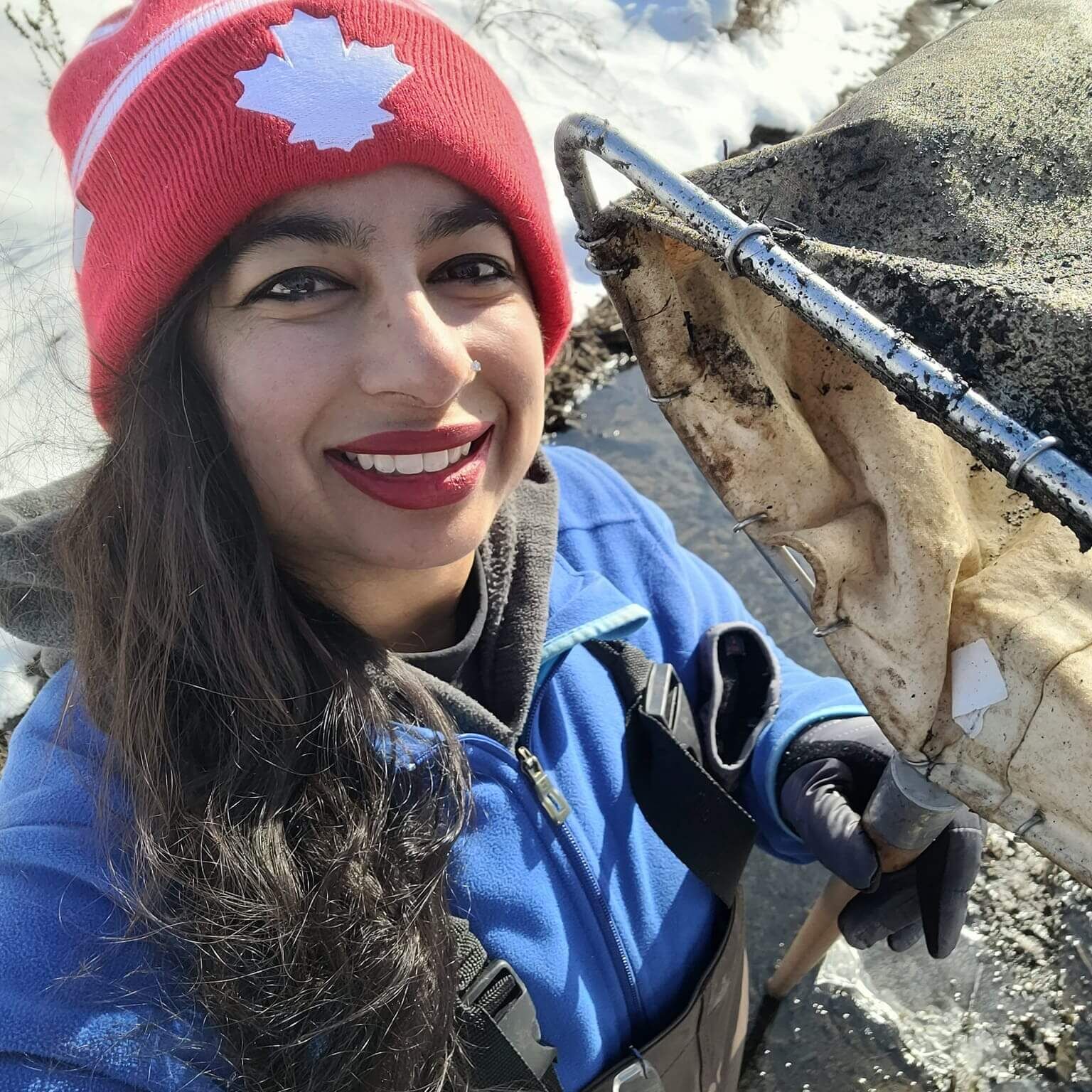
Dr. Shikha Singh
JLW CISMA Coordinator, Jackson County Conservation District
Dr. Shikha Singh is the Coordinator of the Jackson, Lenawee, and Washtenaw Cooperative Invasive Species Management Area (JLW CISMA). Her work includes community education/outreach, management, and the treatment of invasive species within the tri-county region. Shikha holds a masters and doctorate degree in the Dept. of Fisheries and Wildlife from Michigan State University. She has been working on environmental issues within the Great Lakes region for the past 21 years, focusing on water quality, environmental policy, and invasive species. She originally hails from Canada, is an avid sports enthusiast, cook, and a nature photographer.
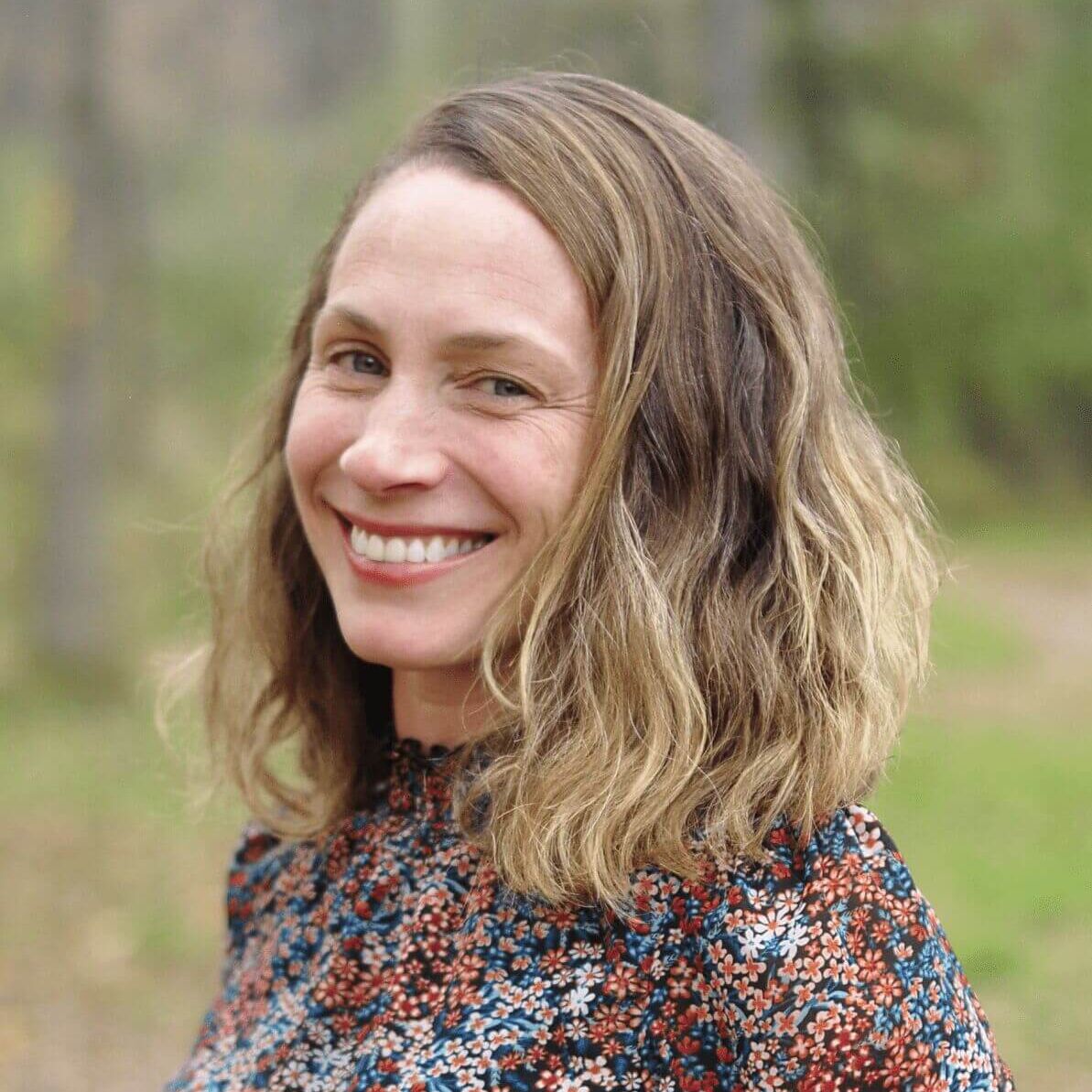
Jill Dohner
MIFarmLink, Program Director
Since 2023, Jill Dohner has led the development and expansion of the MIFarmLink program. A dedicated advocate for the next generation of farmers, she brings more than a decade of experience as a farm owner. Jill works with agricultural partners across Michigan to connect farmland owners looking to sell or lease land with beginning farmers seeking access, helping protect farmland while supporting resilient farming communities.
She holds a Master’s degree in Forest Ecology and Management from Michigan Technological University and owns Rustic Roots Farm, where she raises honeybees, poultry, and dairy goats while managing an orchard, garden, and greenhouse production. Jill serves on the boards of the Washtenaw County Conservation District and the Michigan Farm Bureau.
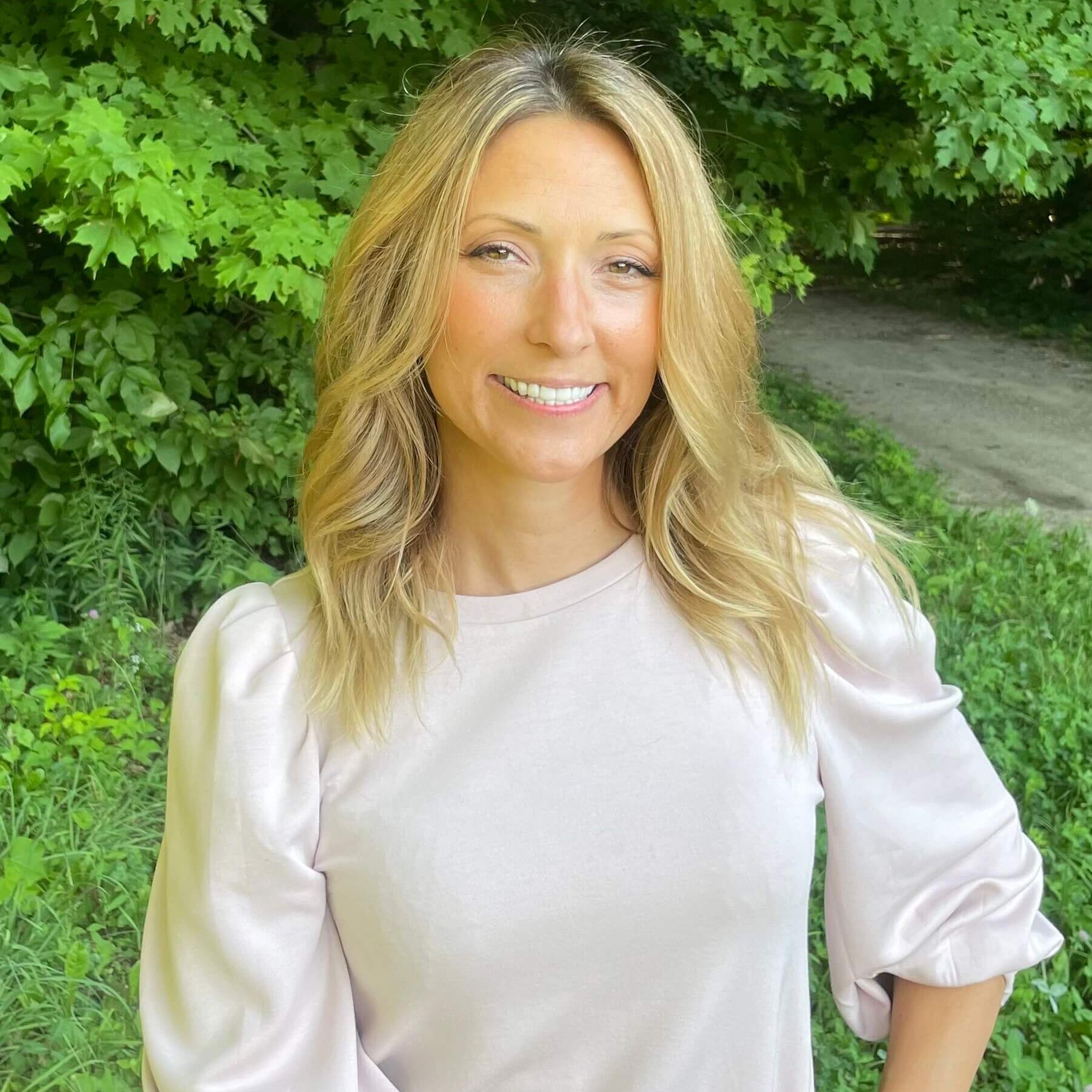
Davina Bryan
Indiana & Michigan State Director, Farm-To-Power
Davina Bryan is a rural community advocate and cross-sector convener working to advance solutions that align agriculture, energy, and economic development across the rural Midwest. She serves as the Indiana & Michigan State Director with Farm-To-Power, where she works at the intersection of land stewardship, renewable energy, and rural economic opportunity.
A business owner and trade educator, Davina has dedicated her career to expanding economic and educational opportunities within rural communities and strengthening pathways that support resilient local economies. She is a graduate of Grand Valley State University, where she pursued an academic path shaped by her personal connection to agriculture and food systems. Her professional work spans nonprofit leadership, strategic partnerships, and community engagement, where she is known for bringing diverse stakeholders together to address complex challenges.
She has also contributed her expertise through service on numerous boards and advisory panels across the agricultural, research, and energy sectors, helping guide conversations around rural innovation and land stewardship. In 2022, she founded an educational advocacy initiative connecting consumers to the history of rural American farming while raising awareness of the challenges facing producers and their families.
In 2025, she helped found the Midwest Agrivoltaic Collaborative, advancing cross-industry collaboration to accelerate agrivoltaics as a viable and resilient approach to food and energy production. Davina believes the future of agriculture will be shaped not by a single solution, but by farmers' continued ability to adapt, innovate, and steward the land through changing economic and environmental conditions.
Shannon Brines
Chair, Washtenaw County Conservation District
Shannon Brines grew up in Washtenaw County on a small diversified farm that included woody perennial crops. He officially established Brines Farm in 2004 and began selling year-round at farmers markets and offered one of Michigan’s first fresh produce winter CSA share programs. Shannon was selected as a member of the US delegation to participate in Terra Madre 2008 in Turin, Italy, a world slow food meeting focused on increasing small-scale, traditional and sustainable food production. With ever expanding interests in biodiversity, agroecology, agroforestry, and perennials, Brines Farm has planted tens of thousands of trees and perennial plants. Brines Farm LLC is a State of Michigan licensed and inspected tree and shrub nursery grower, and has been a vendor at the Native Plant Expo & Marketplace in Washtenaw.
Shannon is also an applied geographer at the University of Michigan interested in land use, agriculture, agroforestry, food systems, public health and sustainable design. Shannon currently serves as the treasurer of Slow Food Huron Valley. He was elected to the board of Washtenaw County Conservation District in 2020 and now serves as chair. He was elected in 2024 to serve as chair of Region 10 of the Michigan Association of Conservation Districts. Shannon participates in working groups of the national Agroforestry Coalition, including the Ecosystem Services, Demonstration Farms, and Nurseries working groups.
Shannon, his wife - Erin Mittendorf, and their two kids steward over 80 acres of farmland in Webster Township in northern Washtenaw County.
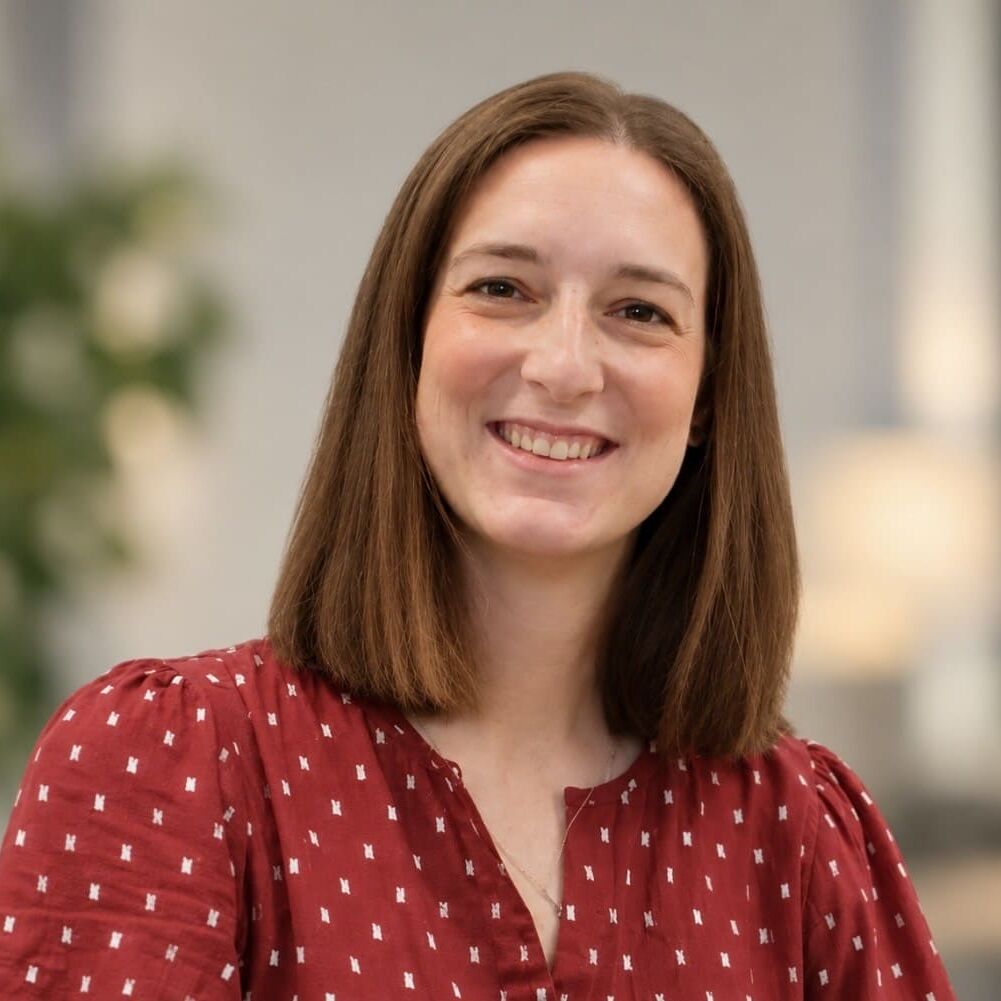
Justine Reid
Environmental Quality Incentives Program (EQIP) State Program Manager, NRCS
Justine Reid was born and raised in Bad Axe, Michigan. She attended Eastern New Mexico University, earning dual bachelor’s degrees in Animal and Dairy Science as well as Wildlife and Fisheries Sciences. She continued her education at the University of Nebraska, where she received a Graduate Certificate in Grasslands Management and completed additional graduate coursework in Agronomy. During her collegiate studies, Justine began her career with the Natural Resources Conservation Service (NRCS) through a student internship in Alpine, Texas. She completed her internship in Deming, New Mexico, where she transitioned to a Soil Conservationist role. Her professional journey includes positions as a Rangeland Management Specialist in Alamogordo, New Mexico; Soil Conservationist in Hot Springs, South Dakota; and District Conservationist in Rapid City, South Dakota. Justine later returned to Michigan, where she currently serves as the Environmental Quality Incentives Program (EQIP) State Program Manager in East Lansing. Outside of work, Justine enjoys spending time with her family, gardening, and hunting.
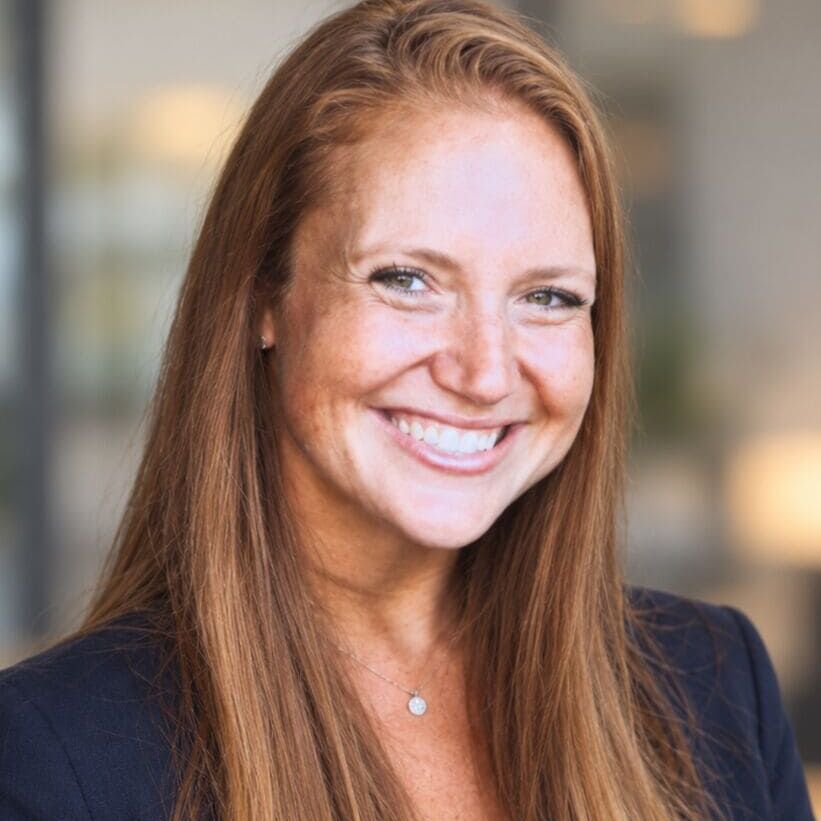

Angela Dietrich
Easement Program Specialist, NRCS
Angela Dietrich serves as Easement Program Specialist at the Michigan NRCS State Office in East Lansing, Michigan. She joined NRCS in September 2021 worked as a Natural Resource Specialist in Flint, Michigan, assisting with Easement programs and CRP prior to stepping into the role of Easement Program Specialist in December of 2023. In addition to her current role, Angela has also served as “acting” ACEP Coordinator, CRP Coordinator, and has supported RCPP efforts in East Lansing. Angela graduated in 2019 from Southern New Hampshire University with a Bachelor of Environmental Science, concentrating in Natural Resources and Conservation. Outside of work, Angela enjoys spending time at the horse barn, walking, duck hunting, snowmobiling, visiting car, and tractor shows, and making memories with her family.
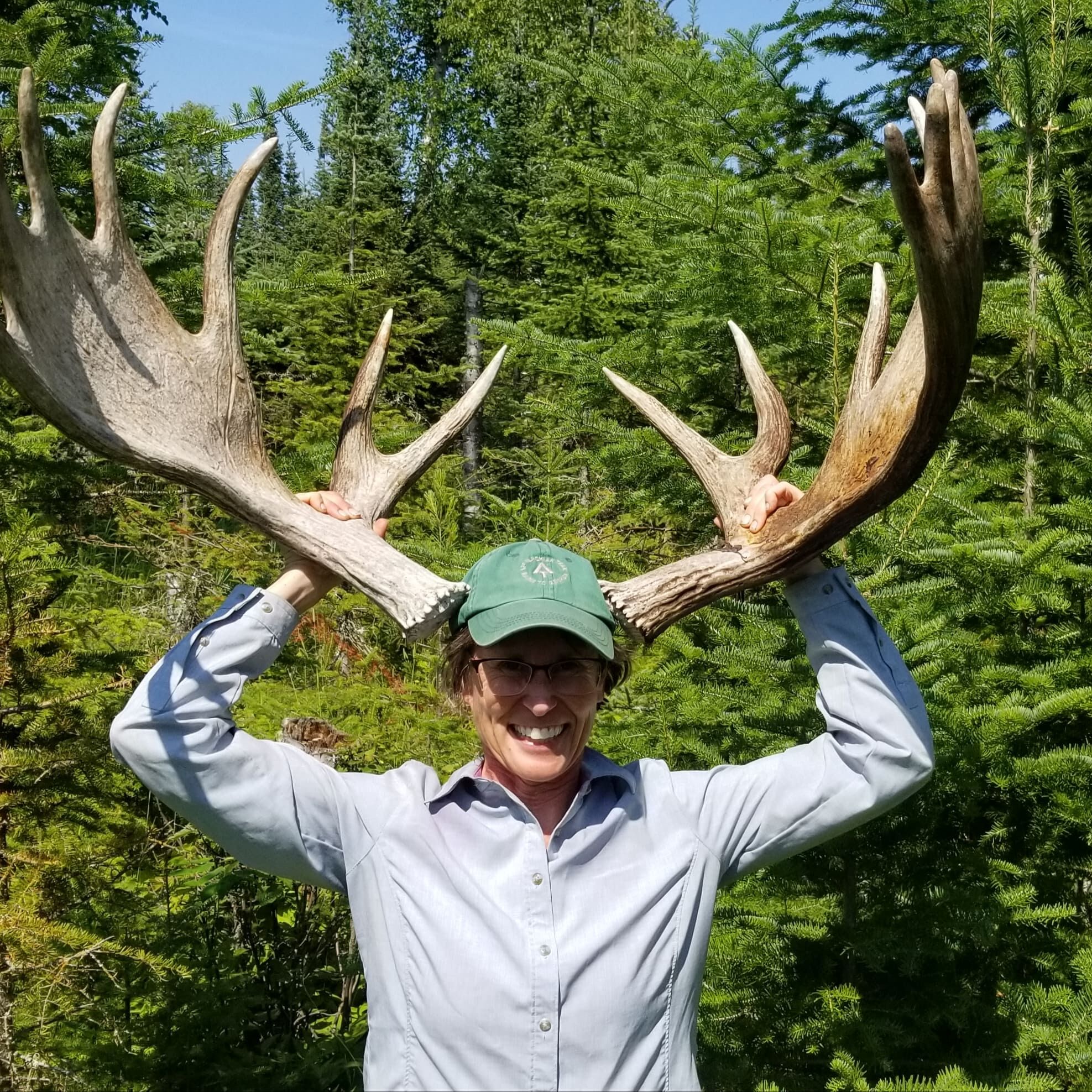
Barbara Scott
Conservationist, NRCS
Barbara Scott has been with NRCS since 2020. She has over 20 years of expertise in evaluating aquatic ecosystems, particularly wetlands. Career highlights include leading teams to develop wetland assessment methods for regulatory use and implementing statewide wetland monitoring programs. Barbara has contributed to national wetland condition assessments and has extensive experience in regulatory project management and environmental science within state and federal agencies.
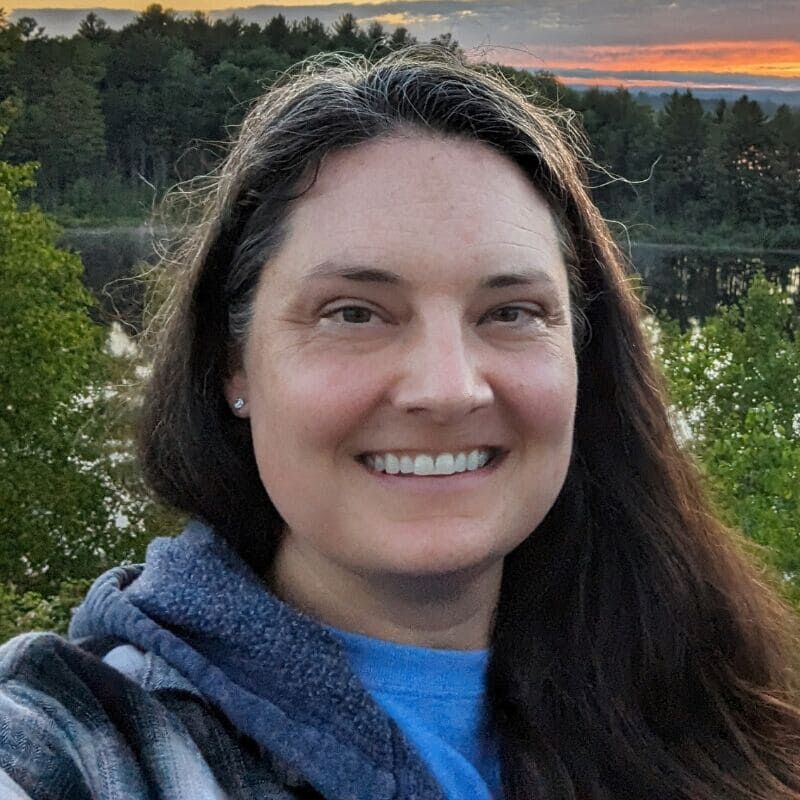
Erin Busscher
Conservationist, NRCS
Erin Busscher has worked for the NRCS for almost 22 years. She has worked in six states (Wisconsin, New Jersey, North Dakota, Montana, Illinois, and Michigan) as a Soil Conservationist, District Conservationist and as the Appeals Specialist in Michigan for the last 10 years. In her current role, she represents the NRCS in all informal and formal appeals for both conservation program and wetland conservation appeals.
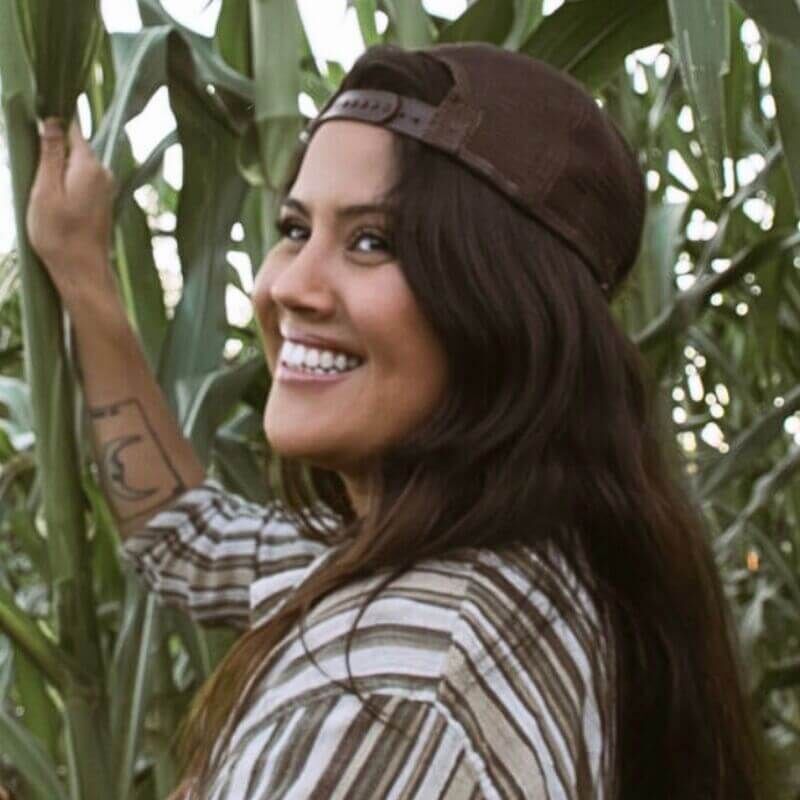
Victoria Fox-Ramon
Co-director of MASA Center
Victoria is a Mother, Granddaughter of migrant field workers, a Chicanx land tender of Indigenous Mexican descent, interdisciplinary artist, co-director of MASA Center, and lead cultivator of the Milpa Learning Farm. She weaves together intergenerational knowledge and lived experiences creating educational workshops & programming. Her work focuses on cultivating spaces that nurture transformative change, cultural restoration, and symbiotic relationships within the biosphere.
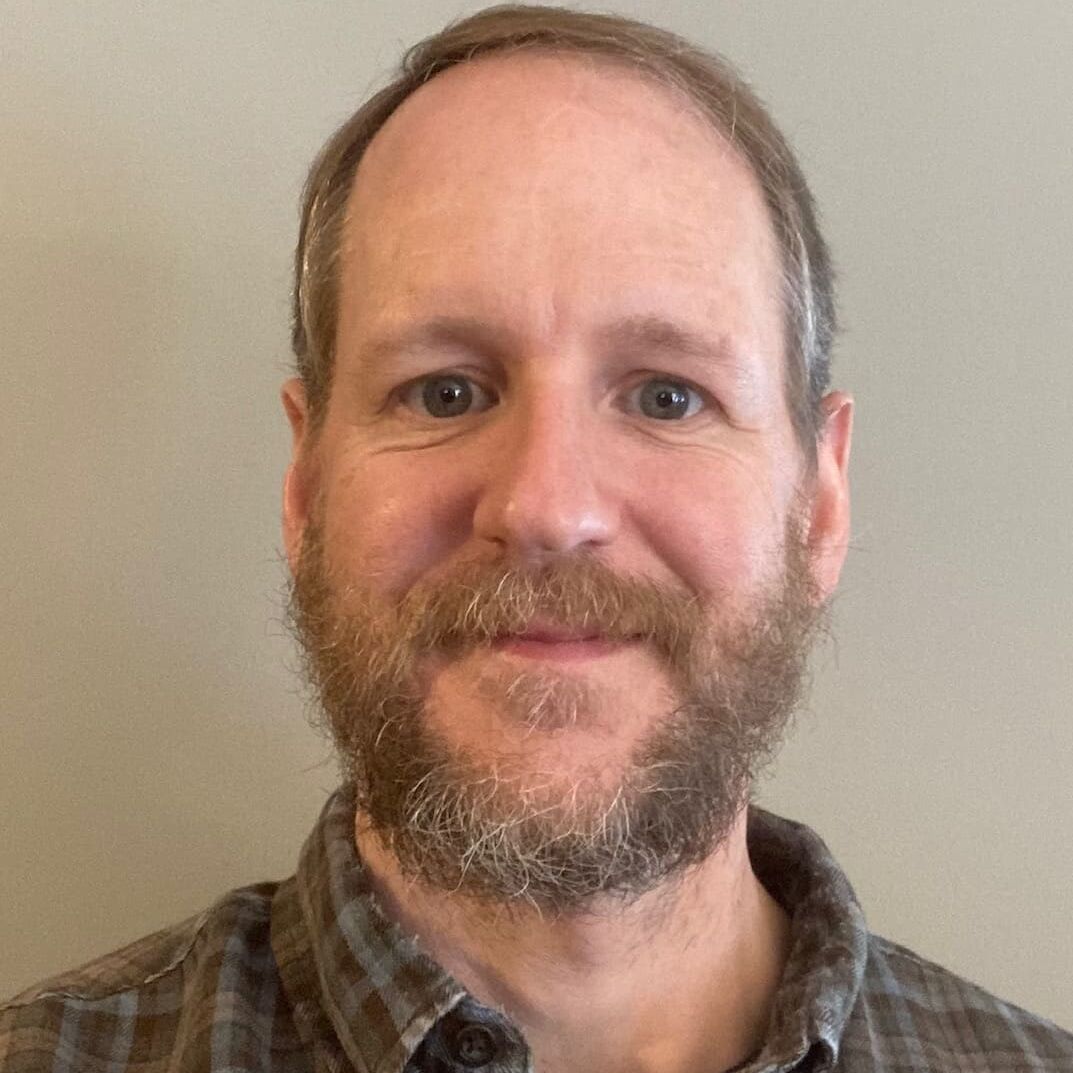
Andy Hendriksen
State Forester, NRCS
Andy Hendriksen is the State Forester for the USDA-Natural Resources Conservation Service. A part of the Michigan NRCS Ecological Sciences staff, he has served in this role for 17 years, providing training and technical assistance to NRCS staff and Conservation District partners in Michigan’s 57 NRCS field office. He received a B.S. in Forestry from Michigan Technological University in 1996.
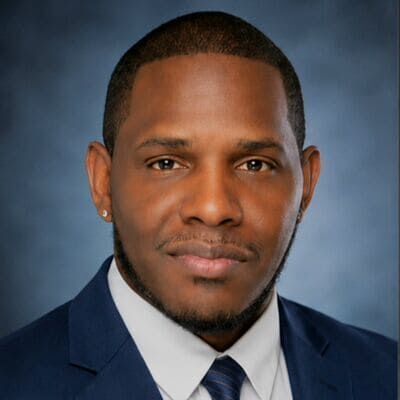
Bobby Boyd
Economic Development Executive
Bobby Boyd is a seasoned Economic Development executive where he leads municipal growth strategies, equitable funding distribution, and public-private partnerships. A former Employee for Engagement with the U.S. Department of Energy, overseeing 13 States. Bobby brings extensive experience in bridging the gap between public resources and underserved populations.
Throughout his career in federal and municipal government, Bobby has specialized in designing targeted outreach frameworks and administrative pipelines that ensure state, federal, and local dollars reach historically disadvantaged communities.

Michael Wozniak
Environmental Engineer Specialist, MDARD
Michael Wozniak, PE, Environmental Engineer Specialist with MDARD. He leads statewide efforts in evaluating and developing engineering standards and procedures for agricultural infrastructure, including waste and fuel storage systems, drinking water and irrigation wells, concrete and soils investigations, aquaculture systems, and regenerative agriculture practices. Mike also oversees the siting of livestock production facilities under the Michigan Right to Farm program and manages the Conservation Technical Assistance Initiative grant in partnership with USDA-NRCS. He holds a Bachelor of Science in Biosystems Engineering from Michigan State University and is a licensed professional engineer. With a deep commitment to sustainable agriculture and environmental stewardship, Mike brings technical expertise and collaborative leadership to support Michigan’s farming communities.
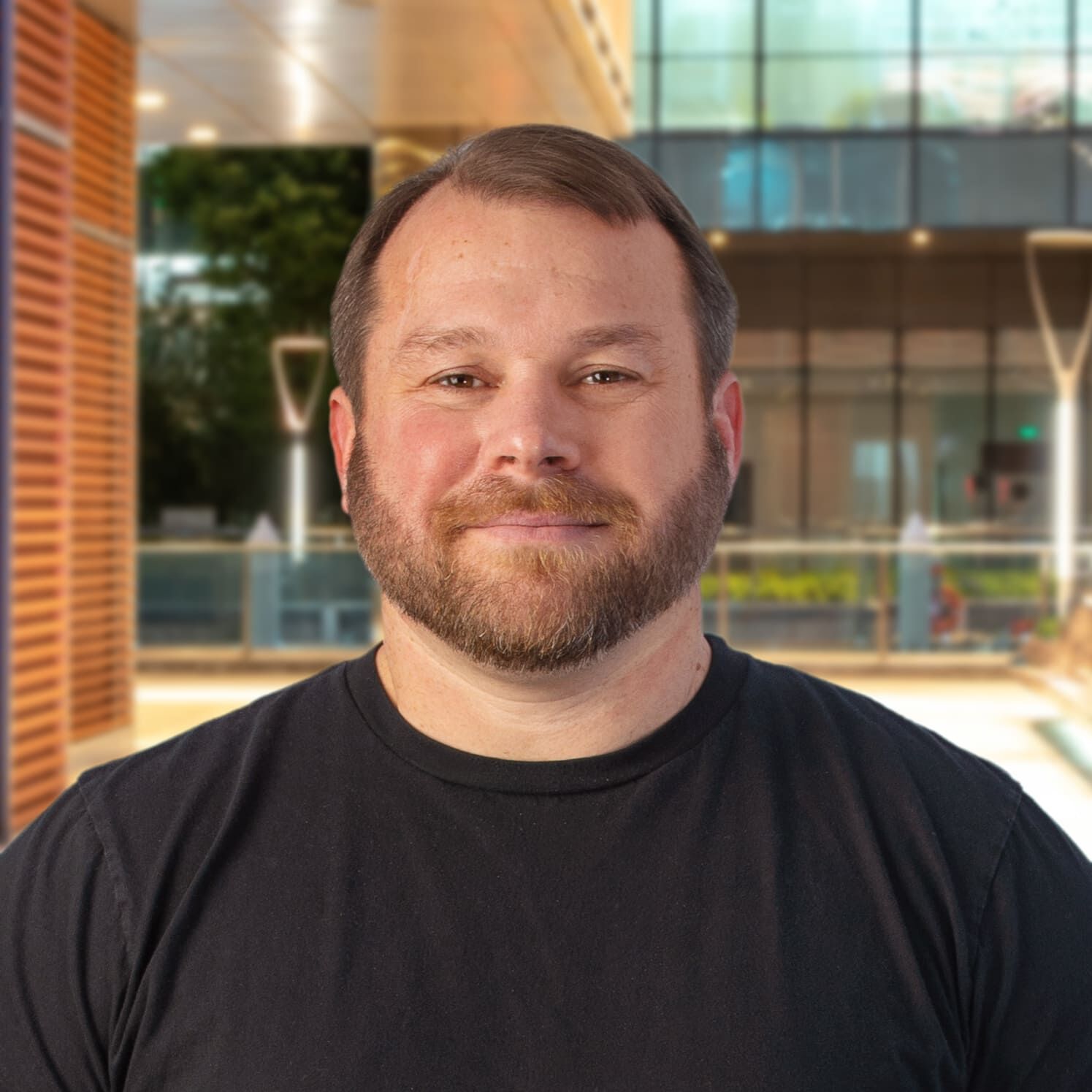
Dustin Krompetz
M3 Agriculture Technologies
Dustin was born and raised in Gladwin, MI graduating in 2000. He then joined the Michigan Army National Guard and was deployed to Iraq. Post Iraq he moved to Kalamazoo, MI and attended WMU pursuing a B.S. degree in Aviation. The age of the drone was at hand so he ditched riding in the aircraft and started operating them from a distance. Through follow on deployments to Iraq and Afghanistan as a civilian contractor he met his business partners at M3 Agriculture Technologies and was introduced to the science of the Sterile Insect Technique (SIT). Dustin and M3 now operate a commercial business specializing in drone application of SIT insects.
Candra Thomas
Conservation Stewardship Program (CSP) Program Manager
Candra Thomas is the Conservation Stewardship Program (CSP) Program Manager in East Lansing, MI. She is a native of Pine Bluff, AR. She joined NRCS in June of 2014. Prior to becoming the CSP Program Manager, she worked as a Resource Conservationist, District Conservationist, and Soil Conservationist. In addition, she has served as “acting” District Conservationist in several counties. She is a 2014 graduate of the University of Arkansas at Pine Bluff where she obtained her Bachelor of Science Degree in Agronomy. When she is not working, she loves spending time with her family, traveling, and taking care of her plants.
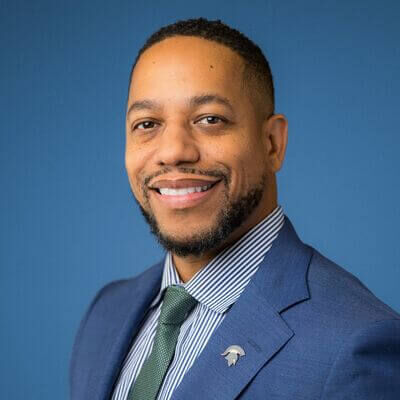
Dr. Quentin Tyler
Director of Michigan State University Extension
Dr. Quentin R. Tyler serves as Director of Michigan State University Extension and Senior Associate Dean for Outreach and Engagement in MSU’s College of Agriculture and Natural Resources. Since 2021, he has led MSU Extension’s statewide work to connect the research, knowledge, and educational resources of Michigan’s land-grant university with individuals, families, businesses, and communities.
Tyler provides strategic and operational leadership for more than 700 MSU Extension faculty and staff serving all 83 Michigan counties. In 2025, nearly 300,000 Michiganders participated in more than 8,000 MSU Extension programs spanning agriculture and agribusiness, children and youth development, community and economic development, natural resources, and health and nutrition. His leadership emphasizes ensuring that university expertise is accessible, practical, and responsive to the needs of rural, suburban, and urban communities across Michigan.
Under Tyler’s leadership, MSU Extension developed a new strategic direction shaped by extensive community and employee engagement, including more than 25,000 comments from nearly 700 participants. The resulting strategy strengthens Extension’s focus on thriving food systems, strong communities, healthy and empowered residents, and resilient natural environments. Tyler has also worked with state and federal elected officials and other partners to increase MSU Extension’s budget by more than 11 percent during his tenure.
Tyler also represents Extension nationally through the Extension Committee on Organization and Policy (ECOP). He serves as a North Central Region representative on ECOP and represents ECOP on the Board on Agriculture Assembly (BAA) Board of Directors. Through these roles, he contributes to national conversations about the future of Cooperative Extension and the role of public and land-grant universities in serving communities across the country.
As Senior Associate Dean, Tyler works across Michigan State University and with Michigan’s Tribal Colleges and Universities, community partners, and other stakeholders to expand outreach, strengthen interdisciplinary collaboration, and advance MSU’s land-grant mission. He also serves as interim director of campus farms for the College of Agriculture and Natural Resources, overseeing operations associated with MSU’s 18 on-campus farms.
Before becoming Extension director, Tyler held several leadership positions at Michigan State, including Acting Associate Dean for Faculty Affairs and Administration and Associate Dean and Director for what is now the College of Agriculture and Natural Resources Office of Culture, Access and Belonging. Prior to joining MSU, he spent more than 13 years with the University of Kentucky College of Agriculture, Food and Environment.
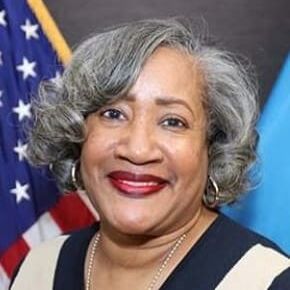
Diane Gray
State Conservationist, NRCS
Diane Gray began her new role as the NRCS Michigan State Conservationist (STC), headquartered in East Lansing, Michigan. Gray began her USDA career as a clerk-typist with Rural Development. In 1986, she joined the Soil Conservation Service (now NRCS) as a clerk-typist in Bourbonnais, Illinois. In 1989, Gray was promoted to area administrative coordinator and worked in that position until transferring to Michigan in 1995 performing the same role. In February 2015, Gray was selected as the Michigan assistant state conservationist for management and strategy. As a member of the leadership team, Gray integrated conservation strategy and financial planning, personnel, and locally led administrative services to deliver the state’s mission throughout area and local field offices. She also reviewed the performance and accountability of conservation programs and operations. She was previously Michigan’s state administrative officer, state budget officer, and financial technician. Prior to her first STC position in Delaware, Gray served as acting state conservationist in Michigan (2017), New Jersey (2019), and Maryland (2022). She was an active member of the Michigan Conservation Partnership Team developed to address state and local ag- focused issues. Gray served as the Federal Women’s Program and Black Emphasis Program manager in both Illinois and Michigan and was a member of the Michigan Civil Rights Committee prior to becoming a committee advisor. She is a life member of the National Organization of Professional Black NRCS Employees (NOPBNRCSE) and serves as the Treasurer. In February 2013, Gray completed the USDA Emerging Leadership Development Program at George Washington University. She also graduated from the USDA Midwest Leadership Development Program. She earned a Bachelor of Arts in Organizational Management from Spring Arbor University in Spring Arbor, Michigan. A native of Kankakee, Illinois, Gray enjoys cooking and reading.
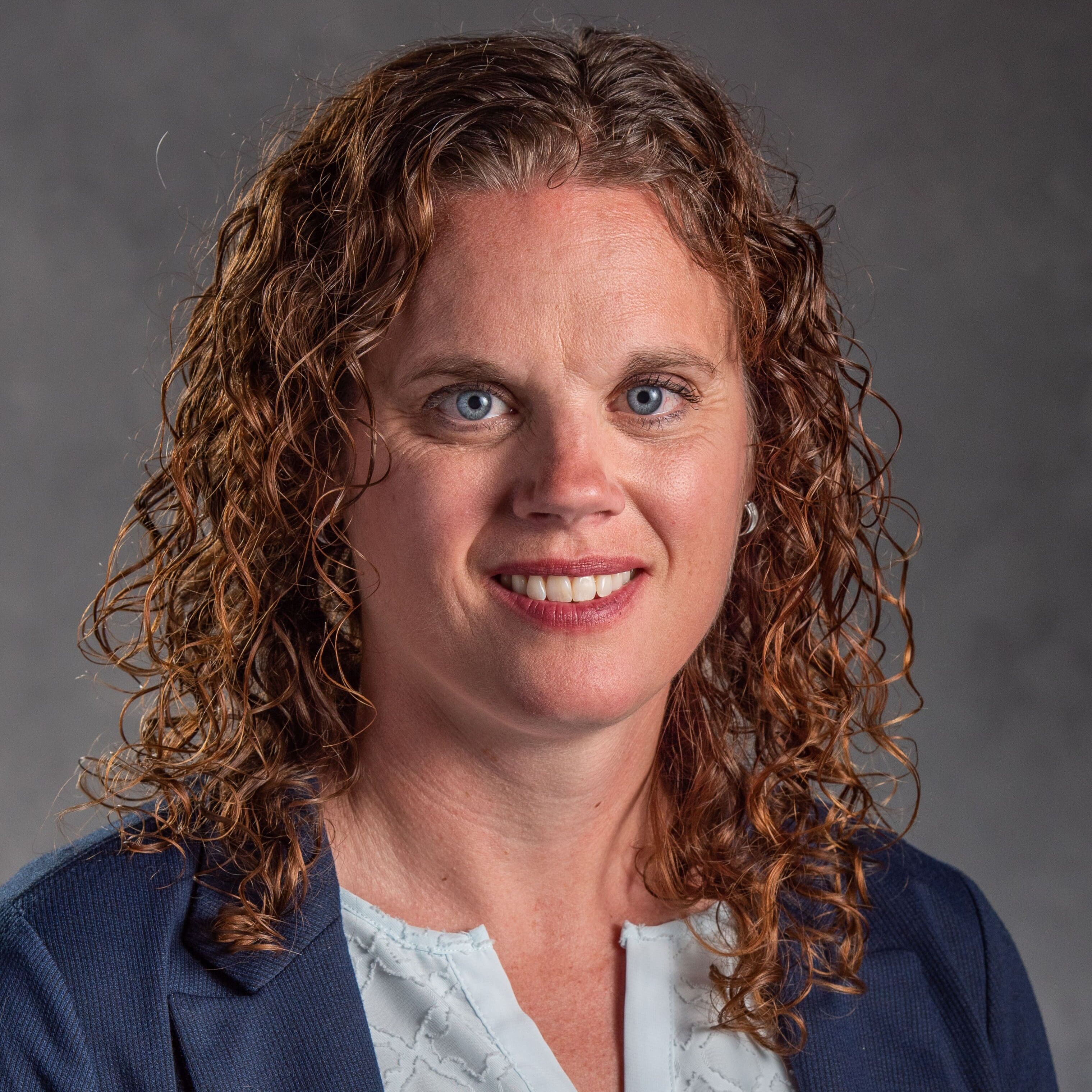
Faith Cullens-Nobis
MSU Extension Educator
In her role as an MSU Extension Educator, Faith works with farms impacted by PFAS contamination in Michigan. She works with farms on PFAS education, identifying risks, soil and water sampling for PFAS and helps with mitigation strategies. Faith works closely with the MSU Center For PFAS Research to advance agricultural research on PFAS.

Kevin Sayers
State Urban and Community Forestry Program Manager, MDNR
State Urban and Community Forestry Program Manager with MDNR since 2002, graduate of MSU Forestry.
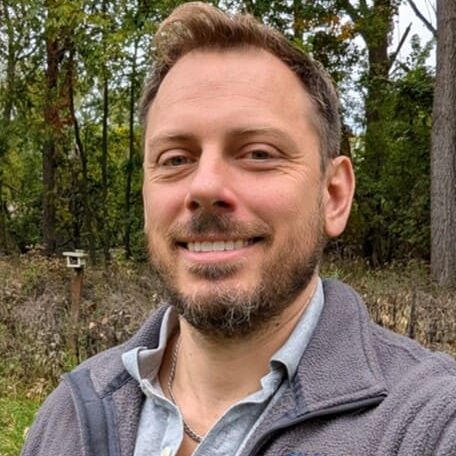
Christopher Greene-Szmadzinski
Web Administrator, MDARD
Christopher is the web administrator for the Michigan Department of Agriculture and Rural Development. He translates statewide accessibility requirements into day‑to‑day agency practice; he collaborates and leads training and awareness efforts for digital accessibility across the department, providing technical advising, accessible document design training, and guidance to agency content creators.
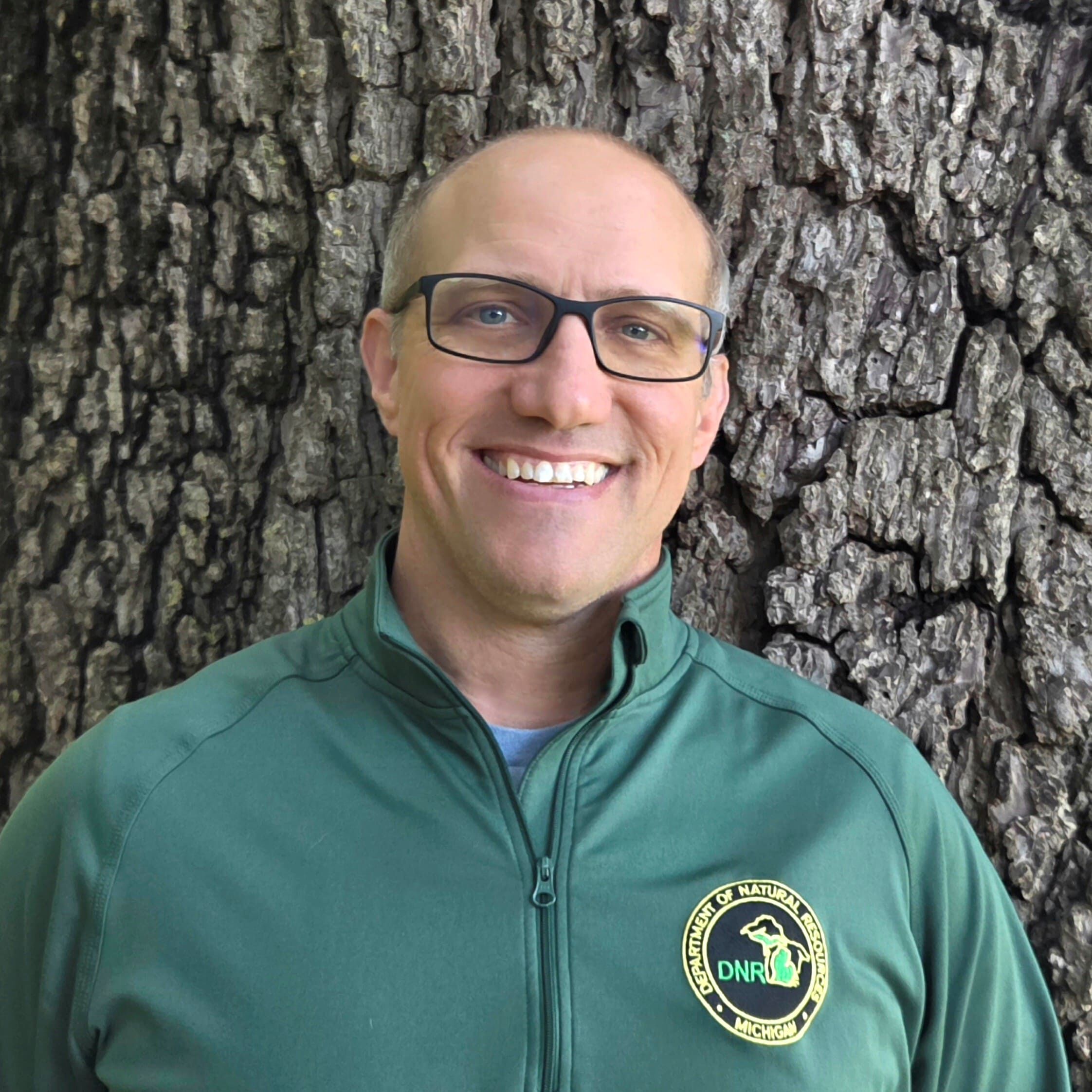
Jared Duquette
Human-Wildlife Interactions Specialist, Michigan DNR
Jared Duquette is the Human-Wildlife Interactions Specialist for the Michigan Department of Natural Resources. He holds a Ph.D. in wildlife ecology and management and has over 25 years of experience in applied research, project management, and administration. Jared has led and collaborated on projects with a broad array of federal, state and tribal governments, NGOs and communities across the US and internationally.

Josh Shields
Forestry Assistance Program (FAP) Forester, Mason-Lake Conservation District
Josh’s work experience includes forest inventory and timber sales, invasive species management, vegetation surveys in forests and prairies, wildlife surveys and monitoring, stream monitoring, habitat management plans, research, and education. He has worked as a Forestry Assistance Program forester for the Manistee and Mason-Lake Conservation Districts since 2014. He received a B.S. in Applied Ecology and Environmental Science and M.S. in Forest Ecology and Management (both from Michigan Technological University), as well as a Ph.D. in Forestry from Purdue University.
Josh is a Certified Forester with the Society of American Foresters, Certified Wildlife Biologist with The Wildlife Society, Certified Arborist and Tree Risk Assessment Qualified with the International Society of Arboriculture, Certified Inspector in the American Tree Farm System, Certified Commercial Pesticide Applicator, Certified Michigan Natural Shoreline Professional, and Certified Wild-Foraged Mushroom Expert in Michigan.
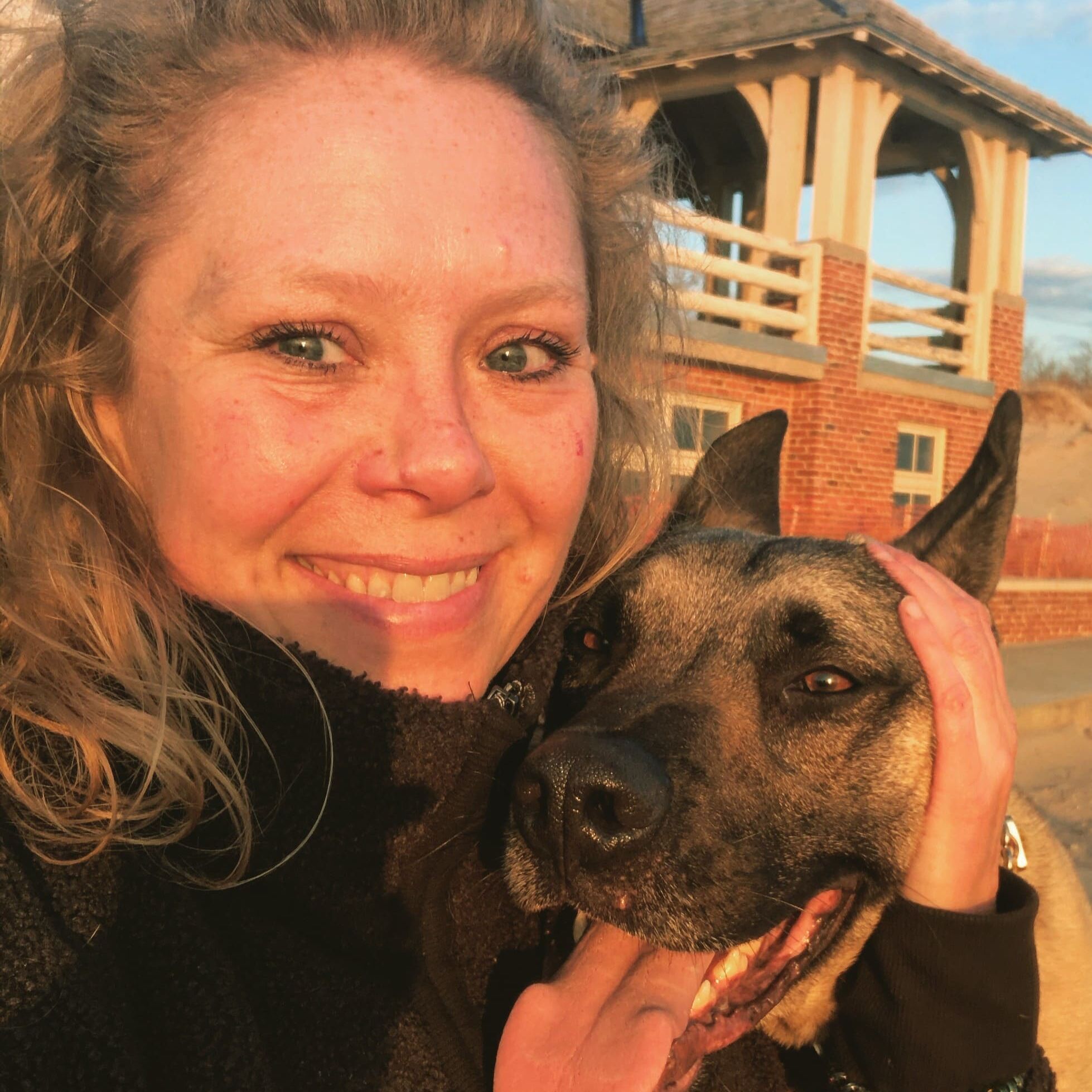
Hannah Ashmore
Lead Trainer, longsnouts
Driven by a passion for both dogs and the outdoors, Hannah serves as a bridge between the science of canine training, particularly their olfactory skills, and the scientific community’s search for innovative field solutions. While not the first to establish conservation detection dog teams in Michigan, she is among the state's strongest advocates for expanding their use in ecological research and invasive species management. She is also the first to develop a Citizen Science conservation detection program, partnering with community members and their dogs to more quickly scale-up conservation support. She is committed to expanding the presence of conservation detection dogs in the Midwest.
Through dogs in general, and specifically The Wildlings - Hannah’s four dogs, she brings together science-based training methodology, specialized canine working capacity, and a shared focus on purposeful field deployment. Hannah has been deeply immersed in the study and practice of dog training since beginning her apprenticeship in New York City in 2006. A large part of her’ work centers on refining and responsibly applying dogs’ exceptional olfactory abilities to support conservation, research, and ecological resilience. All while having a heck of a lot of fun!
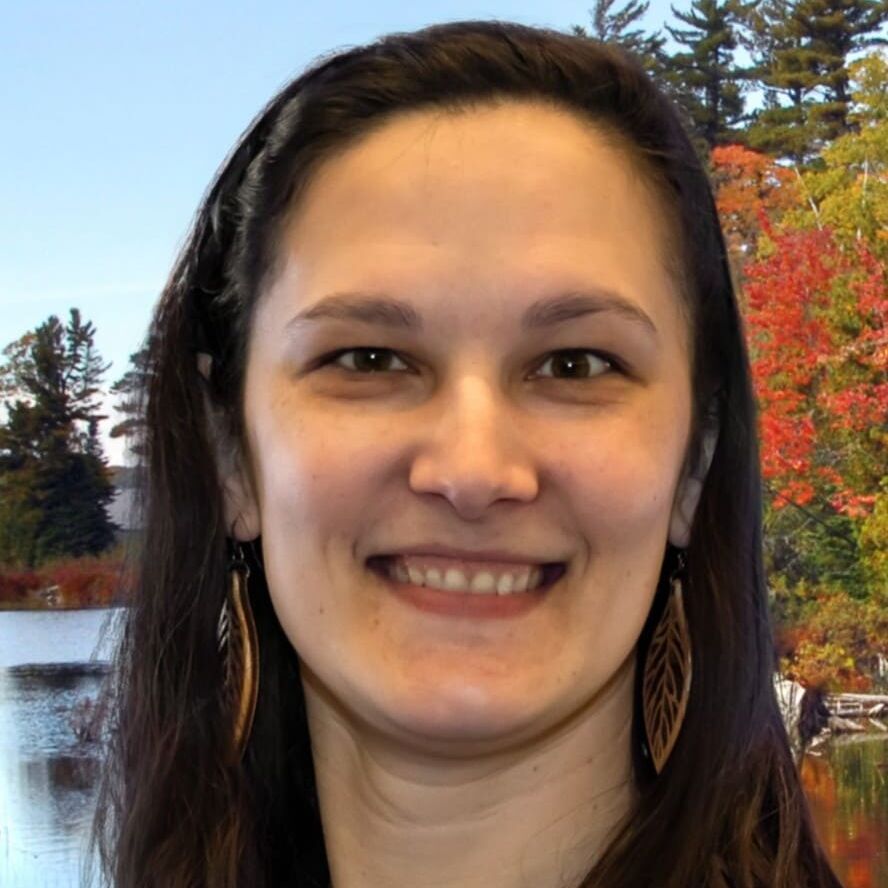
Katie Grzesiak
Terrestrial Invasive Species Coordinator, Michigan DNR
Grzesiak has been addressing and managing invasive species-related issues since 2008. She earned a bachelor's and Master's in terrestrial ecosystems, then spent nine years leading the Northwest Michigan Invasive Species Network, a Cooperative Invasive Species Management Area. In 2022, Grzesiak joined the Michigan DNR and Michigan Invasive Species Program as the Terrestrial Invasive Species Coordinator, where she works to strengthen invasive species management efforts throughout the state.
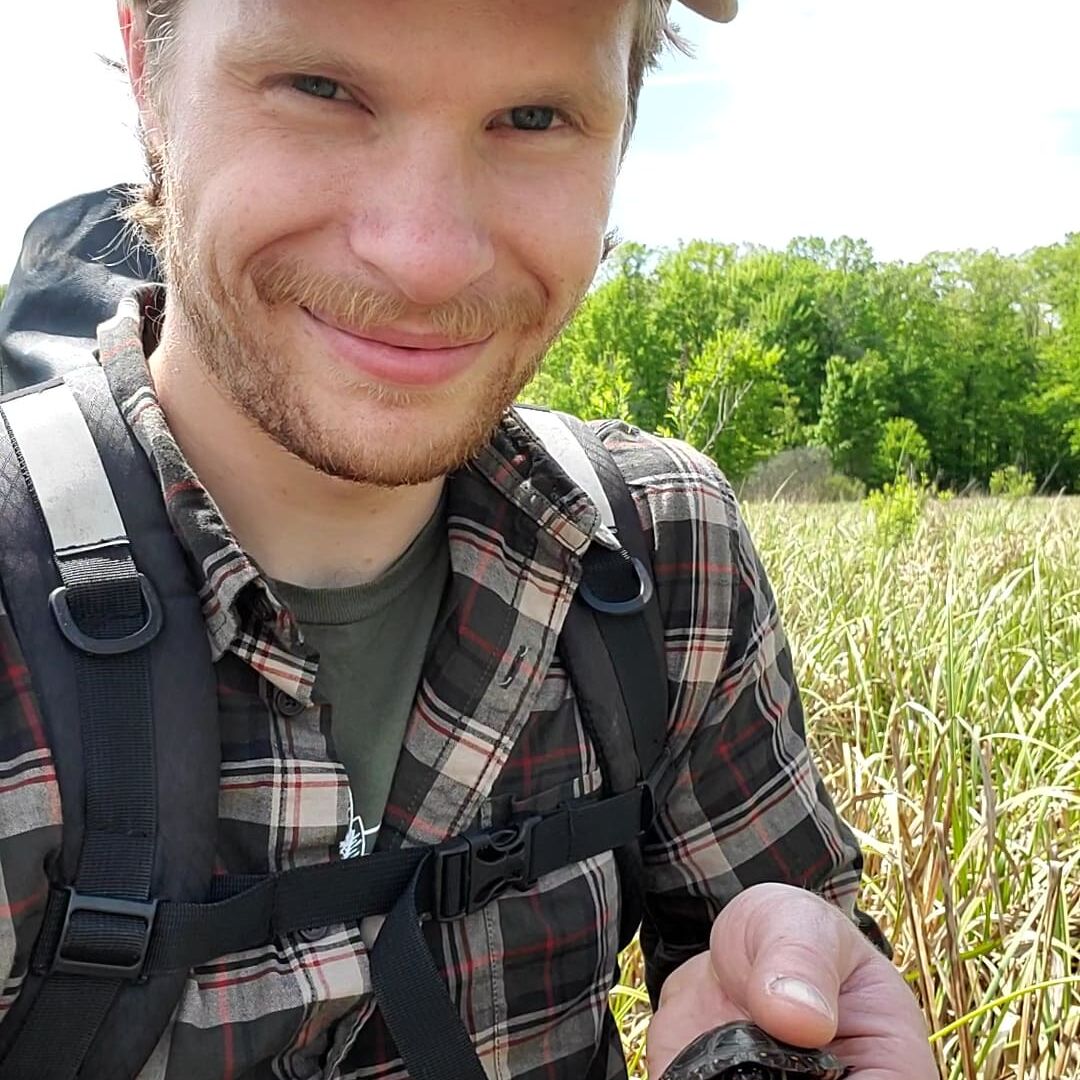
Ryan Wilemski
Habitat Conservation Professional, Kent CD
Ryan Wilemski is a habitat conservation professional specializing in invasive species management and habitat restoration. He brings experience with the U.S. Forest Service in northwest Montana, Oakland County Parks, and the Michigan Department of Natural Resources Forest Health Crew.For the past five years, Ryan has led the Kent Invasive Species and Habitat Restoration Team, coordinating conservation projects and supporting field staff across a diverse landscape of public and private lands. His work brings together local governments, parks, landowners, and conservation partners to restore habitats and protect threatened ecosystems and wildlife. Most notably, he has implemented landscape scale restoration projects on state land under the Wildlife Habitat Grant program. These grants have allowed Kent Conservation District to act as a local partner to Michigan Department of Natural Resources in protecting threatened ecosystems and wildlife species.
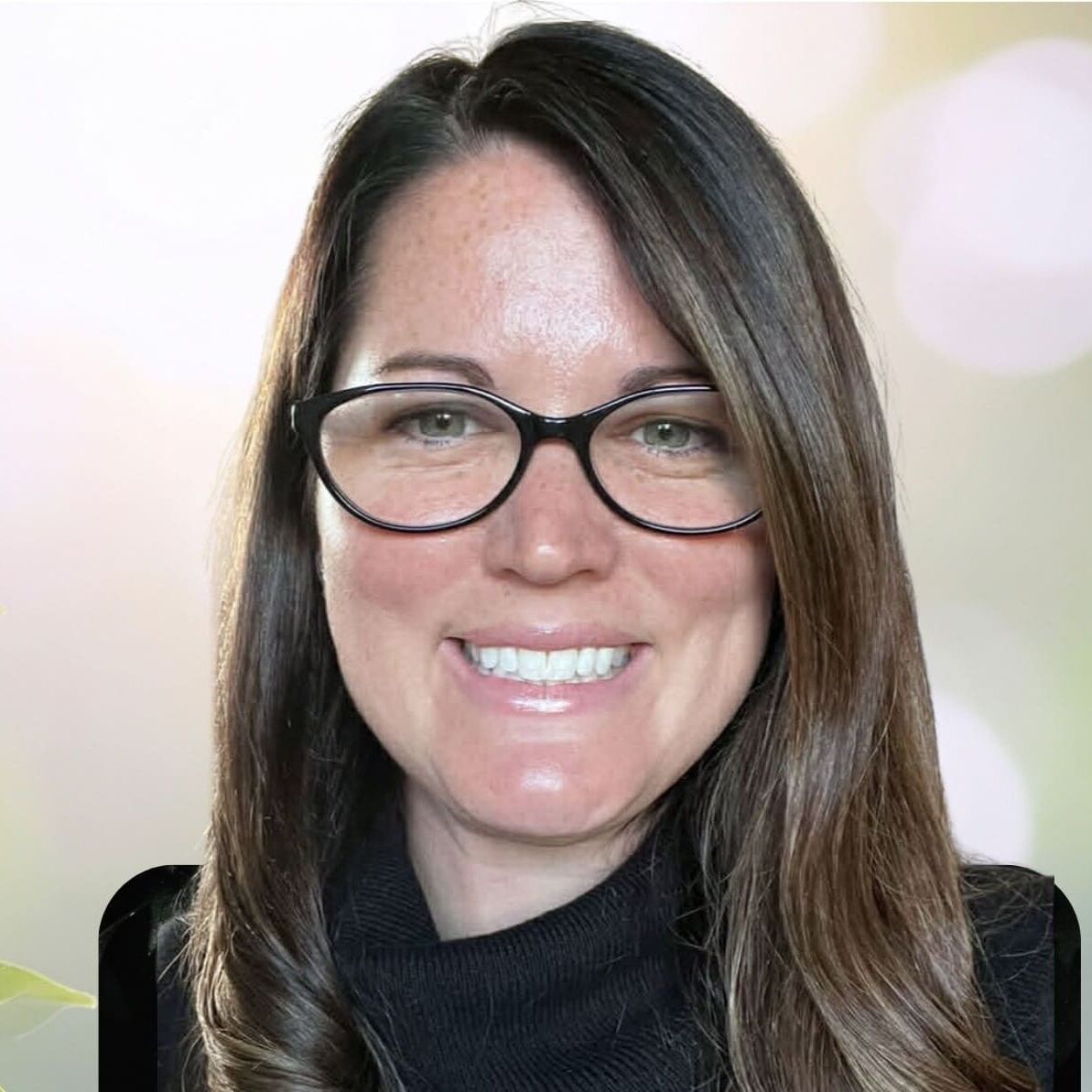
Stephanie Dood
Executive Director, Newaygo Conservation District
Stephanie Dood serves as the Executive Director of the Newaygo Conservation District, where she brings a strong background in education, leadership, and grant development. Prior to joining the District, Stephanie spent 15 years as a special education teacher and administrator, dedicated to supporting student success and organizational growth.
Stephanie holds a master's degree in Grant Writing, Management, and Evaluation, and first connected with the Newaygo Conservation District while helping the organization secure funding for its educational programming through successful grant-writing efforts. Her passion for community impact and conservation led her to join the District as Development Director in July 2025. Following her success in advancing the organization's mission and fundraising efforts, she transitioned into the role of Executive Director in November 2025.
Outside of her professional work, Stephanie enjoys reading, planting and harvesting from her herb garden, and spending time with her family. She and her husband of 17 years proudly support their two sons, ages 12 and 15, in their baseball pursuits and other activities.
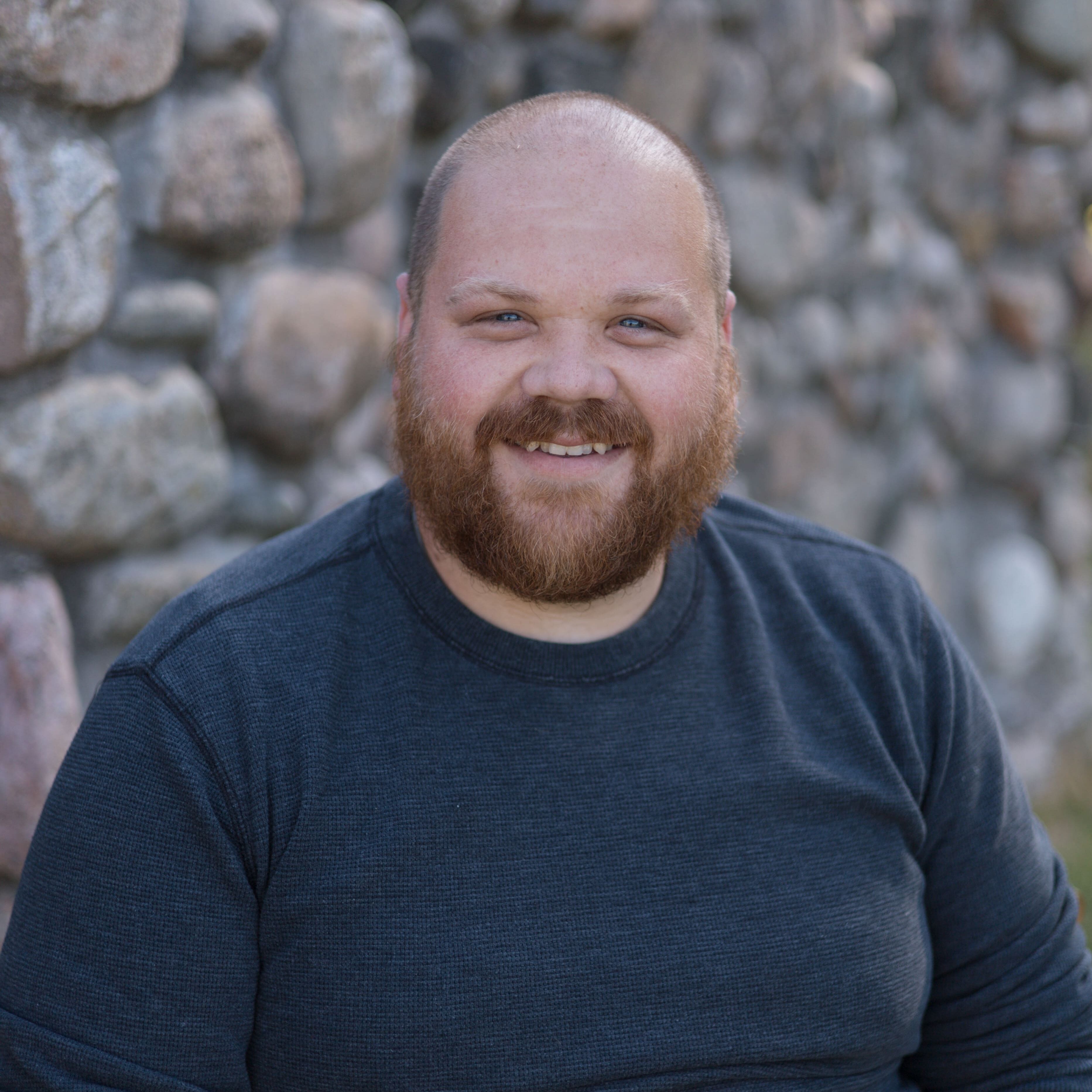
Gabriel Francisco
Livestock & Grazing Consultant, Thunderfoot Farms
Gabriel Francisco runs Thunderfoot Farms the first Certified Naturally Grown Livestock farm in the state of Michigan and is a Livestock and Grazing consultant based out of Van Buren County. Last year Gabriel had the honor to speak at the League of Conservation Voters Annual Farmers Roundtable in Washington DC were he also had the honor to testify in front of the House Agriculture Committee in support of small independent family livestock farms.
At Thunderfoot Farms Gabriel and his wife Emily raise over 11 different sheep breeds, as well as many other things, all registered within their own breed registries and their farm is often used as a teaching farm for New Beginning Farmers interested in livestock production on their own farms and are considering which type or breed of livestock to get for their own farms or how to best set up their own grazing plans to meet their regenerative farming goals.
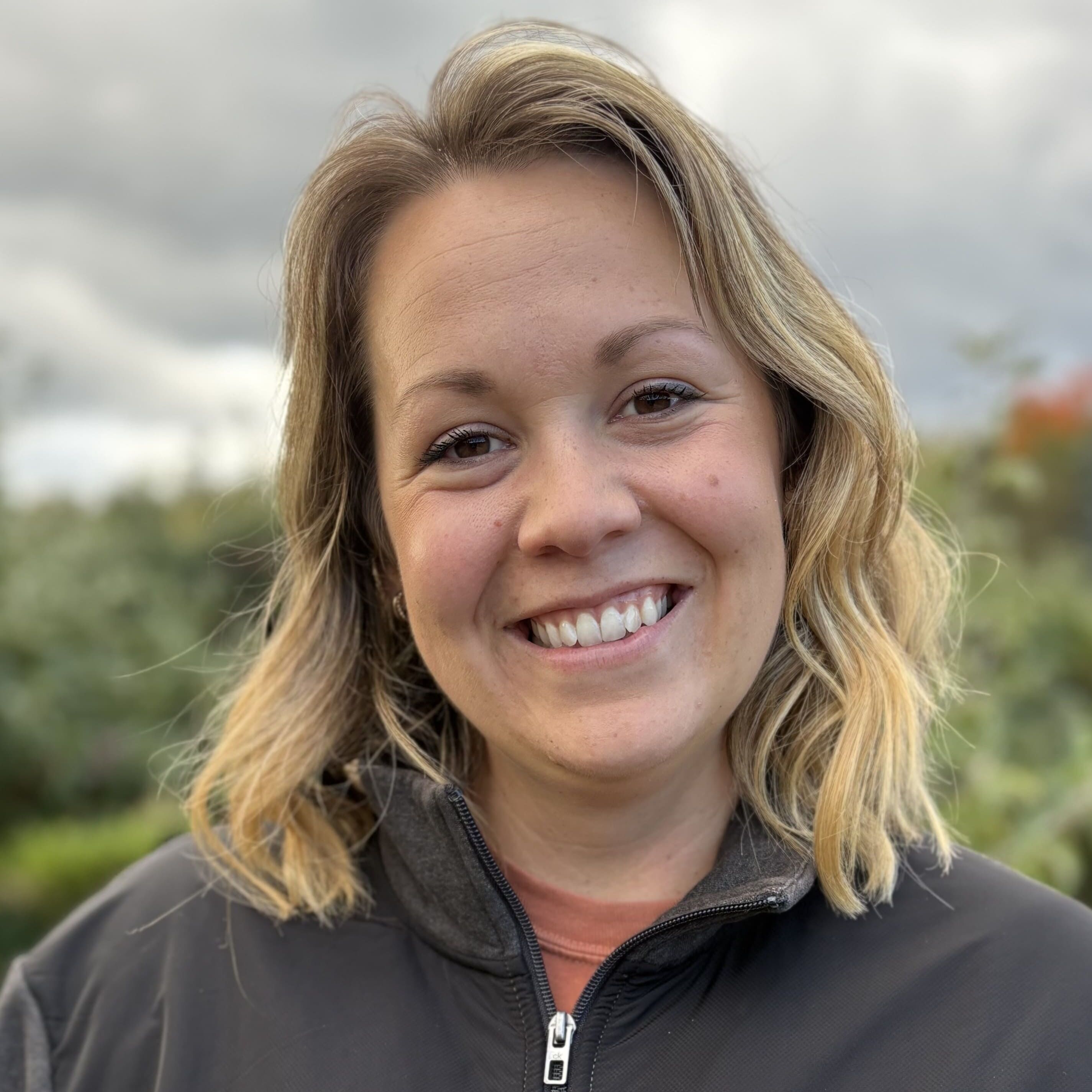
Hilary McLennan
District Manager, Presque Isle Conservation District
Hilary McLennan is a community-minded business leader and conservation advocate dedicated to creating meaningful connections between people, nature, and the places they call home. With a background in business management, human resources, and finance, Hilary brings a unique combination of organizational, entrepreneurial, and community-building experience to her conservation work.
Through her involvement in local conservation initiatives, Hilary has helped develop creative programming that makes conservation accessible and engaging for people of all ages. Her interests include environmental education, parks and trails, native plants and pollinators, youth engagement, community events, and finding innovative ways to bring conservation into everyday community life.
Hilary believes conservation is most successful when people feel connected to it—and that connection can begin with something as simple as a walk in the woods, planting a native flower, learning the story of a local tree, or gathering with neighbors to care for a shared space.
Dr. Laura Kenefic
Research Forester & Team Leader
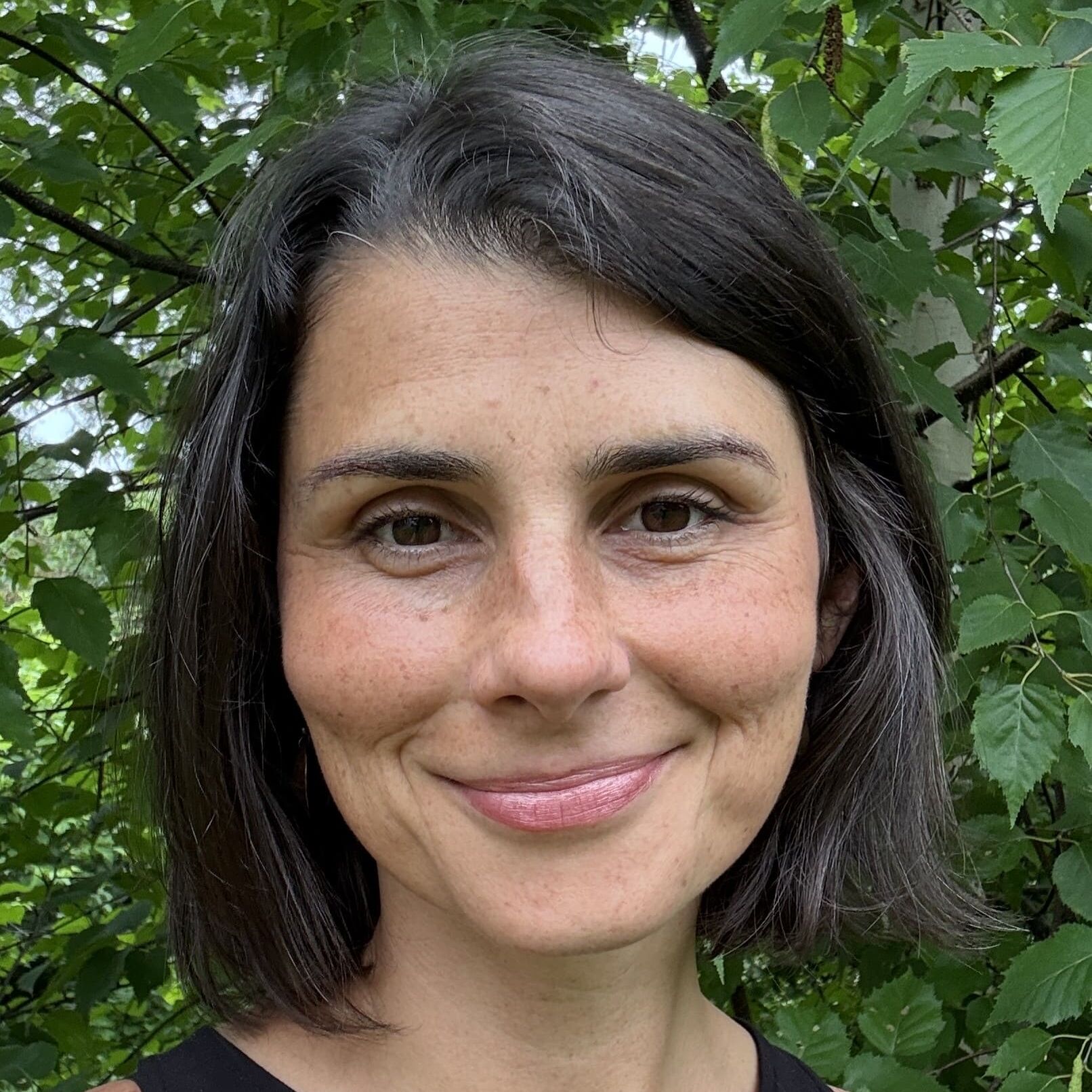
Dr. Kenefic is a research forester and team leader with the U.S. Forest Service, Northern Research Station in Maine. She has been with the Forest Service for over 30 years and is lead scientist at the Penobscot Experimental Forest. She studies issues of forest management and sustainability in the Northeast and Lakes States, as well as workforce demographics and experiences of people engaged in natural resource management.
Dr. Robin Clark
Founder, Megwayaak LLC
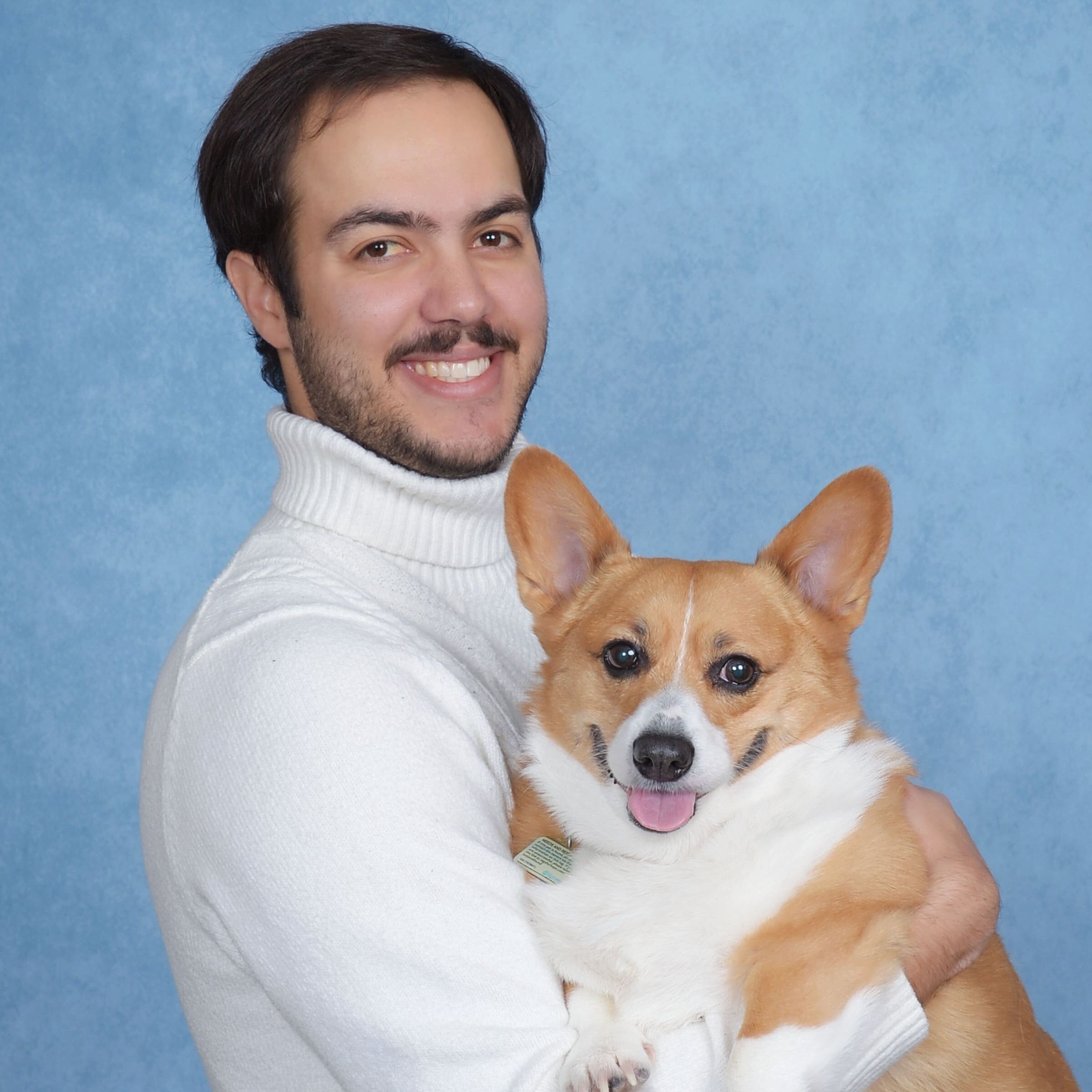
Dr. Robin Michigiizhigookwe Clark is a forest ecologist, who works with Ojibwe and Western knowledge systems to advance community-driven ecological stewardship and health equity. She earned a Master’s from Michigan State University and a doctorate in Forest Science from Michigan Technological University. Robin is the founding owner of Megwayaak, LLC, an Ojibwe ecology research and restoration firm.
Lawrence Law
MDNR Urban Forestry and Partnership Coordinator
MDNR Urban Forestry and Partnership Coordinator based in southeast Michigan, graduate of MSU Forestry.
Alison Bressler
Program Manager, Western Lake Erie Basin Advisory Group
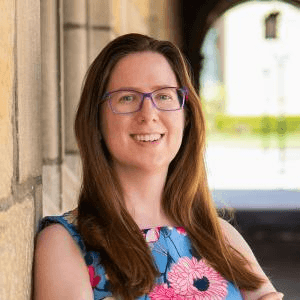
Alison Bressler is the program manager for the Western Lake Erie Basin Advisory Group and is based at the University of Michigan Water Center. She facilitates and evaluates outreach and engagement efforts between the state and the Advisory Group.
Adam Reimer is an Outreach and Evaluation Scientist at the National Wildlife Federation. Adam studies conservation behavior change, supporting and evaluating sustainable agriculture and outreach programs.

Bhavya Yaddanapudi
Research Assistant, University of Michigan
Dr. Emily J. Silver
Associate Professor of Silviculture, Michigan State University
Dr. Emily J. Silver is an Associate Professor, Associate Chair, and Director of Graduate Studies at Michigan State University in the Department of Forestry. Dr. Silver earned her M.S in Natural Resources Science and Management from the University of Minnesota and her Ph.D. in Forestry from the University of Maine. She researches topics like agroforestry, family forest owners, wildfire social acceptability, knowledge co-production, wood-based bioenergy, mass timber, and biochar. She also has an Extension appointment and is passionate about helping Michigan citizens with natural resource concerns and questions. At MSU, she teaches Human Dimensions of Forestry and has taught Natural Resource Policy and Agroforestry. Prior to joining the faculty at MSU, Dr. Silver worked for the USDA Forest Service’s Northern Research Station as a Research Forester. Dr. Silver is also serving as the Co Editor-in-Chief of the scientific journal Society & Natural Resources, as president of the Michigan Forest Association, and serves on the board of the U.S. Biochar Initiative and the Society of American Forester’s Forest Science and Technology committee.
Kyle McCarty
GAAMPs and GAPPs Specialist, Right to Farm Program
Kyle McCarty serves as the Right to Farm Program’s GAAMPs and GAPPs Specialist who oversees and facilitates the GAAMPs Advisory Committees. He has previously served as a field inspector for the Greater Thumb and Saginaw Bay area, and has been with MDARD for approximately 9 years. Kyle also previously worked as a MAEAP Technician & CTAI Technician at the Blue Water CD for approximately 5 years. Right to Farm Field staff members respond to nuisance and environmental-based complaints on farm operations of all types and sizes. Kyle is a graduate of Saginaw Valley State University and grew up on a multi-generational family farm.
Frank J. Sapio
Chair, Presque Isle Conservation District
Chairperson, Presque Isle Conservation District. Frank is a retired 40 year natural resources professional that held leadership positions in both the Michigan Department of Natural Resources and the US Forest Service, State and Private Forestry. Frank's final assignment was Assistant Director of Forest Health Protection in charge of Forest Health Technology Development.
Abby Smith
State Agronomist, NRCS
Abby Smith Is the State Agronomist for the Natural Resources Conservation Service (NRCS). Through her career, Abby has worked in field offices throughout Michigan providing support to producers implementing conservation plans on their operations, as a program coordinator responsible for implementation of conservation programs and currently as the State Agronomist providing support to the field offices for agronomic practices.
Nate Engle
Deputy Director, MDARD
Nate Engle serves as the Deputy Director for MDARD, engaging all types of departmental stakeholders, striving to help state government listen, synthesize information, problem-solve, and continually improve upon service delivery. He previously served in the immediate executive offices of two Michigan governors and a state representative.
Engle spent the better part of two decades abroad, most recently working in Madagascar where he designed, built, and operated a chocolate factory and one of the global chocolate industry’s most innovate supply chain models. Engle also set up and implemented an agricultural extension system in South Sudan; managed several USAID-funded projects as a part of reconstruction efforts in Afghanistan for the International City/County Management Association (ICMA); and volunteered for two years an agriculture extension technician with the US Peace Corps in Madagascar.
Engle grew up on a 5th generation, small family farm in Michigan’s Osceola County. He earned a Master of Public Administration at Grand Valley State University, an undergraduate degree in urban and regional planning at Michigan State University and holds several technical and leadership certificates.
Karen Thurlow
District Administrator, Midland CD
15 years experience as a district manager/administrator. 40 years in business management. 15 years experience with NRCS TA and programs.
Kyle Mead
Regional Coordinator
Danielle Beard
Program Manager, Michigan Green Coommunities
Amy Freeman
Resource Conservationist, Genesee
Conservation District
Amy Freeman is a Resource Conservationist with the Genesee
Conservation District. She engages her passion for walking lightly on this
earth by working with small Farms and Urban Growers providing technical
assistance around building soil health, growing food and season extension
with the use of High Tunnels. Amy has worked in the field of composting,
increasing organic matter and sequestering carbon back into the soil, and
serves on several leadership boards: Edible Flint, the Michigan Organics
Council, Chapter Liaison to the United States Composting
Council/Compost Research and Education Foundation and the Creation
Care Commission of the Episcopal Church, Great Lakes Diocese. She
believes deeply in nutrient dense food production and the continuum of life
through the transformation of food scraps into the composting process and
back to the soil to grow again.
Mike Edwardson
Director of Farm-Based Programs
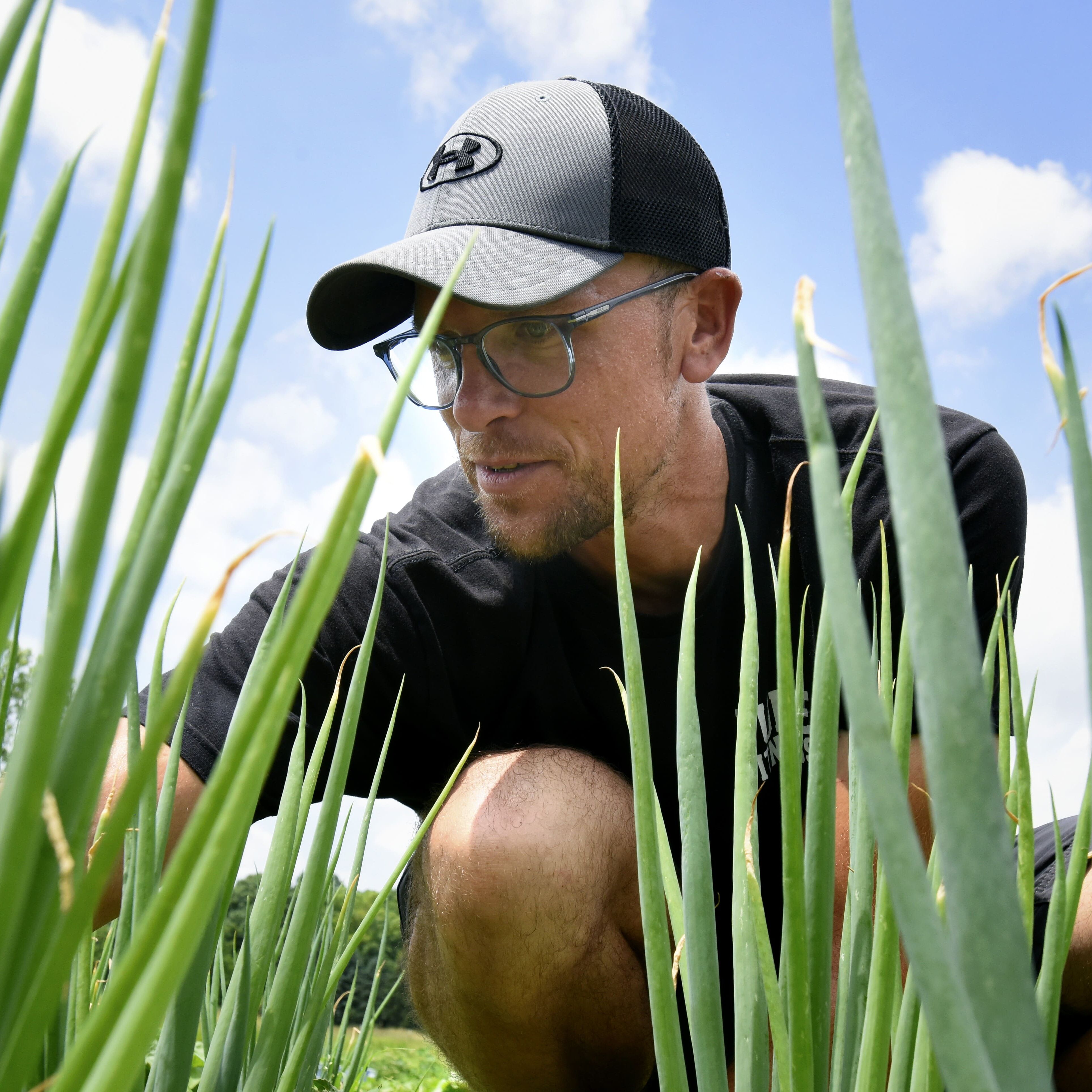
Mike Edwardson (he/him) is the co-founder and co-director of Plainsong Farm & Ministry. Mike’s diverse background and experiences - coaching, small-scale farming, pastoral ministry, environmental education, facilities maintenance- serve to support the wide array of programs and activities happening at the Farm. Day-to-day, Mike can be found training volunteers and service corps fellows to manage farming operations, fundraising for the organization, and maintaining the facilities and grounds of the Farm.
Mike and his partner Bethany, have lived in the Rockford area for over 10 years and spend their time running after their three little girls on neverending adventures. Outside of work, Mike enjoys playing and coaching basketball, hiking and trail running, and enjoying a well-made cup of coffee.
Nicole Zacharda
Presenter Bio Coming Soon
Erica Rogers
Presenter Bio Coming Soon
Abram Jacobs
Presenter Bio Coming Soon
Stephen Brillinger
Presenter Bio Coming Soon
Thank You to Our 2026 Conference Sponsors
Huge thanks to our sponsors for supporting the 2026 MACD Annual Conference and making our work across Michigan possible!


